 By StretchToStrength.blog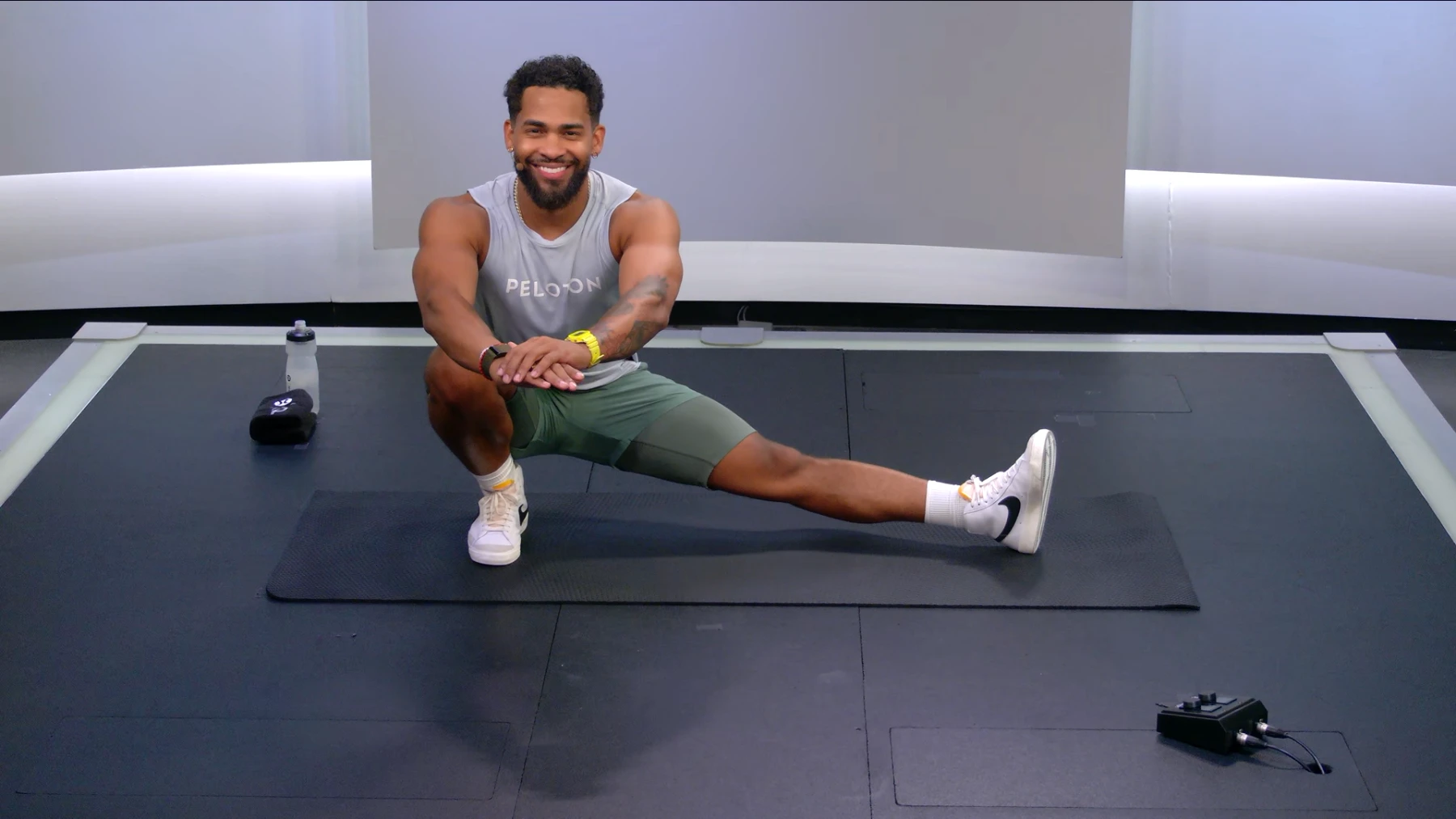
Introduction
A smart warm-up is the bridge between your daily life (stiff from sitting, cold from the commute) and the high-intensity demands of strength training. It primes your body and nervous system so you lift stronger, move safer, and get more out of every rep. A good warm-up is short, purposeful, and specific to the session that follows — not a random sweat session or a lazy stretch.
Why Warming Up Matters for Strength Training
Warming up raises body temperature, increases blood flow to working muscles, and prepares joints and connective tissue for load. That physiological prep translates to better force production, quicker movement, and improved technique — all of which matter when the goal is to lift heavy or train with progressive overload. On top of the physical benefits, warming up reduces injury risk and improves consistency over weeks and months.
Common Misconceptions About Warm-Ups
- “Static stretching is the best warm-up.” Static holds can temporarily reduce power if done immediately before heavy lifts. Dynamic, movement-based prep is usually superior.
- “If I’m short on time I can skip it.” Skipping may save minutes but increases injury risk and lowers performance; a focused 5–10 minute routine is usually worth it.
- “Sweating = good warm-up.” Sweating shows heat but not specificity. You want targeted activation and movement rehearsal, not just cardio.
- “A warm-up needs to be long to be effective.” Quality over length — 5–10 purposeful minutes often beat 20 unfocused minutes.
The Science Behind an Effective Warm-Up
Effective warm-ups change muscle and nervous-system behavior in ways that improve performance:
- Temperature effect: Warmer muscles have faster chemical reactions and lower stiffness, improving contraction speed and range.
- Neural readiness: The nervous system ramps up motor unit recruitment and firing rates, improving strength and coordination.
- Viscoelastic changes: Connective tissues become more pliable, decreasing strain during heavy lifts.
- Cardiovascular prep: Mild elevation in heart rate improves oxygen delivery and readiness for anaerobic work.
How Warm-Ups Improve Muscle Performance
Warm-ups increase the rate of force development and often allow you to reach higher peak force during initial reps. By increasing temperature and circulation, muscle fibers contract more quickly and efficiently. Combined with activation and rehearsal, warm-ups sharpen technique, which often yields better mechanical advantage and safer force application under load.
Nervous System Activation and Strength Output
The nervous system controls how many and how quickly muscle fibers fire. A well-designed warm-up includes drills that:
- Increase motor unit recruitment (e.g., explosive bodyweight moves or fast tempo activation),
- Improve intermuscular coordination (patterning the exact movement), and
- Create short-term potentiation (small, specific efforts that temporarily raise subsequent strength output).
This is why ramp sets, contrast moves, or quick plyometrics can meaningfully boost your lifting performance when used appropriately.
Injury Prevention and Joint Protection
Warm-ups reduce injury risk by:
- Raising tissue temperature and elasticity, making muscles and tendons less brittle;
- Increasing joint synovial fluid and lubrication for smoother movement;
- Correcting movement patterns early so poor mechanics don’t get loaded;
- Activating stabilizer muscles (e.g., rotator cuff, glutes) that protect joints under heavy load.
Note: warm-ups reduce risk but don’t remove it — progressive loading, technique, and recovery still matter.
Goals of a Strength Training Warm-Up
A strength warm-up should achieve these four things:
- Raise systemic readiness (heart rate, body temperature).
- Improve mobility and joint range needed for lifts.
- Activate the primary and stabilizing muscles you’ll use.
- Mentally prepare you — focus, cueing, and movement rehearsal.
Increasing Blood Flow and Body Temperature
Start with low-intensity cardio for 3–5 minutes (bike, brisk row, jog, jump rope) or movement that raises heart rate gradually. The aim is modest: you want light warmth and slight sweat, not fatigue. This increases capillary perfusion and makes muscles more responsive to contract.
Enhancing Mobility and Range of Motion
Follow cardio with dynamic mobility work targeted to the lifts you’ll do: leg swings, hip circles, thoracic rotations, walking lunges, shoulder pass-throughs. Use controlled, moving stretches through the required range rather than long static holds. Mobility should enable full, pain-free movement for your working sets.
Activating Key Muscle Groups
Use activation drills to “wake up” the muscles that need to produce and control force:
- Glute bridges or banded monster walks for posterior chain/glutes.
- Band pull-aparts, scapular retractions for upper back and shoulders.
- Bird-dogs or dead-bugs for core stability.
Do 1–3 sets of 8–15 reps — enough to feel the muscle working, but not so much that it fatigues.
Improving Focus and Mind-Muscle Connection
Finish the warm-up with movement-specific rehearsal: light technique sets, tempo reps, or a focused set at ~40–60% of working load. Use this time to dial in posture, breathing, and the cues you’ll use during heavy sets (e.g., “brace core, drive through heels, tight upper back”). Great warm-ups align body and brain — when you’re mentally ready, lifts are cleaner and more powerful.
Components of the Perfect Warm-Up
A strong warm-up for strength training is not random movement—it’s a carefully structured sequence designed to prepare your body, nervous system, and mind for heavy lifting. It consists of four main components, each serving a specific purpose. When combined in the right order, they maximize performance and minimize injury risk.
General Warm-Up
The general warm-up is the first step and focuses on gradually increasing your heart rate and overall body temperature. This can include light cardio such as brisk walking, jogging, rowing, cycling, or jump rope for 3–5 minutes. The goal is not to tire yourself but to enhance blood flow, making muscles and joints more pliable. This stage also begins the neurological process of “priming” your body for movement, which improves coordination and alertness.
Dynamic Mobility Drills
Dynamic mobility drills follow the general warm-up and aim to improve joint range of motion while maintaining movement. Unlike static stretching, these exercises involve controlled motion, which helps lubricate joints and activate stabilizing muscles. Examples include:
- Leg swings: Front-to-back and side-to-side for hip mobility.
- Hip circles: Mobilize the hip capsule and increase rotational flexibility.
- Arm circles and shoulder pass-throughs: Improve shoulder mobility and posture.
- Thoracic rotations: Open up the upper back for better posture and lifting mechanics.
Dynamic mobility is particularly important because it not only increases movement capacity but also reinforces correct movement patterns before heavy loads are applied.
Muscle Activation Exercises
Muscle activation exercises “wake up” key muscles that will be heavily involved in your workout. This ensures they fire properly during lifts, enhancing strength output and protecting joints. Activation exercises can include:
- Glute bridges or banded monster walks: Target glutes and hamstrings to stabilize the lower body.
- Band pull-aparts or scapular retractions: Activate upper back and shoulder stabilizers for pressing and pulling movements.
- Bird-dogs and dead-bugs: Strengthen core muscles and improve spinal stability.
Typically, 1–3 sets of 8–15 reps per exercise is sufficient. The key is to feel the muscles working without creating fatigue that could impair your main lifts.
Movement-Specific Preparation
The final component is preparing for the exact exercises you’ll perform. This involves light, low-resistance versions of the movements you’ll do in your workout, often called “ramp sets” or “technical sets.” For example:
- Squats: 1–2 sets with just the bar or very light weight.
- Bench Press: 1–2 sets at 40–60% of your working weight.
- Deadlifts: Gradual build-up sets focusing on perfect form.
This step helps the nervous system refine movement patterns, increases confidence in the lift, and primes the specific muscles needed for maximum performance.
Step-by-Step Perfect Warm-Up Routine
Phase 1: Light Cardio (3–5 Minutes)
Begin with any low-intensity activity to raise heart rate and increase blood flow. This prepares muscles and joints for more dynamic movements.
Phase 2: Dynamic Stretching and Mobility
Follow cardio with 5–7 minutes of dynamic stretches targeting the joints and muscles you’ll use. Include leg swings, hip circles, shoulder rotations, and thoracic twists to improve flexibility, range of motion, and joint lubrication.
Phase 3: Activation Exercises
Perform targeted exercises to engage stabilizing and prime movers. Use resistance bands, bodyweight exercises, or light weights. Focus on glutes, core, back, and shoulders, depending on your workout. This phase ensures key muscles are firing efficiently.
Phase 4: Exercise-Specific Warm-Up Sets
Finish with light sets of your main lifts, gradually increasing the weight while keeping form perfect. This reinforces technique, prepares the nervous system, and ensures your body is fully ready for the demands of heavy lifting.
Warm-Up Exercises for Major Muscle Groups
Upper Body Warm-Up (Shoulders, Chest, Back, Arms)
- Band pull-aparts or face pulls to engage rear delts and upper back.
- Shoulder pass-throughs to improve mobility and prevent impingement.
- Push-ups or light dumbbell presses to activate chest and triceps.
Lower Body Warm-Up (Hips, Glutes, Quads, Hamstrings, Calves)
- Glute bridges or hip thrusts to wake up the posterior chain.
- Bodyweight squats or lunges to activate quads and hamstrings.
- Calf raises for ankle mobility and lower leg engagement.
Core Activation for Stability and Power
- Planks, dead-bugs, or bird-dogs to engage deep core muscles.
- Pallof presses to train anti-rotation strength for midline stability.
- Hollow holds or short abdominal bracing exercises to prime the torso for lifting.
A complete warm-up that follows these phases ensures that every muscle, joint, and movement pattern is prepared for performance. This not only maximizes your strength output but also builds a foundation for safe, consistent, and progressive training.
Common Warm-Up Mistakes to Avoid
A proper warm-up is essential for both performance and injury prevention, but many lifters fall into habits that undermine its benefits. Understanding and avoiding these mistakes ensures your warm-up truly prepares you for strength training.
Skipping the Warm-Up
One of the most common errors is skipping it entirely, often in the rush to start lifting. While it might save a few minutes, skipping a warm-up increases injury risk and decreases performance. Cold muscles contract less efficiently, and joints are less lubricated, making them more prone to strains, tears, or poor movement patterns. Even a short 5–10 minute warm-up can significantly enhance strength output, coordination, and focus.
Overstretching Before Lifting
Static stretching—holding a position for 20–60 seconds—before lifting can temporarily reduce muscle strength and power. Many beginners assume stretching will “loosen” them up, but overstretching can actually inhibit performance. Dynamic stretches and mobility drills, where joints move through their full range of motion under control, are far more effective before strength training. Save static stretches for after your workout during your cool-down.
Fatiguing Muscles Too Early
A warm-up should activate muscles, not tire them out. Performing high-rep exercises with heavy resistance before your main lifts can lead to pre-fatigue, reducing your strength and compromising form. For example, doing multiple sets of push-ups or squats to exhaustion before bench press or squats will limit your lifting capacity. Focus on low-load, controlled activation exercises that wake up the muscles without draining energy.
Using Random or Inconsistent Exercises
Some lifters approach warm-ups haphazardly, doing whatever movements feel “good” that day, without considering the muscles and joints they will use. Random warm-ups may increase heart rate but fail to prime the key muscles or practice the patterns required for your lifts. A structured, consistent warm-up—specific to your workout and following a logical sequence—ensures each joint and muscle group is prepared, your nervous system is engaged, and your body is ready for optimal performance.
By avoiding these mistakes—skipping, overstretching, pre-fatiguing, and using inconsistent exercises—you can make your warm-up a powerful tool that enhances strength, prevents injury, and ensures every lift counts.
Sample Warm-Up Routines
Having a structured warm-up routine makes it easier to consistently prepare your body for strength training. Here are practical examples you can follow, whether you’re short on time or doing a full gym session.
5-Minute Quick Warm-Up
Ideal for days when you’re in a rush or have limited space, this routine focuses on general readiness and light activation:
- Light Cardio (1–2 minutes) – Jump rope, brisk walking, or jogging in place.
- Dynamic Mobility (2 minutes) – Leg swings, arm circles, hip rotations.
- Activation (1–2 minutes) – Bodyweight glute bridges, band pull-aparts, or shoulder taps.
- Movement Rehearsal (optional, 30–60 seconds) – Light air squats or push-ups to cue form.
Even a short routine like this increases blood flow, primes key muscles, and improves focus for your main lifts.
10-Minute Complete Strength Warm-Up
For heavier lifting or more intense sessions, a longer, structured warm-up ensures every muscle group and joint is ready:
- Phase 1: Light Cardio (3–4 minutes) – Rowing, jogging, or cycling to increase heart rate and circulation.
- Phase 2: Dynamic Mobility (3 minutes) – Hip circles, thoracic twists, shoulder pass-throughs, walking lunges.
- Phase 3: Muscle Activation (2–3 minutes) – Glute bridges, banded monster walks, scapular retractions, bird-dogs.
- Phase 4: Exercise-Specific Rehearsal (1–2 minutes) – Ramp sets or light versions of planned lifts (squats, bench press, deadlifts).
This routine systematically prepares your body for optimal performance, improves technique, and reduces the risk of injury.
Gym vs. Home Warm-Up Options
- Gym: Use equipment like rowing machines, kettlebells, resistance bands, and dumbbells to enhance activation and rehearse heavier movements.
- Home: Bodyweight exercises, bands, and small dumbbells can replicate most warm-up components. Focus on mobility, core activation, and bodyweight movement patterns.
Even without machines, you can effectively warm up all major muscle groups and prime your nervous system for lifting.
Frequently Asked Questions
Can You Skip a Warm-Up If You’re Short on Time?
Skipping is not recommended. Even 5 minutes of targeted warm-up improves performance and reduces injury risk. Quick routines can be highly effective when structured.
Should Warm-Ups Change Every Workout?
Warm-ups should be tailored to the session’s focus and the muscles involved. While the general structure can remain consistent, activation and movement rehearsal should reflect the exercises planned for that day.
Is Foam Rolling Necessary Before Lifting?
Foam rolling can help relieve muscle tightness and increase blood flow, but it is optional. Dynamic movement and activation exercises are more effective for preparing muscles for strength work.
Conclusion
Making Warm-Ups a Non-Negotiable Habit
Consistently performing a structured warm-up sets the tone for every training session. It prepares your body, primes your nervous system, and ensures each lift is executed with optimal technique and safety.
Long-Term Benefits for Strength, Performance, and Injury Prevention
Regular warm-ups:
- Enhance strength output and movement efficiency.
- Reduce the likelihood of injuries, strains, and joint issues.
- Improve training consistency and long-term performance gains.
By committing to a well-planned warm-up routine—whether 5 minutes or 10—you build a foundation that supports progress, safety, and longevity in strength training.