 By StretchToStrength.blog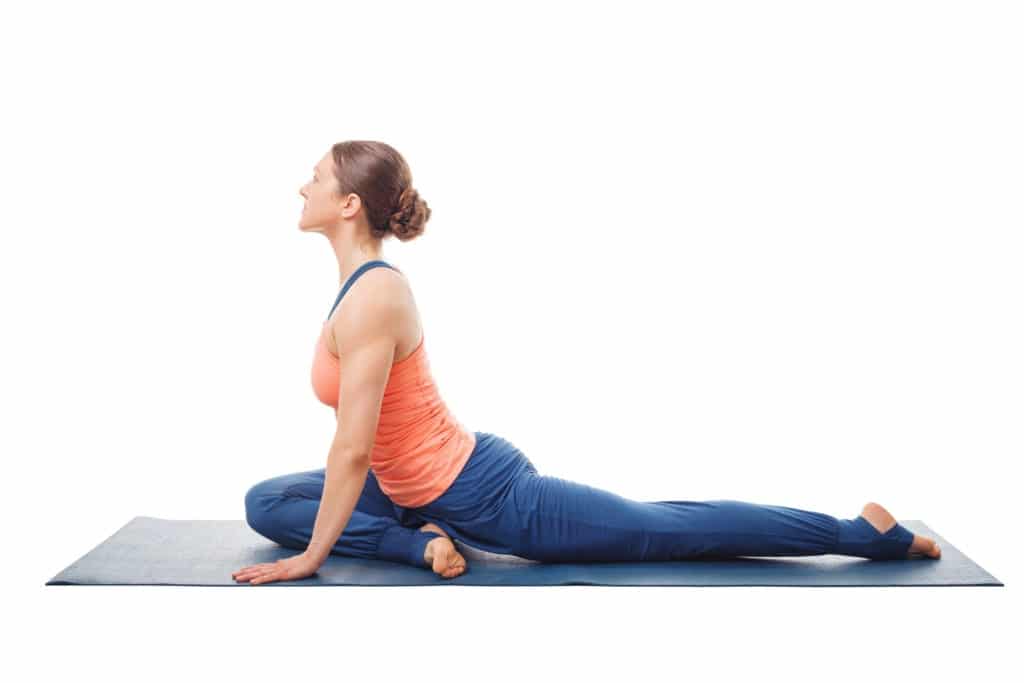
Introduction
Why Sciatic Pain Needs the Right Approach
Sciatic pain is different from typical muscle soreness or joint stiffness. It involves irritation or compression of the sciatic nerve—the largest nerve in the body—which runs from the lower back through the hips and down each leg. Because nerves are sensitive tissues, aggressive stretching or random exercises can easily make symptoms worse instead of better. A thoughtful, structured approach is essential to reduce pain, calm nerve irritation, and support long-term recovery rather than chasing quick relief.
Many people try to “stretch the pain away,” but sciatica often requires more precision. The goal is not to force flexibility, but to reduce tension around the nerve, improve movement where restriction exists, and avoid positions that increase nerve stress. Understanding why and how to stretch makes the difference between progress and setbacks.
Stretching vs. Strengthening for Nerve Relief
Stretching and strengthening serve different but complementary roles in sciatica relief. Stretching helps reduce muscle tension that may be compressing or irritating the sciatic nerve—particularly in areas like the hips, glutes, and hamstrings. When done gently and correctly, stretching can improve comfort and mobility.
However, stretching alone is rarely enough. Strengthening—especially of the core, hips, and glutes—helps stabilize the spine and pelvis, reducing repeated stress on the nerve. Weak support muscles often contribute to poor posture and faulty movement patterns, which can keep sciatic symptoms coming back. The most effective approach balances gentle stretching for short-term relief with strengthening for long-term protection.
Understanding Sciatica
What Sciatica Is (and What It Isn’t)
Sciatica is not a diagnosis itself but a set of symptoms caused by irritation of the sciatic nerve. These symptoms often include sharp or burning pain, tingling, numbness, or electric-like sensations that travel from the lower back or hip down the leg. It usually affects one side of the body.
Sciatica is not the same as general lower back pain or muscle tightness. While muscles may contribute to nerve irritation, the nerve itself is the source of the symptoms. Treating sciatica as “just tight muscles” can lead to ineffective or even harmful exercise choices.
Common Causes of Sciatic Nerve Pain
Sciatic nerve irritation can come from several sources, including:
- Herniated or bulging discs
- Spinal stenosis (narrowing of the spinal canal)
- Piriformis muscle tightness or spasm
- Prolonged sitting and poor posture
- Weak core and hip muscles
- Sudden increases in physical activity
Understanding the likely cause helps guide safer movement choices. For example, someone with disc-related sciatica may respond better to extension-based movements, while someone with piriformis-related sciatica may benefit more from hip-focused stretches.
Why Stretching Can Help — or Make It Worse
Stretching can help sciatica when it reduces tension around the nerve without directly pulling on it. Gentle hip and glute stretches often create more space for the nerve and improve comfort.
However, stretching can make sciatica worse if it aggressively tensions the nerve itself—especially long-held hamstring stretches, toe-touching, or forceful forward bends. These movements increase nerve tension and may intensify symptoms such as tingling or shooting pain. The key is choosing nerve-friendly stretches and staying within a pain-free or symptom-reducing range.
Before You Start: Safety Guidelines
Who Should Avoid Stretching for Sciatica
Not everyone should stretch when dealing with sciatic pain. You should avoid or delay stretching if you experience:
- Severe or rapidly worsening pain
- Progressive numbness or weakness in the leg or foot
- Loss of bowel or bladder control
- Pain that intensifies immediately with gentle movement
These signs may indicate a more serious condition that requires professional medical evaluation before exercise.
Pain vs. Nerve Symptoms: Knowing the Difference
Muscle stretching may feel mildly uncomfortable, tight, or warm—but nerve irritation feels sharp, burning, tingling, or electric. If a stretch causes symptoms to travel further down the leg, increase numbness, or linger after stopping, it is likely irritating the nerve and should be avoided. Effective stretches often reduce symptoms or keep them localized rather than spreading.
How to Stretch Without Irritating the Nerve
To stretch safely with sciatica:
- Move slowly and deliberately
- Stop before pain, not through it
- Use shorter hold times (10–30 seconds)
- Focus on breathing and relaxation
- Avoid bouncing or forcing range of motion
Stretching for sciatica should feel calming, not aggressive. When done correctly, it supports healing by reducing tension and restoring comfortable movement without provoking nerve symptoms.
The Best Stretches for Sciatica Relief
When done correctly, gentle stretching can help relieve tension around the sciatic nerve, improve mobility, and reduce discomfort. Below are some of the most effective stretches, including variations for different fitness levels and precautions to avoid aggravating the nerve.
1. Seated Piriformis Stretch
The piriformis muscle, located deep in the glutes, can irritate the sciatic nerve when tight.
How to do it:
- Sit on a chair with both feet flat on the floor.
- Cross the affected leg over the opposite knee, forming a “figure 4.”
- Gently lean forward from your hips until you feel a stretch in the glute of the crossed leg.
- Hold for 20–30 seconds while breathing deeply.
- Repeat 2–3 times on each side.
Tip: Keep your back straight and avoid rounding the spine. Stop if you feel sharp or radiating pain down the leg.
2. Figure-4 Stretch (Lying or Seated)
This variation allows for a deeper hip stretch and can be done lying on your back if sitting is uncomfortable.
How to do it lying down:
- Lie on your back with knees bent and feet flat on the floor.
- Cross the affected leg over the opposite knee.
- Reach through and gently pull the uncrossed thigh toward your chest.
- Hold 20–30 seconds, repeat 2–3 times.
Tip: Keep your head and shoulders relaxed. The stretch should be felt in the glutes, not the lower back.
3. Knee-to-Chest Stretch
This stretch targets the lower back and hips, helping relieve pressure on the sciatic nerve.
How to do it:
- Lie on your back with knees bent.
- Bring one knee toward your chest, holding it with both hands.
- Keep the opposite leg bent or extended comfortably on the floor.
- Hold for 20–30 seconds, repeat 2–3 times per leg.
Tip: Avoid forcing the knee too close to your chest. The goal is gentle tension, not pain.
4. Hamstring Stretch (Sciatic-Friendly Version)
Tight hamstrings can increase tension in the lower back and legs. A nerve-friendly hamstring stretch minimizes pulling on the sciatic nerve.
How to do it lying down with a strap:
- Lie on your back and loop a towel or yoga strap around the ball of one foot.
- Keep your knee slightly bent and gently lift the leg toward the ceiling.
- Stop when you feel a mild stretch in the back of your thigh.
- Hold 20–30 seconds, repeat 2–3 times per leg.
Tip: Avoid locking the knee or forcing the leg fully straight, which can aggravate sciatic symptoms.
5. Hip Flexor Stretch
Tight hip flexors from prolonged sitting can worsen sciatic pain by altering pelvic alignment.
How to do it in a lunge position:
- Step one foot forward into a low lunge, keeping the back knee on the ground.
- Gently shift hips forward while keeping the torso upright.
- Hold 20–30 seconds per side.
Tip: Keep the glutes relaxed and avoid overarching the lower back. Use a cushion under the knee for comfort.
6. Standing Back Extension (McKenzie-Style)
This extension-based stretch can relieve nerve compression in the lower back for certain types of sciatica.
How to do it:
- Stand with feet hip-width apart and hands on your lower back for support.
- Gently lean backward, keeping your knees soft and chest lifted.
- Hold 5–10 seconds, repeat 5–10 times.
Tip: Stop if the stretch increases leg pain or tingling. This is most helpful for disc-related sciatica, not piriformis tightness.
These stretches, when done gently and consistently, can help reduce sciatica discomfort and improve mobility. Pairing them with strengthening exercises for the core, glutes, and hips will provide the best long-term relief.
Common Mistakes That Worsen Sciatica
Stretching for sciatica can be highly effective—but only when done correctly. Many people unintentionally aggravate their symptoms by making common mistakes. Understanding these pitfalls helps protect the sciatic nerve and ensures your stretches provide relief rather than harm.
1. Overstretching the Hamstrings
Tight hamstrings are often blamed for lower back and leg discomfort, but aggressively forcing them can worsen sciatic pain. Overstretching increases tension along the hamstrings and can pull on the sciatic nerve, leading to sharp, radiating pain down the leg.
How to avoid it:
- Keep the knee slightly bent during hamstring stretches.
- Use a strap or towel to control the stretch.
- Stop when you feel gentle tension, not pain or tingling.
- Limit hold times to 20–30 seconds initially.
2. Forcing Range of Motion
Trying to push too far too fast is a common error. Forcing movements—whether it’s a deep forward fold, a hip rotation, or a back extension—can irritate the nerve, inflame muscles, or strain joints. The nerve responds best to slow, controlled movement within a comfortable range.
How to avoid it:
- Move slowly into each stretch, respecting your body’s limits.
- Avoid bouncing or jerking motions.
- Focus on small, incremental improvements over time.
- If a stretch produces tingling, numbness, or sharp pain, reduce the range immediately.
3. Ignoring Posture and Breathing
Stretching with poor posture or holding your breath can increase tension in the lower back, hips, and glutes, aggravating sciatica. Slouching, rounding the spine, or tensing the shoulders transfers pressure to the sciatic nerve.
How to avoid it:
- Keep the spine neutral and chest lifted during stretches.
- Relax the shoulders and neck.
- Inhale deeply to prepare the body, and exhale as you move into the stretch.
- Use slow, steady breathing to signal relaxation to tight muscles and nerves.
By avoiding these mistakes, you ensure that your stretching routine supports nerve relief, mobility, and long-term recovery instead of worsening symptoms. Consistency, control, and mindfulness are far more effective than pushing for extreme flexibility.
Conclusion
Why Gentle, Consistent Stretching Works Best
Sciatica responds best to slow, controlled, and consistent movement rather than aggressive or infrequent stretching. Gentle stretches help reduce muscle tension, improve hip and lower-back mobility, and relieve pressure on the sciatic nerve without aggravating symptoms. Over time, this approach supports nerve health, promotes proper posture, and helps prevent flare-ups. The key is patience—small, daily efforts often produce better results than occasional intense sessions.
Building a Sciatica-Safe Daily Movement Routine
Creating a daily routine ensures consistent relief and long-term prevention. A balanced routine should include:
- Nerve-friendly stretches such as the seated piriformis, figure-4, and knee-to-chest stretches.
- Hip and core strengthening to support spinal alignment and reduce recurring nerve irritation.
- Posture and mobility checks to avoid positions that compress the sciatic nerve.
- Breathing and relaxation techniques to reduce muscle tension and stress that can exacerbate pain.
Start with just 10–15 minutes per day, focus on control and comfort, and gradually build duration or repetitions as your flexibility and strength improve. By making gentle, mindful movement a daily habit, you can significantly reduce sciatic discomfort and maintain long-term mobility.