 By StretchToStrength.blog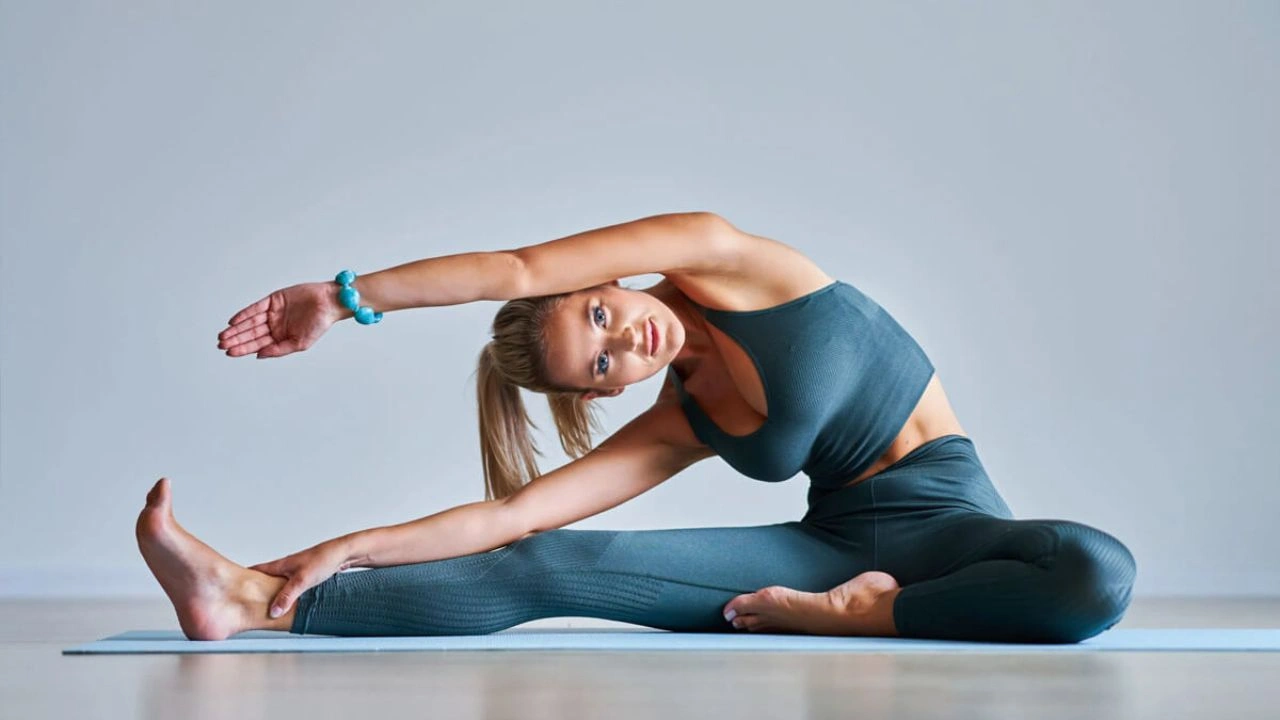
Introduction
Understanding Stress in Modern Life
Stress has become a constant companion in modern life. Deadlines, financial pressure, digital overload, family responsibilities, and the expectation to always be available have created a state of continuous mental and physical tension. Unlike short-term stress, which can sometimes be motivating, chronic stress keeps the body in a prolonged state of alertness. Over time, this affects sleep quality, digestion, immune health, emotional balance, and overall well-being.
Modern stress is not always caused by physical danger, yet the body responds as if it were. Emails, traffic, social media comparisons, and workplace demands trigger the same stress response as a real threat. This mismatch between ancient biology and modern lifestyles leaves many people feeling exhausted, anxious, disconnected, and overwhelmed.
Understanding stress is the first step toward managing it. When we recognize that stress is not just “in the mind” but deeply rooted in the body, we can begin to address it in a more effective and compassionate way.
Why Movement Is a Natural Stress Reliever
Movement is one of the most powerful and natural tools for relieving stress. Long before humans had access to medication, therapy, or structured exercise programs, the body relied on movement to release tension and restore balance. Walking, stretching, dancing, and physical labor were built into daily life, allowing stress hormones to be naturally processed and discharged.
When we move, the body receives a signal that it is safe to release stored tension. Gentle and rhythmic movement, in particular, helps regulate the nervous system, slow the breath, and bring attention back into the present moment. Movement also stimulates the release of feel-good chemicals such as endorphins, serotonin, and dopamine, which improve mood and reduce anxiety.
Unlike many stress-management techniques that focus only on the mind, movement works directly with the body. It doesn’t require special equipment, long sessions, or perfect conditions. Even small amounts of intentional movement can create noticeable shifts in energy, mood, and mental clarity.
How This Guide Will Help You
This guide is designed to help you understand and use movement as a practical, sustainable tool for stress relief. Rather than promoting intense workouts or rigid routines, it emphasizes accessible and adaptable forms of movement that fit into real life.
You will learn:
- How stress affects the body and nervous system
- Why certain types of movement calm the mind more effectively than others
- How to choose movement based on your stress levels and energy
- Simple ways to integrate stress-relieving movement into daily routines
Whether you are new to movement, recovering from burnout, or looking for a more mindful approach to stress management, this guide offers practical insights you can apply immediately.
Chapter 1: The Science of Stress and Movement
What Happens in the Body During Stress
When the body perceives stress, it activates a survival response designed to protect us. The brain sends signals to release stress hormones such as cortisol and adrenaline. These hormones increase heart rate, elevate blood pressure, tense the muscles, and sharpen focus—preparing the body for action.
In short bursts, this response is helpful. However, when stress becomes constant, the body never fully returns to a relaxed state. Muscles remain tight, breathing becomes shallow, digestion slows, and sleep is disrupted. Over time, chronic stress can lead to fatigue, anxiety, headaches, muscle pain, hormonal imbalance, and weakened immunity.
The body is not meant to stay in survival mode indefinitely. Without a physical outlet to release this built-up energy, stress becomes trapped in the body, contributing to both physical discomfort and emotional strain.
The Nervous System: Fight, Flight, and Relaxation
The autonomic nervous system plays a central role in how we experience stress. It has two primary branches:
- The sympathetic nervous system, responsible for fight-or-flight responses
- The parasympathetic nervous system, responsible for rest, digestion, and recovery
Chronic stress keeps the sympathetic system overactive, while the parasympathetic system becomes underutilized. This imbalance leaves the body in a constant state of tension and vigilance.
Movement helps restore balance between these two systems. Slow, mindful, and rhythmic movements—such as walking, yoga, stretching, or gentle mobility work—activate the parasympathetic response. This signals safety to the brain, slows the heart rate, deepens breathing, and allows the body to recover.
By working with the nervous system rather than against it, movement becomes a form of communication that tells the body it can let go.
How Movement Lowers Cortisol and Boosts Mood
Physical movement helps regulate cortisol levels by providing the body with a healthy way to complete the stress cycle. When we move, stress hormones are metabolized and released rather than lingering in the bloodstream.
Movement also increases the production of endorphins, often referred to as the body’s natural painkillers. These chemicals create feelings of calm, pleasure, and emotional stability. Additionally, regular movement supports better sleep, improved focus, and greater emotional resilience.
Importantly, stress-relieving movement does not have to be intense. In fact, overly demanding workouts can increase stress if the body is already overwhelmed. The key is choosing movement that feels supportive rather than punishing.
Movement vs. Medication: A Holistic Perspective
Medication can be helpful and necessary for some individuals, especially when stress and anxiety become unmanageable. However, medication often addresses symptoms rather than the underlying physiological patterns that create stress.
Movement offers a complementary and holistic approach. It works with the body’s natural systems to restore balance, improve self-awareness, and build long-term resilience. Unlike medication, movement empowers individuals to actively participate in their own healing process.
This does not mean choosing movement over medical support when it is needed. Instead, movement can be viewed as a foundational practice—one that supports mental health, enhances the effectiveness of other treatments, and promotes overall well-being.
By understanding the science behind stress and movement, we can begin to use our bodies not as sources of tension, but as powerful allies in healing and calm.
Chapter 2: Types of Stress-Relieving Movement
Gentle Movement vs. Intense Exercise
Not all movement affects the body and mind in the same way. When it comes to stress relief, the intensity of movement matters.
Gentle movement—such as slow yoga, light stretching, tai chi, or a relaxed walk—signals to the body that it is safe to relax. It encourages the parasympathetic nervous system to activate, lowering heart rate, reducing muscle tension, and calming the mind. These movements are low-impact, easy to sustain, and accessible to nearly everyone, regardless of age or fitness level. Gentle movement allows you to release stress without creating additional strain on an already tense body.
On the other hand, intense exercise—like high-intensity interval training, sprinting, or heavy lifting—activates the sympathetic nervous system, which is responsible for fight-or-flight responses. This type of movement can release stress when the body is well-rested and energetic, but it may exacerbate tension if the nervous system is already overloaded. Intense exercise is highly beneficial for physical fitness and mood elevation, but it is not always ideal as a primary tool for stress relief, especially during periods of chronic stress or fatigue.
The key is matching movement intensity to your current state. On high-stress days, gentle practices often provide deeper relief than pushing the body to its limits. Understanding this difference allows movement to become a restorative tool rather than an additional source of pressure.
Mindful Movement and Body Awareness
Mindful movement emphasizes presence and awareness. It encourages you to notice sensations, alignment, breath, and emotional responses during movement, rather than focusing solely on performance or results.
Practices like yoga, tai chi, Qigong, or mindful walking train both the body and the mind. By paying attention to small details—such as the stretch in your muscles, the rhythm of your breath, or the shifting of weight—you cultivate body awareness. This awareness helps identify where stress is stored in the body, whether in tight shoulders, a tense jaw, or shallow breathing.
Mindful movement also helps break the cycle of automatic stress responses. Instead of reacting reflexively to stressors, you learn to pause, move intentionally, and create a sense of calm. Over time, this awareness transfers to daily life, helping you respond to stress with more clarity, presence, and control.
Aerobic vs. Non-Aerobic Activities
Movement can also be categorized into aerobic and non-aerobic activities, each with unique stress-relieving benefits:
- Aerobic activities involve continuous movement that increases heart rate and breathing. Examples include walking, jogging, cycling, swimming, and dancing. Aerobic exercise releases endorphins, improves mood, and can help burn off excess stress hormones like cortisol and adrenaline. Even moderate aerobic activity for 15–30 minutes can create a noticeable shift in energy and mental clarity.
- Non-aerobic activities include stretching, yoga, strength training, and mobility exercises. These movements focus more on controlled effort, body alignment, and tension release rather than cardiovascular stimulation. Non-aerobic activities are particularly effective at reducing muscular tension, improving posture, and calming the nervous system. They are often more restorative, especially during periods of high stress or fatigue.
A balanced stress-relief routine can include both aerobic and non-aerobic movement, but the proportion depends on your stress level and energy. On days of high tension or low energy, non-aerobic movement may be most beneficial, while aerobic activity can be added on days when energy allows.
Choosing the Right Movement for Your Stress Level
Selecting the right type of movement requires awareness of your current emotional, mental, and physical state. Here are some guidelines:
- High-stress, low-energy days: Focus on gentle, mindful, non-aerobic activities like stretching, restorative yoga, or slow walks. The goal is to release tension and create calm rather than push the body.
- Moderate stress or mid-energy days: Light aerobic activity such as brisk walking, easy cycling, or dancing can help burn off accumulated stress while still being enjoyable.
- Low-stress, high-energy days: Incorporate more vigorous aerobic or resistance exercises to maintain fitness, boost mood, and enhance resilience for future stressors.
It’s important to listen to your body and adjust daily. Stress levels fluctuate, and what feels restorative one day may feel exhausting the next. By learning to choose movement that matches your current needs, you transform exercise into a tool that actively supports well-being rather than another source of pressure.
Chapter 3: Yoga for Stress Relief
How Yoga Calms the Nervous System
Yoga is uniquely effective for stress relief because it works directly with the nervous system. Unlike many forms of exercise that stimulate the body into a heightened state, yoga emphasizes slow, intentional movement combined with conscious breathing. This combination sends a clear signal of safety to the brain, helping shift the body out of fight-or-flight mode and into a state of relaxation.
Through gentle postures and steady breathing, yoga stimulates the parasympathetic nervous system, which is responsible for rest, digestion, and recovery. Muscles begin to soften, the heart rate slows, and breathing becomes deeper and more rhythmic. Over time, regular yoga practice improves the body’s ability to recover from stress more quickly, reducing emotional reactivity and physical tension.
Yoga also encourages awareness of internal sensations. This mindfulness helps individuals recognize stress early—before it becomes overwhelming—making yoga not just a stress-relief tool, but a long-term stress-management practice.
Best Yoga Styles for Stress Reduction
Not all yoga styles are equally calming. For stress relief, slower and more mindful practices tend to be the most effective.
- Hatha Yoga focuses on basic postures held at a comfortable pace, making it ideal for beginners and those seeking gentle relaxation.
- Yin Yoga involves long-held, passive poses that target deep connective tissues and promote stillness. This style is particularly helpful for releasing deep emotional and physical tension.
- Restorative Yoga uses props to fully support the body, allowing muscles to relax completely. It is one of the most effective styles for nervous system regulation.
- Slow Flow or Gentle Vinyasa can be beneficial when practiced at a relaxed pace, emphasizing smooth transitions and breath awareness.
Choosing the right style depends on your energy levels. On high-stress or low-energy days, slower practices are more supportive than physically demanding flows.
Simple Poses for Immediate Relaxation
Certain yoga poses are especially effective for calming the body and mind. These poses encourage deep breathing and gentle stretching, helping release areas where stress commonly accumulates.
- Child’s Pose gently stretches the back and hips while encouraging slow, calming breaths.
- Cat–Cow Pose releases spinal tension and synchronizes movement with breathing, creating a soothing rhythm.
- Legs Up the Wall helps reduce fatigue, calm the nervous system, and improve circulation.
- Seated Forward Fold promotes introspection and relaxation by lengthening the spine and calming the mind.
Holding these poses for several slow breaths allows the body to settle and the mind to quiet. Even a few minutes can create noticeable relief.
Breath-Synchronized Movement
One of yoga’s most powerful stress-relief elements is the synchronization of breath and movement. Linking inhalations and exhalations to physical motion creates a meditative flow that anchors attention in the present moment.
Slow, controlled breathing—especially longer exhales—activates the body’s relaxation response. When paired with gentle movement, it helps release stored tension while maintaining mental focus. This practice improves emotional regulation, reduces anxious thinking, and builds resilience against future stress.
Over time, breath-synchronized movement teaches the body how to stay calm even during challenging situations, making it a skill that extends beyond the yoga mat and into daily life.
Chapter 4: Walking and Everyday Movement
The Mental Health Benefits of Walking
Walking is one of the most accessible and effective forms of stress-relieving movement. It requires no equipment, no special training, and can be done almost anywhere. Rhythmic, steady walking naturally calms the nervous system and helps clear mental clutter.
Regular walking reduces anxiety, improves mood, and enhances cognitive function. It provides a gentle aerobic stimulus that releases endorphins while allowing the mind to relax. Walking also creates space for reflection and emotional processing, helping people feel more grounded and balanced.
Even short walks can make a difference. Consistency matters more than distance or speed when it comes to mental health benefits.
Nature Walks and Stress Reduction
Walking in natural environments amplifies stress-relief benefits. Exposure to greenery, fresh air, and natural sounds reduces cortisol levels and promotes a sense of calm. Nature walking, often referred to as “green exercise,” has been shown to improve mood more effectively than indoor or urban walking.
Nature invites the nervous system to slow down. The visual patterns of trees, water, and open landscapes are inherently calming, helping shift attention away from stressors. Whether it’s a park, a beach, or a quiet street with trees, nature-based walking can be deeply restorative.
Even brief exposure to nature can help reset the nervous system and restore mental clarity.
Turning Daily Tasks into Stress-Relieving Movement
Stress relief does not require dedicated workout time. Everyday movements—when done with awareness—can become powerful tools for relaxation. Activities such as cleaning, cooking, gardening, or walking to nearby places can be transformed into mindful movement practices.
By slowing down, breathing deeply, and focusing on physical sensations, ordinary tasks become grounding experiences rather than additional stressors. This approach helps integrate movement into daily life, making stress relief sustainable and accessible.
Mindful daily movement also reduces the pressure to “do more,” shifting the focus from performance to presence.
Micro-Movement Breaks During the Day
Long periods of sitting and mental focus contribute to stress buildup in the body. Micro-movement breaks—short, intentional movement sessions lasting one to five minutes—help release tension and reset the nervous system.
Simple actions such as standing up, stretching the neck and shoulders, walking around the room, or taking a few deep breaths can significantly reduce stress. These small breaks improve circulation, prevent stiffness, and restore mental clarity.
Incorporating micro-movements throughout the day creates a rhythm of stress release, preventing tension from accumulating and making it easier to stay calm and focused
Common Barriers and How to Overcome Them
“I Don’t Have Time” Mindset
One of the most common barriers to stress-relieving movement is the belief that it requires large blocks of time. In reality, this mindset often comes from viewing movement as something separate from daily life—something that must be scheduled, planned, and performed perfectly.
Stress-relieving movement does not need to be long or complex to be effective. Even five to ten minutes of gentle stretching, walking, or breathing-based movement can significantly calm the nervous system. Small moments of movement accumulated throughout the day often provide greater stress relief than one long session done inconsistently.
Reframing movement as a form of self-care rather than another task helps shift this mindset. When movement is viewed as a way to regain energy and clarity—rather than something that drains time—it becomes easier to prioritize, even on busy days.
Lack of Motivation or Energy
Chronic stress often leads to low motivation and fatigue, making movement feel like an impossible effort. Many people believe they must feel motivated before they move, but stress-relieving movement works best when the order is reversed.
Gentle movement often creates energy rather than requiring it. Slow walking, light stretching, or simple yoga poses can actually reduce fatigue by improving circulation and calming the nervous system. Expecting high intensity or long sessions during periods of low energy only reinforces avoidance and frustration.
Lowering expectations is key. On difficult days, movement may look like a few deep breaths, a short walk, or a brief stretch. Consistency matters more than intensity. By honoring the body’s current state, movement becomes supportive rather than exhausting.
Fear of Injury or Doing It Wrong
Many people avoid movement because they fear injury, discomfort, or not performing exercises correctly. This fear is often rooted in past experiences, physical limitations, or unrealistic standards promoted by fitness culture.
Stress-relieving movement does not require perfect form or advanced techniques. The goal is not performance, but regulation and release. Gentle, low-impact movements that feel safe and comfortable are more effective for calming the nervous system than pushing through discomfort.
Listening to the body is essential. Pain, sharp sensations, or breath holding are signals to slow down or modify movement. When in doubt, simpler is better. Building trust with the body through safe, mindful movement gradually reduces fear and increases confidence.
Staying Consistent Under Pressure
Life does not become less stressful simply because we decide to manage stress. In fact, movement routines are often the first thing to disappear during busy or emotionally challenging periods. The key to consistency is flexibility.
Rather than aiming for perfection, it helps to create a “minimum commitment” to movement—something so small that it feels achievable even on the hardest days. This might be two minutes of stretching, a short walk, or a single calming pose.
Consistency is also supported by routine and cues. Attaching movement to existing habits, such as morning wake-up time or work breaks, reduces the need for decision-making. Over time, movement becomes a natural response to stress rather than something that requires willpower.
Frequently Asked Questions
How Much Movement Is Enough for Stress Relief?
There is no universal amount of movement required for stress relief. The most effective amount is the one that feels supportive and sustainable for your body and lifestyle. For many people, as little as ten to twenty minutes of gentle movement per day can make a noticeable difference.
Shorter sessions spread throughout the day can be just as effective as longer ones. The quality of movement—how mindful, relaxed, and intentional it is—often matters more than duration. Consistency over time is what creates lasting stress resilience.
Can Movement Replace Meditation?
Movement and meditation both help regulate the nervous system, but they work in slightly different ways. For some individuals, movement-based practices such as yoga, walking, or breath-synchronized motion are more accessible than seated meditation.
Movement can serve as a form of moving meditation, especially for those who find stillness uncomfortable or anxiety-provoking. While movement may not fully replace traditional meditation for everyone, it can offer similar benefits and act as a gateway to deeper mindfulness.
Ultimately, the best practice is the one you can maintain. Movement and meditation can also complement each other, creating a balanced approach to stress management.
What If Exercise Increases My Stress?
If exercise leaves you feeling more anxious, exhausted, or overwhelmed, it may be too intense for your current stress levels. High-intensity workouts stimulate the sympathetic nervous system, which can increase stress when the body is already overloaded.
In these situations, shifting toward gentler movement is helpful. Slow walking, stretching, restorative yoga, or breath-focused movement supports recovery rather than adding strain. Learning to match movement intensity to emotional and physical capacity is essential for long-term stress relief.
Stress-relieving movement should leave you feeling calmer, not depleted.
Is Rest Better Than Movement Sometimes?
Yes, rest is sometimes more beneficial than movement. When the body is deeply fatigued, sick, or emotionally overwhelmed, rest becomes an essential form of self-care. Stress relief is about balance, not constant activity.
However, rest does not always mean complete inactivity. Gentle, minimal movement—such as stretching in bed or slow breathing—can coexist with rest and support recovery.
The key is listening to the body. Some days call for movement, others for stillness. Both are valuable tools in managing stress and maintaining long-term well-being.
Conclusion
Movement as a Daily Stress Management Tool
Stress is an inevitable part of life, but suffering from it does not have to be. Throughout this guide, we have explored how movement—when approached with intention and awareness—can become one of the most reliable tools for managing stress on a daily basis. Unlike quick fixes or occasional solutions, movement works from the inside out, supporting the nervous system, calming the mind, and releasing tension stored in the body.
Movement does not need to be intense, time-consuming, or perfectly structured to be effective. Gentle yoga, walking, stretching, breath-synchronized motion, or even mindful everyday activities can all create meaningful shifts in how the body responds to stress. When practiced regularly, movement teaches the body how to return to balance more quickly, reducing the long-term impact of stress on physical and emotional health.
By choosing movement as a daily practice, you give your body a consistent outlet to process stress rather than carry it. Over time, this creates greater emotional stability, improved energy levels, and a deeper sense of control over your well-being.
Listening to Your Body’s Needs
One of the most important lessons in stress relief through movement is learning to listen to your body. The body communicates constantly—through fatigue, tension, restlessness, discomfort, and ease. Stress often grows when these signals are ignored or overridden.
Listening to your body means honoring its changing needs from day to day. Some days call for gentle stretching or slow walking, while others may invite more dynamic movement. There may also be times when rest is the most supportive choice. There is no single “right” way to move, only what is appropriate for your current physical and emotional state.
When movement is guided by awareness rather than pressure, it becomes a form of self-respect. This approach builds trust between mind and body, making stress relief feel natural instead of forced. Over time, listening becomes intuitive, and movement becomes a supportive response rather than another obligation.
Making Stress Relief a Lifelong Habit
The true power of movement lies not in short-term results, but in consistency over time. Making stress relief a lifelong habit does not require perfection or strict routines. It requires flexibility, patience, and a willingness to return to movement again and again, even after breaks or setbacks.
Sustainable habits are built through small, manageable actions. A few minutes of daily movement, repeated consistently, is far more effective than occasional intense efforts. By integrating movement into daily life—through walking, stretching, breathing, or mindful activity—stress relief becomes part of who you are, not something you have to remember to do.
As life changes, your movement practices will evolve. What remains constant is the intention to care for yourself through motion, awareness, and compassion. Movement becomes more than a technique—it becomes a lifelong companion, supporting resilience, calm, and well-being through every stage of life.