 By StretchToStrength.blog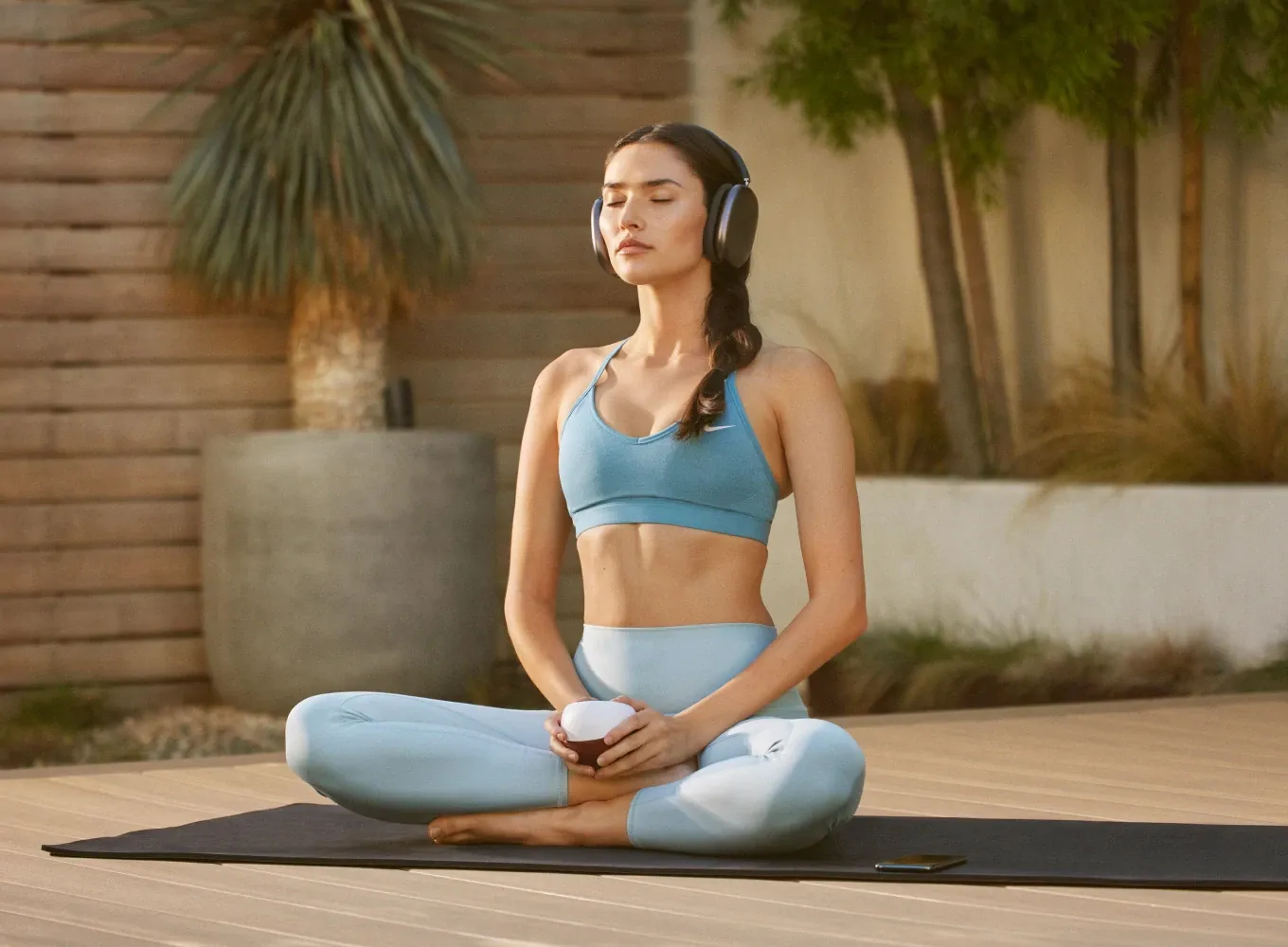
Introduction
Meditation is an ancient practice that has been used for thousands of years across cultures to cultivate awareness, clarity, and inner calm. In today’s fast-paced world, where distractions are constant and stress is unavoidable, meditation provides a sanctuary for the mind—a way to step back from chaos and reconnect with yourself.
At its core, meditation is not about stopping your thoughts or “emptying your mind.” Instead, it is about observing your thoughts and feelings without judgment, learning to respond rather than react, and gradually finding a sense of stability and peace within.
Whether you are seeking relief from stress, better focus, emotional balance, or simply a moment of calm in your day, meditation is a tool that can support your mental, emotional, and even physical well-being.
What Is Meditation?
Meditation is a practice that trains the mind to focus, remain present, and develop awareness. It can take many forms, from sitting quietly and focusing on your breath, to guided visualizations, to movement-based practices like walking meditation or yoga.
Key aspects of meditation include:
- Focus: Directing attention intentionally, whether on the breath, a mantra, or sensations in the body.
- Awareness: Observing thoughts, emotions, and sensations without getting caught up in them.
- Acceptance: Embracing whatever arises during practice without judgment.
Meditation is not a one-size-fits-all approach. It can be simple or structured, brief or extended, formal or informal. The goal is not perfection but a gradual development of inner calm and clarity.
The Benefits of Meditation for Mind and Body
Scientific studies and anecdotal evidence highlight a wide range of benefits of meditation:
- Reduces Stress: Meditation lowers levels of cortisol, the stress hormone, helping you respond more calmly to life’s challenges.
- Improves Focus and Concentration: Regular practice strengthens attention and reduces mental fatigue.
- Enhances Emotional Well-Being: Meditation increases self-awareness, emotional regulation, and resilience against negative emotions.
- Promotes Better Sleep: Relaxation and mindfulness techniques calm the nervous system, supporting deeper and more restorative sleep.
- Boosts Physical Health: Meditation can reduce blood pressure, strengthen the immune system, and improve heart health by lowering stress-related strain.
Overall, meditation fosters a sense of balance and harmony, not just in the mind but throughout the entire body.
Setting Realistic Expectations as a Beginner
Starting meditation can feel intimidating, especially with the popular notion that it requires perfect stillness or a completely quiet mind. The reality is different:
- You Will Have Thoughts: It’s natural for the mind to wander. Observing these thoughts without judgment is part of the practice.
- Progress Is Gradual: Inner peace is cultivated over time. Short daily sessions of 5–10 minutes can be more effective than occasional long sessions.
- Consistency Matters More Than Duration: Regular practice, even for a few minutes each day, produces lasting benefits.
- Patience Is Key: Meditation is not a quick fix. It is a journey, not a destination.
By approaching meditation with curiosity and kindness toward yourself, you set the stage for sustainable growth and meaningful results.
Chapter 1: Understanding Inner Peace
Inner peace is often described as a state of calm, stability, and contentment that is not dependent on external circumstances. It is a sense of balance in the mind and heart that allows you to navigate life’s challenges with clarity and ease.
What Inner Peace Really Means
True inner peace is more than simply feeling relaxed or happy. It is:
- Acceptance: Embracing life as it is, without resisting or denying reality.
- Emotional Balance: Experiencing emotions fully but not being controlled by them.
- Mental Clarity: Seeing situations clearly without being clouded by stress, fear, or overthinking.
- Freedom from Attachment: Not clinging to outcomes or letting external events dictate your happiness.
Inner peace allows you to respond consciously rather than react impulsively, creating a stable foundation for mental, emotional, and spiritual well-being.
The Science Behind Calmness and Stress Reduction
Research in neuroscience and psychology supports the benefits of meditation and mindfulness in cultivating inner peace:
- Brain Changes: Regular meditation can increase the thickness of the prefrontal cortex, which is responsible for attention, self-control, and decision-making.
- Emotional Regulation: Meditation strengthens the connection between the amygdala (emotional center) and the prefrontal cortex, helping reduce anxiety and impulsive reactions.
- Stress Reduction: Mindfulness meditation lowers cortisol levels and reduces the body’s “fight-or-flight” response.
- Improved Neuroplasticity: Meditation encourages the brain to form new pathways, supporting resilience and mental flexibility.
Essentially, meditation rewires the brain to cultivate calmness, focus, and emotional stability.
Common Obstacles to Finding Inner Peace
While the benefits of meditation are clear, beginners often face challenges:
- Restless Mind: Thoughts and distractions are normal. Patience and gentle redirection of attention are key.
- Impatience: Expecting quick results can lead to frustration. Inner peace develops gradually.
- External Stressors: Life circumstances may create tension, but meditation teaches coping skills.
- Perfectionism: Believing you must meditate “correctly” can create pressure. There is no perfect way—consistency matters most.
- Physical Discomfort: Sitting or staying still can feel uncomfortable at first. Adjust posture, cushions, or chairs to support your practice.
By acknowledging these obstacles and approaching them with curiosity rather than judgment, you create a supportive environment for growth.
Chapter 2: Getting Started with Meditatio
Beginning a meditation practice can feel exciting, but also a little intimidating. You may wonder: “Which style should I choose?” or “Do I need a special space or posture?” This chapter is designed to guide beginners through these initial steps, making meditation accessible, comfortable, and enjoyable from day one.
Choosing the Right Meditation Style for You
There is no single “correct” form of meditation. Different techniques serve different purposes, and the best style for you depends on your personality, goals, and lifestyle. Here are some common beginner-friendly styles:
- Mindfulness Meditation
- Focuses on observing thoughts, emotions, and bodily sensations without judgment.
- Ideal if you want to improve awareness and reduce stress.
- Breath Awareness Meditation
- Centers attention on the breath as a natural anchor.
- Effective for calming the mind and improving focus.
- Guided Meditation
- Involves listening to instructions or visualizations from a teacher or app.
- Perfect if you need structure or prefer being guided through the practice.
- Body Scan Meditation
- Systematically brings attention to different parts of the body to release tension.
- Great for relaxation, especially after a busy day.
- Loving-Kindness (Metta) Meditation
- Cultivates compassion toward yourself and others through repeated positive intentions.
- Helpful for emotional balance and improving relationships.
Tips for choosing a style:
- Start with short sessions of 5–10 minutes to see what resonates.
- Don’t be afraid to try multiple styles; your preference may change over time.
- Focus on consistency and comfort rather than perfection or advanced techniques.
Remember, meditation is about personal experience—what works for someone else may not work for you, and that’s perfectly fine.
Creating a Comfortable Meditation Space
Your meditation environment plays a subtle but important role in supporting your practice. A dedicated space can help signal to your mind and body that it’s time to relax and focus.
Elements of a meditation-friendly space:
- Quiet: Reduce noise and distractions whenever possible. Consider earplugs, noise-canceling headphones, or calming background sounds if needed.
- Clean and uncluttered: A simple, organized space promotes mental calm.
- Comfortable seating: A cushion, chair, or even a yoga mat can support your posture without strain.
- Pleasant lighting: Soft, natural light works best. Avoid harsh overhead lighting if possible.
- Optional enhancements: Candles, incense, plants, or calming images can create a serene atmosphere, but are not necessary.
Tips for beginners:
- You don’t need a separate room; a corner of your bedroom or living room works fine.
- Keep your space ready and inviting so you don’t have to spend time preparing each session.
- Consistency matters more than perfection—the best space is the one you’ll actually use.
Basic Meditation Postures and Techniques
Proper posture supports alertness and comfort during meditation, preventing strain or discomfort. While there’s flexibility, these are beginner-friendly options:
- Seated on a Cushion (Cross-Legged or Sukhasana)
- Sit cross-legged with a straight spine, shoulders relaxed, hands resting on your knees or in your lap.
- Use a cushion or folded blanket to raise your hips slightly for comfort.
- Seated on a Chair
- Sit with feet flat on the floor, back straight but not rigid.
- Rest hands on thighs or lap, and relax your shoulders.
- Ideal for beginners who find floor sitting uncomfortable.
- Lying Down (Savasana)
- Lie on your back with arms by your sides, palms facing upward.
- Legs can be slightly bent or extended, whichever is comfortable.
- Best for body scan or guided meditations, but may increase the risk of falling asleep.
- Standing or Walking Meditation
- Focus on breath, posture, or the sensations of walking slowly.
- Great for those who feel restless or prefer movement over stillness.
Meditation Techniques for Beginners:
- Focus on Breath: Pay attention to inhalation and exhalation. Return your attention gently when the mind wanders.
- Counting Breaths: Count each inhale and exhale up to ten, then start over. This helps anchor attention.
- Body Awareness: Notice sensations in different parts of the body without judgment.
- Mantra Repetition: Silently repeat a word, phrase, or sound to focus attention.
Practical tips for beginners:
- Keep sessions short initially (5–10 minutes).
- Use a timer or app to track time, so you don’t have to worry about duration.
- Accept that your mind will wander—it’s natural. Gently return focus to your chosen anchor without judgment.
Final Thoughts for Getting Started
Starting a meditation practice is a simple yet transformative step toward inner peace. By:
- Choosing a style that suits you,
- Creating a comfortable space, and
- Using beginner-friendly postures and techniques,
you set yourself up for success. The most important aspect is showing up consistently, even for a few minutes each day. Over time, your practice will deepen naturally, bringing calmness, clarity, and a greater connection to yourself and the present moment.
Chapter 3: Beginner Meditation Practices
Starting a meditation practice can feel overwhelming, especially with so many styles and techniques available. The key is to explore different methods and find what resonates with you. Below are some of the most effective beginner-friendly practices:
Mindfulness Meditation
Mindfulness meditation is about bringing attention to the present moment without judgment. It helps you observe thoughts, emotions, and bodily sensations as they arise, creating a sense of clarity and calm.
How to practice:
- Sit comfortably with a straight back.
- Close your eyes and take a few deep breaths.
- Focus on your breath, a sensation, or even sounds around you.
- Notice when your mind wanders and gently return your focus to the present moment.
Benefits:
- Reduces stress and anxiety
- Improves focus and concentration
- Enhances emotional regulation
Even 5–10 minutes daily can make a noticeable difference in mental clarity and calmness.
Breath Awareness Meditation
This practice involves focusing solely on your breathing, which serves as an anchor for your mind. It is simple but extremely effective for calming a busy mind.
How to practice:
- Sit or lie down comfortably.
- Close your eyes and take slow, deep breaths.
- Observe the inhale and exhale. Notice the rise and fall of your chest or abdomen.
- When your mind drifts, gently bring attention back to your breath.
Benefits:
- Promotes relaxation and lowers stress
- Improves lung capacity and oxygen flow
- Helps develop mindfulness and presence
This is ideal for beginners because the breath is always available as a point of focus.
Guided Meditation
Guided meditation involves listening to an instructor or recording that leads you through the meditation. This can include visualizations, affirmations, or mindful awareness.
How to practice:
- Choose a guided meditation via an app, video, or audio.
- Find a quiet, comfortable space.
- Follow the instructions, focusing on the imagery, breath, or sensations described.
- Allow yourself to fully immerse in the guidance without overthinking.
Benefits:
- Provides structure for beginners
- Reduces distraction and mental wandering
- Can target specific goals, such as stress relief, sleep, or self-compassion
Guided meditation is an excellent way to learn techniques before meditating independently.
Body Scan Meditation
This practice involves mentally scanning your body from head to toe, noticing sensations without judgment. It increases awareness of tension and promotes relaxation.
How to practice:
- Lie down or sit comfortably.
- Close your eyes and take a few deep breaths.
- Slowly bring attention to each part of your body, starting at your toes and moving upward.
- Notice sensations, tension, or discomfort without trying to change them.
Benefits:
- Relieves physical tension and stress
- Enhances mind-body connection
- Promotes deep relaxation
Body scan meditation is especially helpful before sleep or after a long day.
Loving-Kindness (Metta) Meditation
Loving-kindness meditation focuses on cultivating feelings of compassion and love for yourself and others. It fosters emotional balance and positivity.
How to practice:
- Sit comfortably and close your eyes.
- Take deep breaths and bring your attention inward.
- Silently repeat phrases like:
- “May I be happy.”
- “May I be healthy.”
- “May I be safe and at peace.”
- Gradually extend these wishes to loved ones, acquaintances, and even people you find challenging.
Benefits:
- Enhances empathy and compassion
- Reduces anger and resentment
- Strengthens emotional resilience
Loving-kindness meditation helps cultivate a gentle and peaceful mindset, improving both inner peace and relationships.
Chapter 4: Building a Daily Meditation Habit
Meditation is most effective when practiced consistently. Building a daily habit ensures long-term benefits and transforms meditation from a task into a natural part of your life.
How Long Should You Meditate as a Beginner
- Start small: 5–10 minutes per day is sufficient for beginners.
- Gradually increase: As you feel comfortable, extend sessions to 15–20 minutes.
- Quality over quantity: Even short, focused sessions are more effective than long sessions filled with distraction.
Remember, consistency is more important than duration in developing a lasting meditation habit.
Choosing the Best Time of Day
- Morning: Starting your day with meditation can set a calm tone and increase focus.
- Evening: Meditating before bed promotes relaxation and better sleep.
- Breaks during the day: Short 2–5 minute sessions during work or study breaks can reduce stress and restore energy.
Experiment with different times to find what works best for your schedule and lifestyle.
Overcoming Common Challenges and Distractions
Even experienced meditators face obstacles. Common challenges for beginners include:
- A busy mind: Thoughts will wander; gently redirect focus without judgment.
- Restlessness: Start with shorter sessions and gradually increase time.
- Discomfort: Adjust posture, cushions, or chairs to stay comfortable.
- Impatience: Avoid expecting immediate results; meditation is a gradual process.
- External distractions: Use a quiet space, noise-canceling headphones, or guided meditations to reduce interruptions.
Building patience and self-compassion is key to overcoming these hurdles.
Tracking Your Progress
- Journaling: Note your experiences, challenges, and emotions after each session.
- Consistency tracker: Use a calendar, app, or checklist to track daily practice.
- Reflect on benefits: Periodically review improvements in stress, focus, and emotional stability.
Tracking progress reinforces motivation and helps you observe subtle positive changes that may go unnoticed day-to-day.
Chapter 6: Applying Meditation to Daily Life
Meditation is not just something you do while sitting quietly—it’s a tool you can carry into every aspect of your life. By integrating mindfulness and meditation techniques into daily activities, you can manage stress, improve focus, and cultivate emotional balance, making life calmer, more intentional, and more fulfilling.
Managing Stress and Anxiety
One of the most immediate benefits of meditation is its ability to reduce stress and anxiety. Meditation helps you observe your thoughts and emotions without getting swept away by them, creating a mental buffer against stress.
Practical ways to apply meditation for stress:
- Pause and breathe: When you feel tension rising, take a few deep breaths, focusing on the inhale and exhale to calm the nervous system.
- Mindful breaks: Spend 2–5 minutes noticing sensations in your body, your surroundings, or your breath, even during a busy day.
- Body scan for tension: Identify tight areas in your body, consciously relax muscles, and release physical stress.
- Reflective mindfulness: Observe the thoughts causing anxiety without judgment, then let them pass rather than overanalyzing.
Regular practice trains your mind to respond calmly rather than react impulsively, reducing the overall impact of stress in your life.
Improving Focus and Productivity
Meditation strengthens attention and mental clarity, which can directly enhance productivity in work, studies, or personal projects.
How to integrate meditation for focus:
- Morning mindfulness: Start your day with 5–10 minutes of meditation to prime your mind for sustained attention.
- Single-tasking: Apply mindful awareness to tasks—focus fully on one activity at a time rather than multitasking.
- Short breathing sessions: Even a minute of focused breathing between tasks can reset your attention and reduce mental fatigue.
- Visualization: Before a task, visualize completing it with clarity and calm, reducing procrastination and stress.
By making mindfulness a habit, you can maintain focus longer, avoid distractions, and approach tasks with clarity and purpose.
Cultivating Emotional Resilience
Meditation nurtures emotional resilience—the ability to recover from setbacks and respond to challenges with balance.
Ways meditation builds resilience:
- Observing emotions: Instead of reacting to anger, fear, or frustration, notice them as temporary experiences.
- Self-compassion: Loving-kindness meditation encourages gentleness toward yourself during difficult moments.
- Perspective shift: Mindfulness helps you see situations objectively, reducing over-identification with negative emotions.
- Stress inoculation: Regular meditation reduces the intensity of emotional reactions over time, making challenges easier to navigate.
Emotional resilience allows you to maintain inner calm even in stressful or unpredictable situations.
Strengthening Relationships through Mindfulness
Meditation not only benefits your inner world but also your interactions with others. Mindfulness fosters presence, empathy, and patience, which can improve relationships with family, friends, and colleagues.
Practical applications:
- Active listening: Be fully present during conversations without planning your response in advance.
- Respond, don’t react: Pause before responding to criticism or conflict, reducing unnecessary tension.
- Compassion practices: Loving-kindness meditation helps cultivate empathy and understanding toward others.
- Mindful interactions: Even small gestures, like mindful eye contact or undivided attention, strengthen connections.
Integrating mindfulness into relationships encourages more meaningful and harmonious connections.
Chapter 7: Frequently Asked Questions
Even beginners have questions and doubts about meditation. Here are answers to common concerns:
What If I Can’t Sit Still?
It’s normal to feel restless at first. Meditation does not require sitting cross-legged for long periods.
- Start with short sessions (2–5 minutes).
- Try mindful walking, standing, or even gentle movement-based meditation.
- Gradually, your body and mind will adapt to longer periods of stillness.
How Do I Handle Negative Thoughts?
Negative thoughts are a natural part of the mind’s activity. Meditation teaches you to observe them without judgment.
- Acknowledge the thought: “I notice I am thinking about X.”
- Avoid attaching emotion or reacting.
- Gently redirect attention to your breath, mantra, or body sensations.
Over time, you develop the ability to respond to negative thoughts with calmness and clarity.
How Long Before I See Results?
Meditation benefits vary for each person, but many beginners notice:
- Immediate effects: A few minutes of deep breathing can reduce tension and increase calm.
- Short-term changes (1–4 weeks): Improved focus, reduced stress, and greater emotional awareness.
- Long-term benefits (3 months+): Increased resilience, lasting inner peace, better relationships, and emotional balance.
Consistency is more important than duration—small daily practices yield the most sustainable results.
Can Meditation Replace Therapy or Medical Treatment?
Meditation is a complementary tool, not a replacement for professional medical or mental health treatment.
- It can reduce stress, improve emotional regulation, and support mental well-being.
- For conditions like depression, anxiety disorders, or chronic illness, meditation should be combined with professional care.
- Always consult a qualified healthcare provider if you have serious mental or physical health concerns.
Meditation is a practical, adaptable skill that, when integrated into daily life, can transform how you experience stress, focus, emotions, and relationships. By understanding its applications and addressing common challenges, beginners can confidently make meditation a lifelong practice.
Conclusion
Meditation is not a destination—it is a lifelong journey. As you progress, you will discover that the true benefits of meditation go far beyond stress reduction or relaxation. Meditation cultivates self-awareness, emotional balance, resilience, and inner peace, gradually transforming the way you experience yourself and the world around you.
Embracing Meditation as a Lifelong Journey
Approaching meditation with the mindset of a journey rather than a goal is key to long-term success. Your practice may evolve over time:
- Different styles: You might explore mindfulness, breath awareness, body scan, loving-kindness, or even movement-based meditations like yoga or tai chi.
- Changing needs: Life circumstances may influence your meditation focus—for instance, using stress-reduction techniques during busy periods or cultivating compassion during challenging relationships.
- Continuous learning: Meditation is also about self-discovery. Each session provides insight into your thoughts, habits, and emotions, fostering ongoing personal growth.
By embracing meditation as a lifelong journey, you allow yourself the freedom to explore, adapt, and deepen your practice without pressure or judgment.
Celebrating Small Wins and Progress
Progress in meditation is often subtle and gradual. Recognizing small wins helps maintain motivation and confidence:
- Consistency over perfection: Completing your daily meditation, even for a few minutes, is a meaningful achievement.
- Noticing subtle shifts: You may become slightly calmer, more focused, or better able to handle stress. These small changes are significant milestones.
- Acknowledging challenges overcome: Observing thoughts without reacting, staying present in the moment, or gently returning to your breath are all wins worth celebrating.
Small victories compound over time, creating a strong foundation for long-term inner peace.
Tips for Staying Consistent
Building a sustainable meditation habit can be easier with practical strategies:
- Start small and simple: Begin with 5–10 minutes a day. Gradually increase as you become more comfortable.
- Set a routine: Meditate at the same time each day to create a habit, whether in the morning, evening, or during a break.
- Use reminders: Set phone alarms, sticky notes, or calendar alerts to prompt practice.
- Create a dedicated space: Even a small, quiet corner can make meditation more inviting.
- Track progress: Journals, habit trackers, or meditation apps can motivate and provide a sense of accomplishment.
- Be gentle with yourself: Some days will be easier than others. Consistency is about returning to the practice, not judging yourself for distractions or skipped sessions.
By adopting these strategies, meditation becomes a natural, integrated part of daily life rather than a chore.
Resources and References
To support your meditation journey, here are some recommended resources, including books, apps, guided meditation sources, and scientific studies.
Recommended Books and Apps
Books:
- The Miracle of Mindfulness by Thich Nhat Hanh – A classic guide to mindfulness meditation and living fully in the present.
- Wherever You Go, There You Are by Jon Kabat-Zinn – Practical insights on mindfulness for everyday life.
- 10% Happier by Dan Harris – A modern approach to meditation and mindfulness for skeptics.
Apps:
- Headspace: Offers guided meditations for beginners and advanced practitioners.
- Calm: Focuses on mindfulness, sleep, and stress management.
- Insight Timer: A free app with thousands of guided meditations and courses.
- Smiling Mind: Free app with mindfulness programs for adults and children.
Guided Meditation Sources
- YouTube Channels: The Honest Guys, Tara Brach, Michael Sealey
- Podcasts: Meditative Story, The Daily Meditation Podcast
- Online Courses: Mindfulness-Based Stress Reduction (MBSR) programs, offered by Jon Kabat-Zinn’s Center for Mindfulness or other reputable platforms.
Scientific Studies on Meditation and Inner Peace
Research supports meditation’s benefits for mental, emotional, and physical health:
- Stress Reduction: Mindfulness meditation has been shown to reduce cortisol levels and improve emotional regulation.
- Brain Health: Studies indicate that regular meditation can increase grey matter in areas associated with attention, memory, and emotional control.
- Emotional Resilience: Meditation enhances connectivity between the prefrontal cortex and amygdala, promoting calmness and reducing anxiety.
- Physical Well-being: Meditation contributes to lower blood pressure, improved heart health, and enhanced immune function.
Referencing reputable sources can deepen your understanding of meditation’s evidence-based benefits and inspire confidence in your practice.
Final Thoughts
Meditation is a personal journey—there is no right or wrong way to practice. The most important step is simply beginning and continuing. By committing to consistent practice, celebrating small wins, and integrating mindfulness into daily life, you can cultivate lasting inner peace, clarity, and emotional well-being.
Remember: Even a few mindful minutes a day can transform your life over time. Approach your meditation practice with patience, curiosity, and self-compassion, and watch as calmness, focus, and joy gradually grow from within.