 By StretchToStrength.blog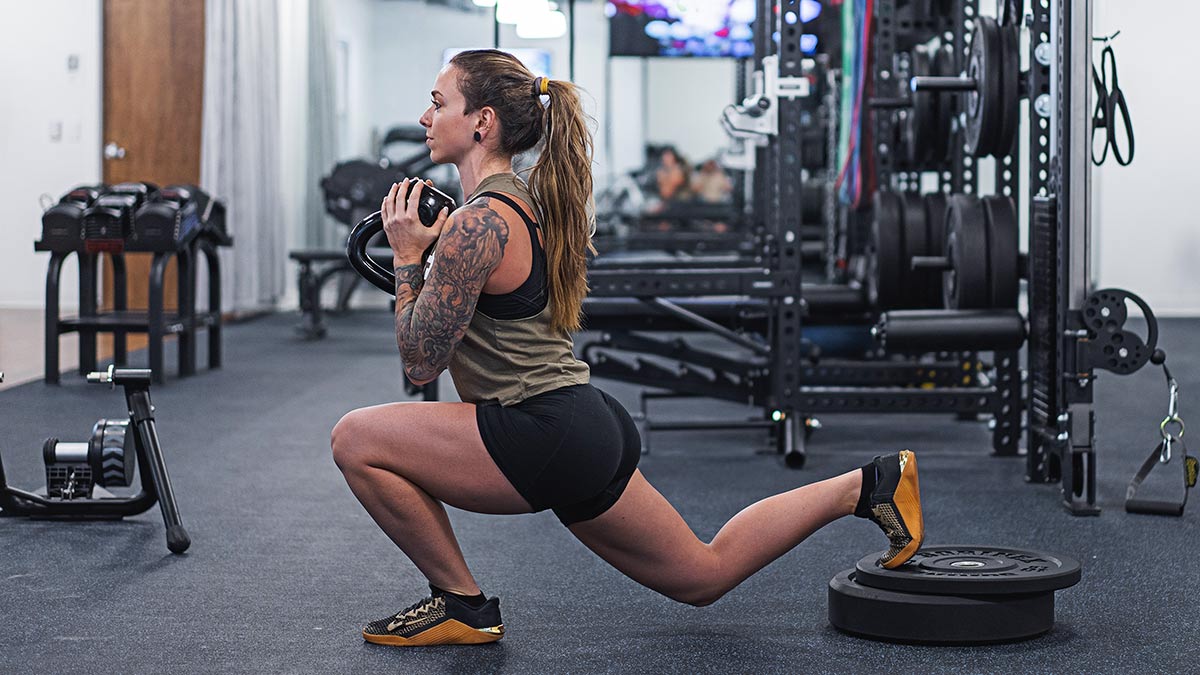
Introduction
Hybrid training is redefining how we think about fitness and athletic performance. Instead of separating workouts into rigid categories—such as strength days and agility days—hybrid training blends both qualities into a unified, functional approach. This method reflects how the body truly moves in real life and sport: with strength, speed, control, and adaptability working together.
Related:
What Is Hybrid Training?
Hybrid training is a training approach that intentionally combines strength development with agility-based movement. It integrates resistance training, explosive power, coordination drills, and change-of-direction work into a cohesive system. Rather than focusing solely on lifting heavier weights or moving faster in isolation, hybrid training emphasizes the ability to produce force efficiently while moving dynamically.
This approach bridges the gap between traditional strength training and movement-based conditioning, creating athletes—and everyday movers—who are both powerful and responsive.
Why Combining Agility and Strength Matters Today
Modern lifestyles and sports place complex demands on the body. Athletes must accelerate, decelerate, rotate, and react in unpredictable environments. Similarly, everyday individuals need strength and coordination to move safely, avoid injury, and stay active over time.
Training agility without strength can limit power and resilience, while training strength without agility can result in stiffness and poor movement transfer. Combining both ensures that strength is usable and that speed is controlled, making movement more efficient, safer, and more adaptable to real-world demands.
Who Can Benefit From Hybrid Training?
Hybrid training is not limited to elite athletes. It benefits:
- Athletes seeking improved performance and injury resistance
- Recreational exercisers wanting balanced, functional fitness
- Beginners building movement confidence and coordination
- Older adults aiming to maintain strength, balance, and reaction time
Anyone who values long-term movement quality and physical capability can benefit from a hybrid approach.
Understanding the Foundations
To understand hybrid training, it’s essential to clarify what agility and strength truly mean—and how they work together.
Defining Agility: Speed, Coordination, and Control
Agility is the ability to move quickly and efficiently while maintaining control. It involves rapid acceleration, deceleration, direction changes, and reactive decision-making. True agility is not just about speed; it requires coordination, balance, timing, and nervous system responsiveness.
Agility allows the body to adapt instantly to changing environments, whether that’s reacting to an opponent, avoiding a fall, or adjusting movement under fatigue.
Defining Strength: Force, Power, and Stability
Strength refers to the body’s ability to produce and resist force. It includes maximal strength, explosive power, and the capacity to stabilize joints under load. Strength training builds muscle, reinforces connective tissues, and enhances the nervous system’s ability to recruit force efficiently.
Beyond aesthetics or raw lifting numbers, strength provides the foundation for safe, confident movement.
How Agility and Strength Complement Each Other
Strength and agility are not opposing qualities—they are interdependent. Strength allows the body to absorb and produce force during fast movements, while agility ensures that strength is applied accurately and efficiently. Together, they create movement that is powerful yet controlled, fast yet stable.
Without strength, agility lacks durability. Without agility, strength lacks expression.
The Science Behind Hybrid Training
Hybrid training works because it targets both muscular and neurological systems, enhancing how the body moves as a whole.
Neuromuscular Adaptations
Hybrid training improves communication between the brain and muscles. Agility drills enhance motor learning and reaction speed, while strength training increases motor unit recruitment. Together, they refine coordination, timing, and movement precision, resulting in faster and more efficient responses.
Strength’s Role in Faster Direction Changes
Changing direction quickly requires the ability to decelerate, stabilize, and re-accelerate. Strength—especially in the hips, legs, and core—allows the body to absorb force safely and push off explosively. Stronger muscles and tendons enable sharper cuts, quicker stops, and more powerful transitions.
Agility’s Impact on Power Expression
Agility training teaches the body how to express strength rapidly and accurately. It improves rate of force development and teaches muscles to work together in coordinated patterns. This ensures that strength gains translate into real-world speed and explosiveness rather than staying confined to the gym.
Injury Prevention and Joint Resilience
By training multiple planes of movement and emphasizing control under load, hybrid training strengthens joints, tendons, and stabilizing muscles. This reduces injury risk by preparing the body for unpredictable forces, making it more resilient during sport, training, and daily life.
Key Benefits of Agility–Strength Integration
Enhanced Athletic Performance
Hybrid training improves speed, power, coordination, and endurance simultaneously. Athletes become more adaptable, explosive, and efficient across a wide range of movements and competitive situations.
Improved Movement Efficiency
By training the body to move with strength and precision, hybrid training reduces wasted energy. Movements become smoother, more coordinated, and less fatiguing, improving performance and sustainability.
Better Balance, Coordination, and Reaction Time
Agility-focused elements sharpen proprioception and nervous system responsiveness, while strength provides stability. This combination enhances balance and reaction speed, critical for both sport and everyday safety.
Reduced Risk of Overuse Injuries
Training variability is a core feature of hybrid programs. By moving in different directions, speeds, and loads, the body avoids repetitive strain, promoting healthier joints and long-term training consistency.
Essential Movement Patterns for Hybrid Training
Hybrid training is built on movement patterns rather than isolated muscles. These foundational patterns ensure that strength and agility are developed in ways that translate directly to real-world movement and athletic performance.
Linear and Lateral Movement Mechanics
Linear movements—such as sprinting, jumping forward, and pushing or pulling loads—develop forward force production and acceleration. Lateral movements, including side shuffles and lateral lunges, improve frontal-plane strength and coordination, which are often neglected in traditional training.
Training both directions enhances hip stability, knee control, and overall movement efficiency, preparing the body to move safely and powerfully in all planes.
Rotational Strength and Core Control
Most athletic and daily movements involve rotation. Rotational strength allows the body to transfer force between the lower and upper body efficiently, while core control ensures stability during twisting and turning actions.
Hybrid training emphasizes controlled rotation through the hips and thoracic spine while maintaining a stable core, reducing stress on the lower back and improving power transfer.
Deceleration and Change-of-Direction Skills
Stopping effectively is just as important as moving fast. Deceleration training teaches the body to absorb force safely, protecting joints and connective tissue. Change-of-direction drills combine deceleration with rapid re-acceleration, building strength, coordination, and control under dynamic conditions.
This skill is essential for injury prevention and performance across nearly all sports and physical activities.
Plyometrics and Explosive Strength
Plyometric exercises bridge the gap between strength and speed. They train the stretch-shortening cycle, allowing muscles and tendons to store and release energy efficiently. When combined with foundational strength training, plyometrics enhance explosiveness, responsiveness, and overall athleticism.
Core Strength Exercises for Agility Development
Strength training in a hybrid program focuses on creating force that can be expressed dynamically and safely.
Squats, Deadlifts, and Lunges
These compound movements form the backbone of hybrid strength training. Squats build lower-body power and joint stability, deadlifts reinforce posterior chain strength, and lunges enhance unilateral control and balance.
Together, they develop the foundational strength needed for rapid acceleration, deceleration, and directional changes.
Single-Leg Strength Training
Agility often happens one leg at a time. Single-leg exercises such as split squats, step-ups, and single-leg deadlifts improve balance, coordination, and force production while correcting asymmetries.
This unilateral strength directly supports faster, more controlled movement in sport and everyday life.
Loaded Carries and Anti-Rotation Work
Loaded carries train the body to maintain posture and stability under movement and load. Anti-rotation exercises challenge the core to resist unwanted motion, improving trunk control and force transfer.
Both are essential for maintaining control during high-speed or unpredictable movements.
Strength Training for Stability and Control
Hybrid strength training prioritizes controlled movement patterns, proper alignment, and joint stability. This approach ensures that strength gains support agility rather than restrict movement or increase injury risk.
Agility Drills That Build Strength
Agility work in hybrid training is designed to challenge both the nervous system and muscular system simultaneously.
Ladder and Cone Drills
Ladder and cone drills improve footwork, coordination, and spatial awareness. When performed with intent and proper mechanics, they also strengthen the calves, hips, and stabilizing muscles.
These drills reinforce quick, precise movement while maintaining balance and control.
Sprint Starts and Acceleration Work
Short sprint starts develop explosive power and rapid force application. Focusing on proper posture and force direction ensures that strength gains translate into speed and efficient acceleration.
Acceleration work also enhances nervous system responsiveness and coordination.
Reactive and Cognitive Agility Drills
Reactive drills introduce unpredictability, forcing the body to respond to external cues. This trains decision-making speed, coordination, and muscular readiness, making movement more adaptable and resilient.
These drills are especially valuable for sports and real-life movement demands.
Bodyweight and Resistance-Based Agility
Adding resistance to agility drills—through bands, sleds, or weighted vests—increases strength demands without sacrificing speed. Bodyweight agility drills emphasize control, while resisted variations build power and durability.
Programming Hybrid Training Effectively
Successful hybrid training depends on thoughtful programming that balances challenge and recovery.
Weekly Training Structure
A hybrid program typically includes a mix of strength-focused sessions, agility-focused sessions, and integrated workouts. Alternating intensity and movement emphasis allows consistent progress without overtraining.
Balancing Volume, Intensity, and Recovery
Hybrid training places demands on both muscles and the nervous system. Managing volume and intensity is essential to avoid fatigue. Adequate recovery—through rest days, sleep, and mobility work—supports performance and long-term consistency.
Strength First vs. Agility First Sessions
Session order depends on goals. Performing strength work first prioritizes force development, while agility-first sessions emphasize speed and coordination. Rotating both approaches ensures balanced adaptation.
Hybrid Warm-Ups and Cool-Downs
Warm-ups should include mobility, activation, and light agility drills to prepare joints and the nervous system. Cool-downs focus on breathing, mobility, and relaxation to support recovery and readiness for future session
Hybrid Training for Different Populations
One of the greatest strengths of hybrid training is its adaptability. By adjusting intensity, complexity, and volume, it can serve a wide range of individuals with different goals and physical capacities.
Athletes and Sports Performance
For athletes, hybrid training enhances performance by developing strength that transfers directly to speed, agility, and power. Sport-specific movement patterns, reactive drills, and explosive strength work prepare the body for unpredictable competition demands.
Hybrid training also improves durability, helping athletes withstand high training loads and reduce injury risk during long seasons.
Recreational Fitness Enthusiasts
Recreational exercisers benefit from hybrid training by achieving balanced fitness without monotony. Combining strength and agility improves coordination, cardiovascular fitness, and muscular strength in a time-efficient way.
This approach keeps training engaging while building functional movement skills that translate to everyday life and recreational sports.
Beginners Transitioning to Hybrid Training
For beginners, hybrid training should emphasize movement quality, basic strength, and simple agility drills. Low-impact exercises, controlled tempos, and gradual progression help build confidence and coordination without overwhelming the nervous system.
Starting with foundational patterns ensures long-term success and reduces the risk of injury.
Hybrid Training for Aging and Longevity
As people age, maintaining strength, balance, and reaction time becomes essential for independence and injury prevention. Hybrid training supports longevity by reinforcing joint stability, improving coordination, and preserving muscle mass.
By keeping movements controlled and intensity appropriate, hybrid training helps older adults stay active, mobile, and resilient.
Common Mistakes and How to Avoid Them
While hybrid training is highly effective, improper execution can limit results or increase injury risk.
Neglecting Technique for Speed
Chasing speed without proper mechanics often leads to poor movement patterns and unnecessary stress on joints. Prioritizing technique ensures that speed and strength gains are sustainable and safe.
Overloading Without Mobility
Strength gains without adequate mobility can restrict movement and reduce agility. Incorporating regular mobility work keeps joints healthy and allows strength to be expressed through full ranges of motion.
Poor Recovery and Fatigue Management
Hybrid training challenges both muscles and the nervous system. Ignoring recovery can lead to burnout, decreased performance, and injury. Proper rest, sleep, and recovery strategies are essential for long-term progress.
Lack of Progression or Purpose
Randomly combining exercises without a clear goal limits adaptation. Effective hybrid training follows structured progression, with each session serving a specific purpose within the overall program.
Sample Hybrid Training Workouts
Hybrid workouts can be adapted to experience level, available equipment, and performance goals.
Beginner Hybrid Session
A beginner session may include bodyweight squats, step-ups, light agility drills, and controlled core exercises. Emphasis is placed on movement quality, balance, and coordination rather than speed or load.
Intermediate Strength–Agility Circuit
Intermediate workouts blend compound lifts with agility drills in a circuit format. Exercises such as goblet squats, cone drills, and loaded carries improve strength, endurance, and movement efficiency.
Advanced Athletic Hybrid Workout
Advanced sessions integrate heavy lifts, explosive plyometrics, and reactive agility drills. These workouts demand high levels of coordination, power, and recovery, making them ideal for competitive athletes.
Minimal-Equipment Hybrid Routine
Hybrid training does not require a fully equipped gym. Resistance bands, bodyweight exercises, and simple movement drills can create effective workouts that develop strength, agility, and coordination anywhere.
Mobility and Recovery for Hybrid Athletes
Mobility and recovery are essential components of sustainable hybrid training.
Joint Mobility for Speed and Strength
Healthy joints allow strength and speed to coexist. Regular mobility work for hips, ankles, shoulders, and the spine ensures efficient movement and reduces injury risk.
Stretching and Tissue Care
Stretching and soft tissue work improve circulation, reduce muscle tension, and support recovery. These practices help maintain movement quality and prepare the body for future training sessions.
Rest, Sleep, and Nervous System Recovery
Hybrid training places significant demands on the nervous system. Quality sleep, stress management, and active recovery sessions help restore readiness and support consistent performance.
Mobility and Recovery for Hybrid Athletes
Mobility and recovery are not optional additions to hybrid training—they are essential pillars that allow strength and agility to coexist without breakdown. A mobile, well-recovered body can express power efficiently and adapt to higher training demands.
Joint Mobility for Speed and Strength
Joint mobility allows the body to move freely through the ranges required for sprinting, cutting, lifting, and jumping. Adequate mobility in the hips, ankles, shoulders, and spine improves force transfer and reduces unnecessary strain on joints.
When mobility is limited, speed and strength compete with each other. Maintaining healthy joint ranges ensures that both qualities enhance rather than restrict performance.
Stretching and Tissue Care
Stretching supports muscle elasticity and movement efficiency, while tissue care practices such as foam rolling improve circulation and reduce residual tension. These methods help the body recover faster between sessions and maintain consistent movement quality.
In hybrid training, stretching should focus on restoring balance rather than forcing extreme flexibility, allowing muscles to remain both strong and responsive.
Rest, Sleep, and Nervous System Recovery
Hybrid training challenges the nervous system as much as the muscles. High-quality sleep, strategic rest days, and low-intensity recovery activities help restore neural readiness and prevent burnout.
Managing stress, maintaining consistent sleep routines, and incorporating breath-focused recovery practices support long-term performance and resilience.
Measuring Progress in Hybrid Training
Tracking progress in hybrid training requires looking beyond traditional metrics. Because hybrid training develops multiple physical qualities simultaneously, evaluation should be comprehensive.
Strength Metrics vs. Agility Metrics
Strength metrics such as squat, deadlift, or lunge performance provide insight into force production. Agility metrics—like sprint times, change-of-direction speed, or reaction drills—reflect how effectively that strength is expressed.
Balanced improvement across both areas indicates successful hybrid adaptation.
Movement Quality Assessments
Movement quality is a key indicator of progress. Improvements in balance, coordination, posture, and control often appear before measurable performance gains. Regular movement assessments help identify weaknesses and guide program adjustments.
Quality movement ensures longevity and reduces injury risk as training intensity increases.
Tracking Performance and Fatigue
Monitoring training performance alongside fatigue levels helps prevent overtraining. Signs such as declining coordination, reduced speed, or prolonged soreness indicate the need for recovery or reduced load.
Listening to the body and adjusting training accordingly supports sustainable progress.
Conclusion
Hybrid training represents a shift toward more intelligent, adaptable fitness. By integrating agility and strength, it prepares the body for real-world movement demands rather than isolated physical traits.
The Future of Hybrid Training
As training methodologies continue to evolve, hybrid approaches are becoming the standard for athletic development and functional fitness. The focus is shifting from specialization toward versatility, resilience, and long-term performance.
Hybrid training reflects this future by emphasizing movement quality, adaptability, and durability.
Building a Stronger, Faster, More Resilient Body
When strength and agility are trained together, the result is a body that moves with power and control. Hybrid training creates individuals who are not only strong or fast but capable, confident, and prepared for varied physical challenges.
Making Hybrid Training a Sustainable Lifestyle
The true value of hybrid training lies in its sustainability. By balancing intensity with recovery and performance with movement quality, hybrid training supports lifelong fitness.
Rather than chasing extremes, it encourages consistency, adaptability, and long-term health—making it a powerful approach for anyone seeking lasting physical capability.