 By StretchToStrength.blog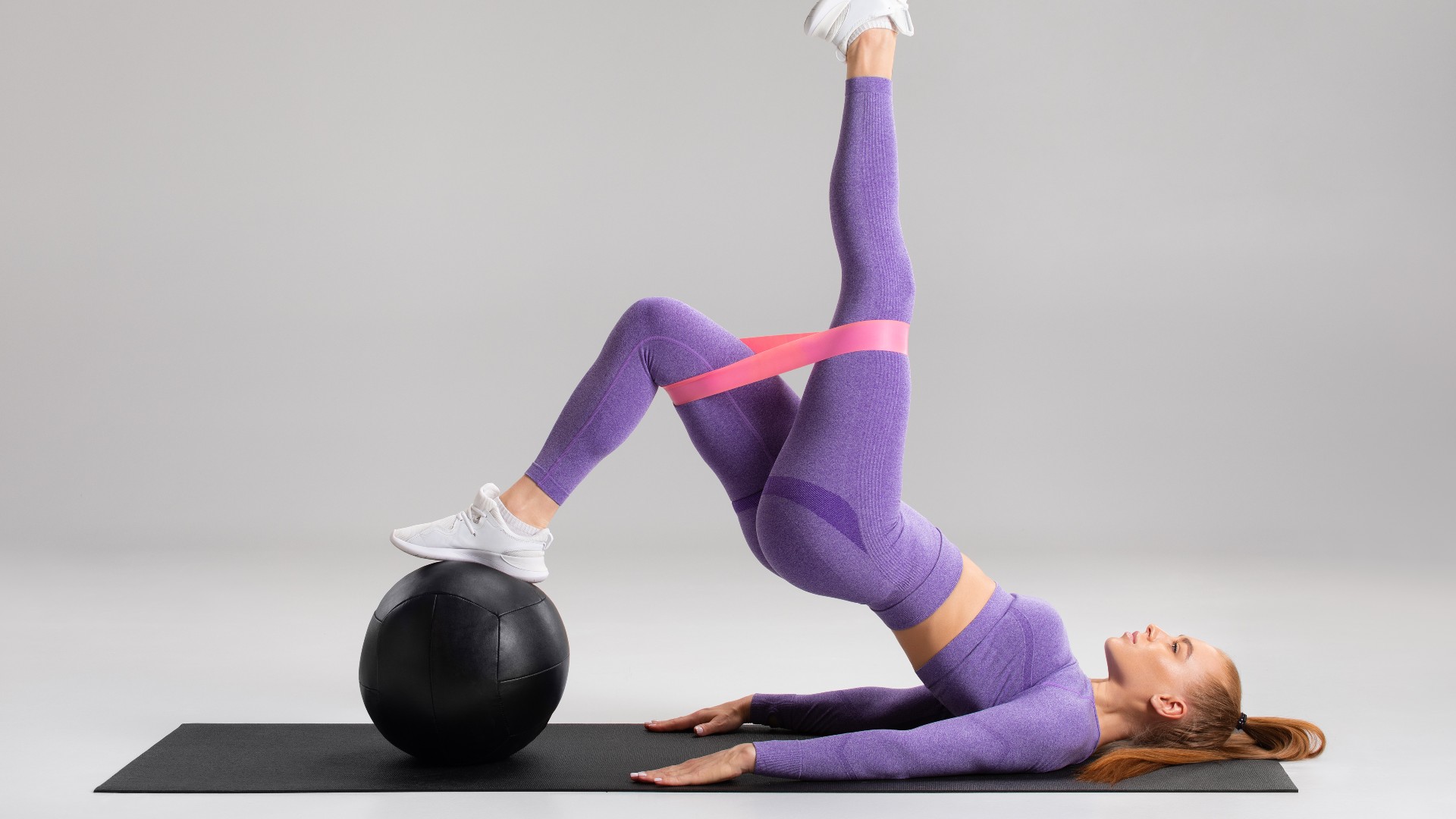
Introduction
Powerful movement doesn’t start with how much weight you lift or how fast you move—it starts with how well your muscles work together. One of the most commonly overlooked yet essential contributors to strength, speed, and stability is the glutes muscle group. Whether you’re an athlete, a gym-goer, or someone simply looking to move better and avoid pain, learning how to properly activate your glutes can dramatically improve your performance and protect your body from injury.
Many people technically “use” their glutes every day, but that doesn’t mean those muscles are firing efficiently. When glutes are underactive, other muscles step in to compensate, often leading to discomfort, poor movement mechanics, and reduced power output. Glute activation helps restore balance, improve force production, and make your movements feel stronger and more controlled.
Why Glute Activation Matters for Power and Performance
The glutes are among the largest and strongest muscles in the human body, designed to generate force and stabilize the pelvis during movement. When they activate properly, they allow you to produce more power with less strain on your joints and spine. This is critical for exercises like squats, deadlifts, lunges, jumps, and sprints—but also for everyday actions such as standing up, climbing stairs, and lifting objects.
Without proper glute activation, your body relies more heavily on the lower back, quadriceps, and hamstrings. This not only limits how much power you can generate but also increases your risk of injury. Activating the glutes before movement improves muscle coordination, enhances neuromuscular efficiency, and allows force to transfer smoothly through the body. The result is stronger, safer, and more efficient movement.
The Role of the Glutes in Everyday Movement and Sports
Glutes are constantly involved in daily life, even when you’re not exercising. Walking, running, sitting down, standing up, and maintaining posture all depend on glute engagement. In sports, the glutes are essential for acceleration, deceleration, jumping, changing direction, and maintaining balance under load.
In activities that require explosive power—such as sprinting, lifting, or jumping—the glutes act as the primary drivers of hip extension. In endurance-based activities, they help stabilize the pelvis and reduce unnecessary stress on the knees and lower back. When the glutes function well, movement feels smoother and more effortless. When they don’t, inefficiencies and compensations quickly appear.
Understanding the Glute Muscles
The glutes are not a single muscle but a group of three muscles that work together to produce strength, stability, and control at the hips. Each plays a unique role, and all three must be functioning properly for optimal movement.
Glute Maximus: Your Primary Power Generator
The gluteus maximus is the largest muscle in the body and the main driver of hip extension. It is responsible for powerful movements like standing up, climbing stairs, sprinting, and lifting heavy loads. When this muscle fires correctly, it allows you to generate force efficiently without excessive strain on the lower back.
Weak or inactive glute max muscles often lead to overuse of the lumbar spine and hamstrings. Activating the glute maximus improves strength output, posture, and spinal support during both athletic and daily movements.
Glute Medius: Stability and Pelvic Control
The gluteus medius plays a crucial role in stabilizing the pelvis, especially during single-leg movements such as walking, running, and lunging. It helps control hip rotation and prevents the knees from collapsing inward.
When the glute medius is underactive, balance suffers and the risk of knee and hip injuries increases. Strong glute medius activation improves alignment, enhances lateral stability, and supports smoother, more controlled movement patterns.
Glute Minimus: Support and Joint Alignment
The gluteus minimus is the smallest of the three but still essential. It assists the glute medius in stabilizing the hip joint and maintaining proper alignment of the femur within the hip socket. This muscle plays a subtle yet important role in joint health and movement efficiency.
If the glute minimus isn’t functioning properly, hip mechanics can become compromised, leading to compensations elsewhere in the body. Proper activation supports joint integrity and long-term movement quality.
Signs Your Glutes Are Underactive
Underactive glutes don’t always announce themselves clearly. Often, the signs show up as discomfort, reduced performance, or recurring tightness in other areas of the body.
Overworked Quads, Hamstrings, and Lower Back
When the glutes fail to activate properly, other muscles are forced to pick up the slack. The quadriceps may dominate movements like squats, the hamstrings may overwork during hip extension, and the lower back often compensates during lifting and bending. This imbalance can lead to chronic tightness, fatigue, and reduced strength gains.
Knee, Hip, and Lower Back Discomfort
Poor glute activation is a common contributor to joint discomfort. Weak or delayed glute engagement can place excess stress on the knees, hips, and lower back, increasing the risk of pain and overuse injuries. Many people experience recurring aches not because they lack strength, but because the right muscles aren’t doing their job at the right time.
Poor Balance and Reduced Explosiveness
If you struggle with balance, feel unstable during single-leg movements, or notice a lack of power in jumps and sprints, underactive glutes may be the cause. Without strong glute engagement, force production decreases and movement becomes less controlled. Activating the glutes restores stability and allows you to move with greater confidence and efficiency.
Here’s a detailed, blog-ready draft for the section you listed:
Common Causes of Poor Glute Activation
Even if you train regularly, your glutes might not be firing properly. Understanding why this happens is the first step toward correcting it. Several lifestyle and training factors can contribute to underactive glutes.
Prolonged Sitting and Sedentary Lifestyles
One of the most common reasons for weak glutes is prolonged sitting. When you sit for hours each day, your hip flexors shorten and your glutes remain in a lengthened, inactive state. Over time, this “glute inhibition” becomes habitual, making it harder for the muscles to engage when you need them.
Even active individuals can suffer from this if their daily routine involves long periods of sitting at a desk, driving, or using devices. Regularly standing, walking, and performing glute-focused activation drills can help reverse this pattern.
Improper Exercise Technique
Lifting weights or performing bodyweight exercises with poor form can prevent the glutes from working efficiently. Common mistakes include:
- Relying on the lower back or hamstrings to compensate during hip extension movements (like deadlifts or hip thrusts)
- Letting the knees collapse inward during squats or lunges
- Failing to engage the core and maintain proper pelvic alignment
Even if the exercises are physically challenging, your glutes may not be activated at all if the movement patterns aren’t correct. Proper technique and mindful engagement are essential for glute development and injury prevention.
Skipping Warm-Ups and Activation Work
Many people jump straight into their workouts without preparing the glutes to fire. Without pre-activation, the glutes can stay “asleep” while other muscles take over. Simple warm-up drills and activation exercises—like glute bridges, clamshells, or band walks—wake up the muscles and prime them for movement.
Skipping these steps limits your strength output, reduces movement efficiency, and can even increase the risk of injury. Think of glute activation as turning on the engine before driving: without it, performance suffers.
How Glute Activation Improves Power
Activating your glutes isn’t just about building bigger or stronger muscles—it directly enhances your ability to generate and apply power in every movement. Proper glute engagement ensures that your body works as an efficient, coordinated system rather than relying on compensations that limit performance.
Enhanced Strength Output
The glutes are among the largest and most powerful muscles in the body. When they are properly activated, they contribute fully to hip extension, stabilization, and force production. This means exercises like squats, deadlifts, lunges, and jumps become more effective, allowing you to lift heavier, jump higher, and move faster. Essentially, firing your glutes unlocks your true strength potential.
Better Force Transfer Through the Kinetic Chain
The human body moves in chains of connected muscles and joints, often referred to as the kinetic chain. When the glutes are underactive, other muscles—such as the lower back, hamstrings, and quads—compensate. This creates inefficient movement patterns and reduces the force transferred from your lower body to your upper body or into the ground. Proper glute activation ensures energy flows smoothly through the chain, maximizing power output while protecting joints and reducing strain.
Improved Athletic Performance and Efficiency
Strong, active glutes improve not only strength but also balance, coordination, and endurance. Whether you’re sprinting, changing direction on the field, or performing explosive lifts in the gym, your glutes stabilize the pelvis and support proper alignment. This leads to more efficient movement, faster reactions, and reduced risk of injury. Over time, consistent glute activation translates into better athletic performance across virtually all sports and functional movements.
Activating your glutes is like unlocking the body’s “power switch.” Without it, strength, explosiveness, and efficiency remain limited, no matter how much you train.
How to Perform Activation Exercises Correctly
Doing glute activation drills isn’t enough — how you do them matters. Proper execution primes the nervous system, teaches correct movement patterns, and ensures the glutes (not substitutes) are doing the work. Below is a practical, coach-friendly guide you can drop straight into your blog.
Mind–Muscle Connection Techniques
- Slow it down. Perform the first few reps slowly and deliberately so you feel the glute contract before adding speed or resistance.
- Pre-contraction cue. Before a movement (e.g., a bridge), think “squeeze my butt” and hold a light contraction for 1–2 seconds, then complete the rep.
- Tactile feedback. Lightly place a hand on the glute to feel it working. The sensation helps the brain link the intention to actual muscle activity.
- Visualize the movement. Picture the hip extending from the posterior chain (not the lower back). Visual cues help shift effort into the glutes.
- Use small loads/bands. Mini-bands and bodyweight force the glutes to stabilize rather than letting momentum or larger muscles dominate.
- Breath–movement pairing. Exhale while performing the concentric (squeezing) part of the exercise — it often improves tension and focus.
Common Mistakes to Avoid
- Using momentum. Jerky, fast reps or hip thrusts that rely on bounce will recruit less glute and more passive structures. Slow, controlled reps produce better activation.
- Hyper-extending the lumbar spine. Letting the lower back do the hip extension (arching) reduces glute engagement and increases spinal stress. Keep a neutral spine and drive from the hips.
- Hamstrings taking over. If you feel the hamstrings burning long before the glutes, reduce range/resistance and focus on the squeeze at the top. Cue “push through the heels” to shift emphasis to glutes.
- Knee collapse or valgus. Letting the knees fall inward during single-leg work or band walks reduces glute medius activation. Actively press the knee slightly outward.
- Forgetting pelvic position. posterior/anterior pelvic tilt changes length-tension; aim for a neutral pelvis so the glutes sit at an optimal length to produce force.
- Skipping progressive challenge. Once activation is solid with bodyweight, don’t keep doing only easy drills forever — progress load, complexity, or integrate into movement patterns.
Reps, Tempo, and Rest Guidelines
- Sets & reps (activation phase): 1–3 sets of 8–20 reps depending on the drill. Higher reps (12–20) work well for low-load endurance-style activation; lower reps (6–10) suit heavier or tension-focused drills.
- Tempo: Slow-to-moderate tempo works best for learning activation. Example: 2s concentric (squeeze) — 1s hold at peak — 2s eccentric (release). For explosive carries into dynamic work, you can shorten to 1:0:1 once the pattern is solid.
- Isometric holds: Use 2–5 second holds (e.g., top of a glute bridge or single-leg RDL) to reinforce the squeeze. One or two holds per set is effective.
- Rest between activation sets: Short rests — 15–60 seconds. Activation is about neuromuscular priming, not metabolic fatigue. Keep rest long enough to reproduce high-quality reps.
- Frequency: Include short activation sequences every workout (especially before heavy hip-dominant lifts) — 3–5 minutes is usually sufficient. If you’re rehabbing or re-training patterns, you might do slightly more throughout the day.
Simple Practice Progression (example)
- Cue + awareness: 30–60 seconds of glute squeezes lying down (isometric).
- Low-load patterning: 2 sets × 12 banded lateral walks or clamshells, 2s:1s:2s tempo.
- Load & integrate: 2 sets × 8–12 glute bridges or single-leg RDLs with light weight, 2s:1s:2s tempo and a 2s hold.
- Transfer into movement: One set of 3–5 slow, focused squats or hip thrusts before your working sets — emphasize the glute squeeze at peak.
How to Check You’re Doing It Right
- Feel the glute contract (not just the hamstring or low back). Put a hand on the muscle — you should feel firming under your palm.
- Movement quality: Less lumbar motion, more hip motion. Your pelvis remains stable.
- Single-leg stability: Improved balance and less hip drop during single-leg tasks.
- Performance carryover: Heavier lifts, better sprint feels, or stronger jumps after a week of consistent activation work.
Conclusion
Glute activation is more than just a warm-up step—it’s a foundational practice that transforms how your body moves. By consistently waking up your glutes, you ensure that these powerful muscles are doing what they were designed to do: generating force, stabilizing the pelvis, and protecting your joints.
Making Glute Activation a Consistent Habit
Like any skill, proper glute activation improves with practice. Incorporate short activation sequences before your workouts, during rehab sessions, or even as part of a quick daily routine. Over time, your body will naturally recruit the glutes during squats, jumps, lifts, and everyday movements, making “switching them on” effortless.
Unlocking Long-Term Power, Stability, and Performance
When your glutes are active and strong, every movement becomes more efficient, controlled, and powerful. You’ll notice improvements in athletic performance, reduced risk of injury, better posture, and less compensatory strain on the lower back and knees. Activating your glutes consistently isn’t just about building muscle—it’s about unlocking your body’s full potential for strength, stability, and longevity.
💡 Pro Tip: Start small. Even 3–5 minutes of focused glute activation before each workout adds up over time, creating long-term strength and movement quality you’ll actually feel in every lift, run, or jump.