 By StretchToStrength.blog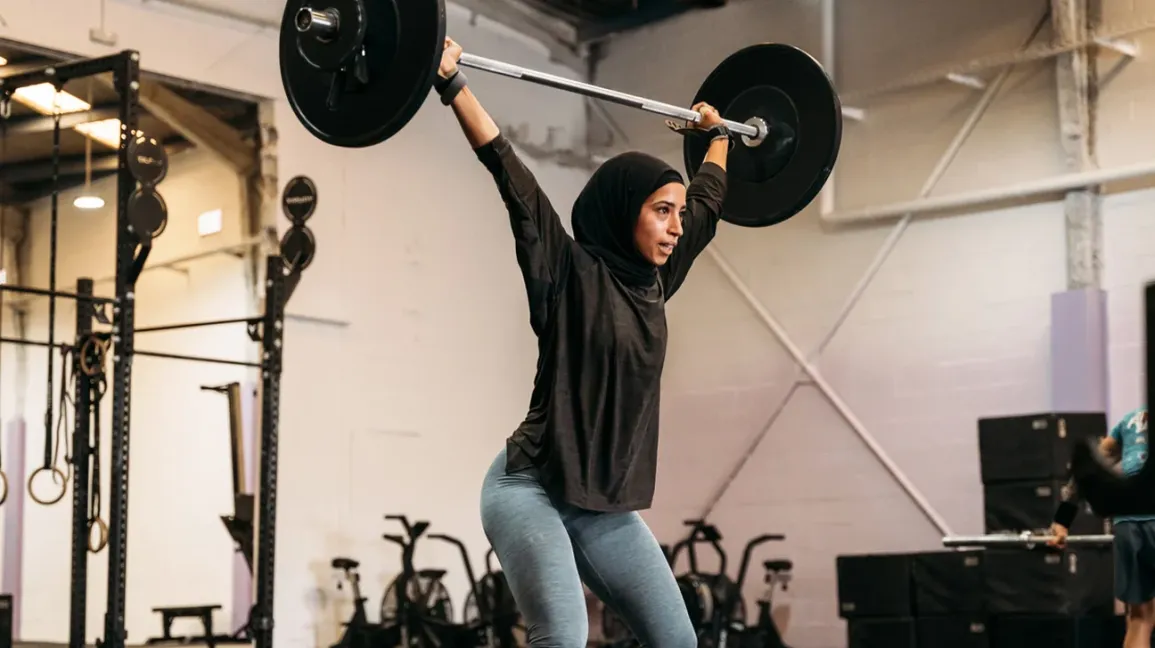
Introduction: Rethinking Strength Training
For decades, strength training has been defined by one dominant idea: lifting heavier weights to build stronger muscles. Gyms, programs, and even fitness culture itself have revolved around numbers—how much you can squat, press, or deadlift. Stretching, on the other hand, was often treated as an afterthought: something optional, boring, or reserved for warm-ups and cool-downs.
Today, that view is rapidly changing.
Modern research, real-world performance results, and long-term health outcomes are all pointing to the same conclusion: true strength cannot exist without mobility and flexibility. The strongest bodies are not just powerful—they are adaptable, resilient, and capable of producing force through full ranges of motion. This shift has given rise to a new philosophy: strength through stretching.
Rather than seeing flexibility as the opposite of strength, this approach recognise it as a foundation for sustainable power, joint health, and lifelong movement.
Why Flexibility Is No Longer Optional
In today’s world, most people spend hours sitting, staring at screens, and moving far less than their bodies were designed to. Tight hips, stiff spines, restricted shoulders, and shortened muscles are no longer exceptions—they are the norm. Trying to build strength on top of these limitations is like constructing a building on an unstable foundation.
When flexibility is neglected:
- Muscles lose their ability to generate force efficiently
- Joints compensate with poor mechanics
- Injury risk increases as stress concentrates in limited ranges
- Strength gains plateau earlier than expected
Flexibility is no longer just about touching your toes. It’s about having usable range of motion you can control and load. Without it, strength training becomes incomplete—and often unsafe.
Athletes, coaches, and physical therapists now recognize that strength expressed through limited movement is fragile. In contrast, strength developed alongside flexibility allows the body to move fluidly, absorb force, and adapt to unpredictable demands. Whether you’re lifting weights, playing sports, or simply aging well, flexibility has become a non-negotiable component of real strength.
The Evolution of Modern Strength Training
Traditional strength training focused almost exclusively on muscle size and maximal force output. Early programs emphasized rigid technique, fixed ranges of motion, and linear progression. While effective for building raw power, this approach often ignored how the body actually moves in daily life or sport.
Modern strength training has evolved to include:
- Functional movement patterns
- Joint-specific mobility
- Eccentric and isometric loading
- Strength at end ranges of motion
This evolution reflects a deeper understanding of human biomechanics and nervous system control. Strength is no longer measured only by how much weight you lift, but by how well you can move under load. Stretch-based strength methods, such as loaded stretching and controlled end-range training, are now used by elite athletes and rehabilitation specialists alike.
The result is a more balanced, adaptable form of strength—one that lasts longer and performs better.
The Traditional View: Strength vs. Stretching
For many years, strength and stretching were treated as opposing forces. Strength training was about tightening and contracting muscles, while stretching was believed to loosen them. This false dichotomy shaped training programs, gym culture, and even scientific assumptions.
Stretching was often pushed to the sidelines because it didn’t look “hard” or measurable. Strength was visible—bigger muscles, heavier weights—while flexibility gains were subtle and harder to quantify. As a result, many lifters skipped stretching entirely or used it only as a recovery tool.
This separation created a mindset where people believed they had to choose between being strong or being flexible. In reality, the human body was never designed to function that way.
How Strength and Flexibility Were Separated
The separation of strength and flexibility came largely from early bodybuilding and powerlifting cultures, where muscle size and maximal strength were the primary goals. Limited ranges of motion were often encouraged to lift heavier weights, reinforcing stiffness rather than mobility.
At the same time, stretching became associated with disciplines like yoga and gymnastics—fields seen as unrelated to strength sports. This cultural divide made it seem as though flexibility belonged in a different world altogether.
Over time, this split created generations of strong-but-stiff athletes and flexible-but-weak movers, neither of whom reached their full physical potential.
Common Myths About Stretching and Strength Loss
One of the biggest barriers to integrating stretching into strength training is fear—specifically, the fear that stretching will make you weaker. Several myths continue to circulate:
- Myth 1: Stretching makes muscles loose and unstable
In reality, controlled stretching improves joint stability by strengthening muscles at longer lengths. - Myth 2: Flexible muscles can’t produce power
Research shows that muscles trained through full ranges can generate more force, not less. - Myth 3: Stretching before training ruins performance
While passive stretching alone may reduce short-term output, active and loaded stretching enhances strength when used correctly.
As these myths fade, a clearer picture emerges: stretching isn’t the enemy of strength—it’s one of its greatest allies.
What Does “Strength Through Stretching” Really Mean?
“Strength through stretching” is not about becoming loose, passive, or overly flexible. It’s about developing usable strength at longer muscle lengths—the kind of strength that allows you to move powerfully, safely, and efficiently through full ranges of motion.
Traditional strength training often emphasizes the middle portion of a movement, where muscles feel strongest. Stretch-based strength shifts focus toward the end ranges—positions where muscles are lengthened and typically weaker. Training these positions transforms flexibility from a passive quality into an active, strength-based one.
Defining Lengthened Strength
Lengthened strength refers to a muscle’s ability to produce and control force while it is in a stretched position. Instead of losing tension as a muscle lengthens, the goal is to maintain—and even increase—strength at that longer length.
For example:
- Strong hamstrings at the bottom of a hinge
- Strong hips in a deep squat
- Strong shoulders in an overhead position
This type of strength is crucial for real-world movement, where the body rarely operates in perfectly shortened or ideal positions. Falls, sudden direction changes, and athletic movements all demand strength when muscles are stretched.
By training lengthened positions, you reduce weak links in the body and build resilience where injuries are most likely to occur.
How Muscles Generate Force at Longer Ranges
Muscles don’t suddenly “turn off” when they lengthen. In fact, force production is influenced by both muscle fibers and connective tissues. When trained correctly, muscles can generate significant tension even in stretched positions.
At longer ranges:
- Muscle fibers are under higher mechanical tension
- Tendons and fascia contribute to force transmission
- The nervous system learns to recruit fibers more efficiently
Stretch-based strength training improves coordination between these systems. Over time, the body becomes more comfortable producing force in positions that once felt weak or unstable.
This is why people often feel stronger and more confident after mobility-focused strength training—even without adding heavy external loads.
The Science Behind Stretch-Based Strength
The effectiveness of strength through stretching is not a trend—it’s grounded in well-established principles of biomechanics and neuromuscular science. Three key mechanisms explain why this approach works.
Muscle Length–Tension Relationship
The length–tension relationship describes how a muscle’s ability to produce force changes depending on its length. Muscles generate peak force within an optimal range, but they are capable of adapting beyond that range when trained.
Stretch-based training shifts this curve. By consistently loading muscles at longer lengths, the body adapts by:
- Adding sarcomeres in series
- Improving connective tissue tolerance
- Expanding the range where force can be produced
This adaptation results in muscles that are not only longer, but stronger across a broader spectrum of movement.
Eccentric Loading and Strength Gains
Eccentric contractions—where a muscle lengthens under load—are a cornerstone of stretch-based strength. Examples include lowering into a squat, descending a pull-up, or controlling a hinge.
Eccentric loading:
- Produces high levels of mechanical tension
- Stimulates muscle growth and strength efficiently
- Builds resilience in connective tissues
Because the body can handle more load eccentrically than concentrically, these movements allow you to build strength with less joint strain. This makes stretch-based strength especially valuable for longevity and injury prevention.
Nervous System Adaptations
Strength isn’t just about muscles—it’s about how the nervous system controls them. Stretch-based training improves the brain’s ability to:
- Tolerate tension at longer ranges
- Coordinate muscles around a joint
- Reduce protective inhibition caused by stiffness or fear
As the nervous system becomes more comfortable in stretched positions, movements feel smoother, stronger, and more stable. This neurological adaptation is a major reason flexibility gains often stall when stretching is passive but accelerate when strength is added.
Why Stretching Can Make You Stronger
When stretching is combined with intention, control, and load, it becomes a powerful strength-building tool. Rather than weakening muscles, it enhances their function.
Improved Muscle Activation
Stretch-based strength training improves the body’s ability to activate muscles fully. When muscles are trained at longer lengths, more fibers are recruited, especially those that are often underused.
This leads to:
- Better coordination
- More balanced muscle development
- Increased force output in complex movements
Many people discover new strength simply by improving how their muscles activate—not by adding more weight.
Increased Range of Motion Under Load
Flexibility alone allows you to access a range of motion. Strength allows you to control it. Stretch-based training builds active range of motion, meaning you can move into deep positions and come out of them with confidence.
This translates directly to:
- Deeper, safer squats
- Stronger hinges and presses
- More efficient athletic movement
The body becomes capable, not just flexible.
Reduced Injury Risk and Joint Stress
Injuries often occur at the extremes of movement—where muscles are lengthened and unprepared to handle force. Stretch-based strength training addresses this problem directly.
By strengthening muscles at end ranges:
- Joints experience less stress
- Load is distributed more evenly
- Sudden movements are better absorbed
This creates joints that are not only mobile, but protected.
Mobility vs. Flexibility vs. Strength
These terms are often used interchangeably, but they represent distinct—and complementary—qualities.
- Flexibility is the ability to passively reach a range of motion.
- Mobility is the ability to actively control that range.
- Strength is the ability to produce force within that range.
True physical capability lies where all three overlap.
Key Differences Explained
A person may be flexible but lack strength, leading to instability. Another may be strong but immobile, leading to stiffness and compensation. Mobility bridges the gap by adding control.
Stretch-based strength training integrates all three:
- Flexibility creates access
- Mobility builds control
- Strength ensures resilience
How They Work Together for Optimal Performance
When flexibility, mobility, and strength are trained together, movement becomes efficient, powerful, and sustainable. The body no longer fights against its own limitations.
This integrated approach allows you to:
- Move freely without sacrificing power
- Train harder with less wear and tear
- Build strength that lasts a lifetime
Strength through stretching is not a compromise—it’s an upgrade.
Stretching Methods That Build Strength
Not all stretching builds strength. Passive, relaxed stretching may improve short-term flexibility, but it does little to develop force, control, or resilience. Strength through stretching requires intentional methods that apply tension, load, and control to muscles at longer lengths. The following techniques form the foundation of stretch-based strength training.
Loaded Stretching
Loaded stretching involves applying resistance while a muscle is in a lengthened position. Instead of relaxing into a stretch, you actively hold or move through it while under load.
Examples include holding a weight in the bottom of a squat or supporting bodyweight in a deep lunge. The load forces muscles to stay engaged, teaching them to generate strength where they are typically weakest.
Benefits of loaded stretching include:
- Increased strength at end ranges
- Improved connective tissue tolerance
- Long-term flexibility that doesn’t disappear
This method is especially effective for building durability in joints and tendons, making it ideal for both performance and longevity training.
Eccentric Stretching
Eccentric stretching focuses on the lowering phase of a movement, where muscles lengthen under control. This could be slowly lowering into a stretch or resisting gravity as you descend into a deeper position.
Eccentric work:
- Produces high mechanical tension
- Stimulates muscle growth efficiently
- Builds control and resilience
Because eccentrics allow for greater force with less perceived effort, they are a powerful tool for increasing both strength and flexibility simultaneously.
Isometric Holds at End Ranges
Isometric training at end ranges involves holding a position where the muscle is stretched while maintaining tension. Unlike passive holds, these positions require active engagement.
Holding a deep squat, a split squat stretch, or an overhead shoulder position challenges muscles to stabilize joints while lengthened.
Isometric end-range holds:
- Improve joint stability
- Teach the nervous system safety in stretched positions
- Increase active range of motion
These holds are especially useful for reinforcing new flexibility gains and preventing the body from reverting to stiffness.
Dynamic Mobility Drills
Dynamic mobility drills combine controlled movement, stretch, and strength in a fluid pattern. Instead of holding a stretch, you move in and out of deeper ranges with intention.
These drills:
- Prepare the body for loaded movement
- Improve coordination and control
- Enhance movement quality
Dynamic mobility acts as the bridge between stretching and strength training, making it ideal for warm-ups and movement preparation.
Key Muscles That Benefit Most From Stretch-Based Strength
While all muscles benefit from strength at longer lengths, certain areas of the body show dramatic improvements when trained this way. These muscles are commonly tight, overused, or injury-prone.
Hips and Glutes
The hips are central to almost every movement pattern—walking, lifting, running, and sitting. Limited hip mobility often leads to compensation in the lower back and knees.
Stretch-based strength training:
- Improves deep hip stability
- Enhances power in squats and hinges
- Reduces stress on surrounding joints
Strong, mobile hips form the foundation for efficient lower-body movement.
Hamstrings and Quads
Hamstrings and quads are frequently strained because they’re asked to produce force at long lengths without adequate preparation.
Training them in stretched positions:
- Builds resilience against strains
- Improves sprinting, hinging, and squatting mechanics
- Enhances coordination between opposing muscle groups
Lengthened strength in the legs leads to smoother, more powerful movement.
Shoulders and Upper Back
Modern lifestyles create stiff shoulders and weak upper backs. Overhead positions often feel unstable or restricted.
Stretch-based strength:
- Improves overhead control
- Strengthens rotator cuff and scapular muscles
- Enhances posture and pressing mechanics
Strong shoulders at end ranges are critical for pain-free upper-body training.
Spine and Core
The spine is designed to move, not remain rigid. Stretch-based strength training teaches the core to stabilize while allowing controlled motion.
Benefits include:
- Improved spinal resilience
- Reduced lower back stress
- Better force transfer through the body
A strong, mobile spine supports every other movement.
Stretch-Strength Exercises You Can Start Today
You don’t need complex equipment or advanced programming to begin. These foundational exercises introduce stretch-based strength safely and effectively.
Deep Squat Holds
Holding a deep squat position builds strength in the hips, quads, ankles, and core simultaneously. Focus on staying upright, breathing steadily, and maintaining tension.
This exercise improves:
- Hip and ankle mobility
- Lower-body stability
- Comfort in deep positions
Jefferson Curls
Jefferson curls train spinal control under load through a controlled, segment-by-segment movement. Using light weight, you slowly move through spinal flexion and extension.
They:
- Build strength in the hamstrings and spine
- Improve awareness and control
- Reduce fear of loaded spinal movement
Split Squat Stretches
Split squat stretches combine a deep hip stretch with active leg strength. Lower slowly and hold tension in the bottom position.
This exercise:
- Strengthens hips and quads at long lengths
- Improves balance and coordination
- Transfers well to running and lifting
Overhead Shoulder Mobility Drills
These drills involve reaching overhead with control, often using light weights or bands. The focus is on maintaining stability while exploring full shoulder range.
They:
- Improve overhead strength
- Enhance shoulder health
- Reduce strain during pressing movements
How to Program Stretching for Strength Gains
To get real results, stretch-based strength must be programmed strategically—not randomly added at the end of workouts.
When to Stretch During Workouts
- Warm-up: Use dynamic mobility drills to prepare joints and activate muscles
- Main session: Include loaded or eccentric stretching within strength exercises
- Finish: Use isometric end-range holds to reinforce new ranges
This structure ensures stretching supports strength rather than competing with it.
Frequency and Duration Guidelines
Stretch-based strength can be trained:
- 3–5 times per week for most individuals
- With holds lasting 20–60 seconds
- Using light to moderate loads initially
Consistency matters more than intensity when building lengthened strength.
Progression Strategies
Progression doesn’t always mean adding weight. You can progress by:
- Increasing time under tension
- Moving deeper into ranges
- Improving control and stability
- Adding light load gradually
The goal is to build confidence and strength in stretched positions—not to rush the process.
When programmed correctly, stretching stops being a recovery tool and becomes a primary driver of strength, resilience, and long-term performance.
Conclusion: The Future of Strength Training
Strength training is no longer just about lifting heavier weights or pushing the body harder. As our understanding of human movement evolves, it’s becoming clear that true strength is about adaptability, control, and resilience. The future of strength training lies in approaches that respect how the body is designed to move—and stretching has emerged as a central piece of that puzzle.
Why Stretching Is the Missing Link
For years, many training programs focused on strength and conditioning while overlooking what happens at the edges of movement. Muscles were trained where they felt strongest, not where they were most vulnerable. Stretching fills this gap.
When stretching is combined with load, control, and intention, it:
- Builds strength at longer muscle lengths
- Improves joint health and movement efficiency
- Reduces injury risk by preparing the body for real-world demands
Stretching is no longer just about relaxation or recovery. It becomes the bridge between flexibility and strength—the element that turns passive range of motion into usable, protective power. Without it, strength remains incomplete and fragile. With it, strength becomes robust, transferable, and long-lasting.
Final Thoughts on Training Smarter, Not Harder
Training smarter doesn’t mean doing less—it means doing what matters most. Instead of constantly adding more weight, more volume, or more intensity, the stretch-based approach focuses on quality of movement, control, and sustainability.
Strength through stretching allows you to:
- Move better while getting stronger
- Protect your joints as your strength increases
- Maintain performance as you age
This approach shifts the goal from short-term gains to lifelong capability. It recognizes that the strongest bodies aren’t just powerful—they’re mobile, balanced, and resilient.
By embracing stretching as a strength-building tool, you’re not taking a step back from progress. You’re stepping into the future of training—where strength is built not just by force, but by freedom of movement and intelligent design.