 By StretchToStrength.blog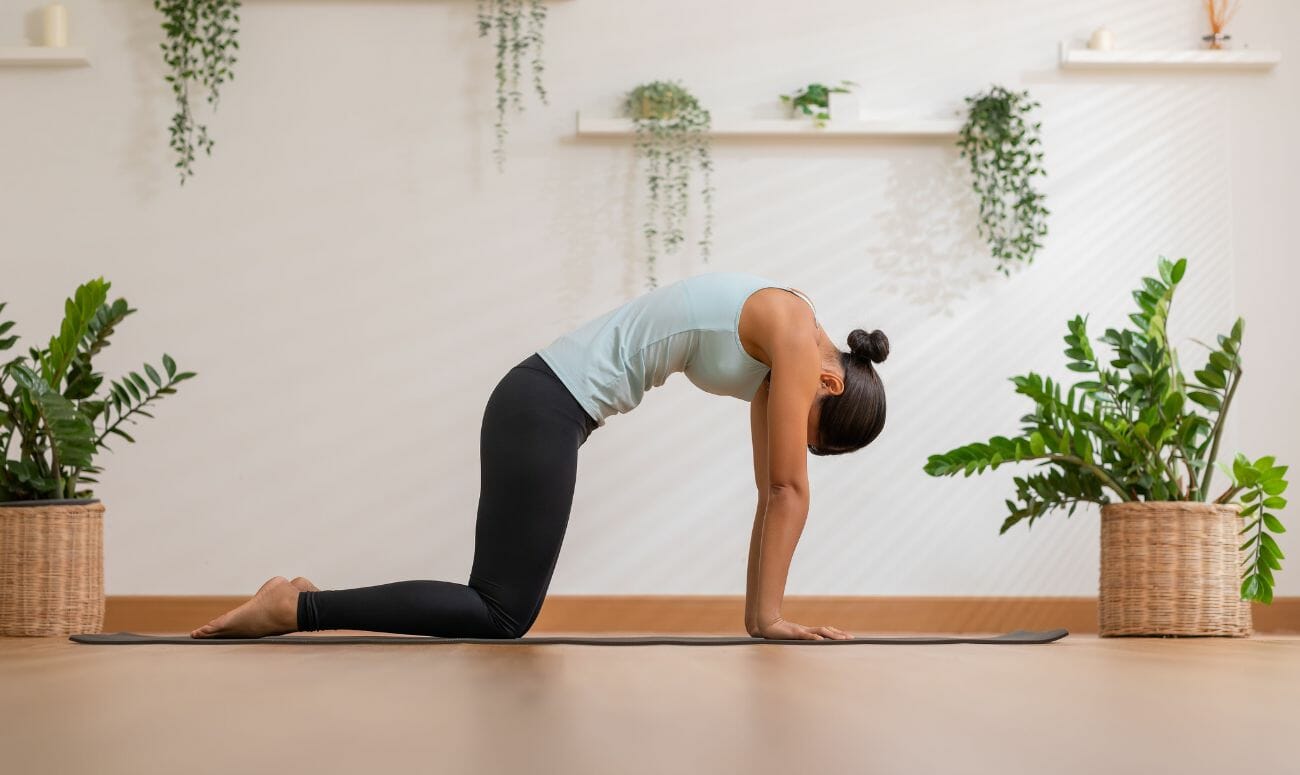
Introduction
The Connection Between Posture and Chronic Pain
Posture plays a far greater role in chronic pain than most people realize. How you sit, stand, walk, and even breathe determines how forces are distributed throughout your body. When posture is balanced, muscles and joints share the workload efficiently. When posture is poor, certain tissues are overloaded while others become weak or underused—setting the stage for long-term discomfort and pain.
Chronic pain in the neck, shoulders, lower back, hips, and even knees is often linked to habitual postural patterns rather than a single injury. Slouching at a desk, craning the neck toward a phone, or standing with uneven weight distribution may feel harmless in the moment, but repeated daily, these positions gradually alter muscle function and joint alignment. Over time, the body adapts to these stressed positions, making pain feel “normal” rather than a warning sign.
Why Posture Problems Are So Common Today
Modern lifestyles almost guarantee postural challenges. Long hours spent sitting, increased screen time, and reduced natural movement all contribute to dysfunctional posture. Many people sit more than they move, often in chairs that encourage slumping and head-forward positions. Smartphones and laptops further reinforce rounded shoulders and neck strain.
In addition, stress and fatigue affect posture more than we think. When the nervous system is under constant stress, the body tends to collapse inward—shoulders rise, breathing becomes shallow, and core support weakens. Over months or years, these subtle changes accumulate, making poor posture not just common, but deeply ingrained.
Understanding Posture
What Good Posture Really Means
Good posture is not about sitting rigidly straight or forcing your shoulders back all day. In fact, excessive tension can be just as harmful as slouching. True good posture is relaxed, adaptable, and supported by balanced muscle engagement.
At its core, good posture allows the body to maintain alignment with minimal effort. The head is stacked over the shoulders, the ribcage sits comfortably over the pelvis, and the spine maintains its natural curves. This alignment reduces unnecessary strain and allows movement to feel smoother and more efficient.
Neutral Spine Explained
The concept of a neutral spine is central to healthy posture. A neutral spine maintains the natural curves of the neck (cervical), upper back (thoracic), and lower back (lumbar). These curves act like shock absorbers, helping the spine handle daily loads and movements.
When the spine is forced into excessive rounding or arching, these natural curves are distorted. This shifts stress to muscles, discs, and joints that are not designed to handle it long-term. Finding a neutral spine doesn’t mean holding one fixed position—it means returning to a balanced baseline that supports movement and reduces strain.
Static vs. Dynamic Posture
Static posture refers to how you hold your body when you’re not moving—such as sitting at a desk or standing in line. Dynamic posture, on the other hand, is how your body aligns during movement, including walking, lifting, or exercising.
While static posture matters, dynamic posture is even more important. The human body is designed to move, not remain frozen in “perfect” alignment. Frequent movement, posture changes, and gentle adjustments throughout the day reduce stiffness and improve circulation. The best posture is often the next posture—one that allows variation rather than rigid control.
How Poor Posture Leads to Chronic Pain
Muscle Imbalances and Overuse
Poor posture creates muscle imbalances by overworking some muscles while leaving others underactive. For example, forward head posture often tightens the neck and chest muscles while weakening the deep neck flexors and upper back. Over time, overworked muscles become fatigued and painful, while weak muscles fail to provide adequate support.
These imbalances disrupt normal movement patterns, making everyday activities—like reaching, bending, or sitting—more stressful on the body. Pain becomes chronic not because of damage, but because the body is constantly compensating.
Joint Compression and Nerve Irritation
When posture is misaligned, joints no longer move through their optimal range. This can lead to excessive compression in areas such as the spine, shoulders, or hips. Compressed joints reduce space for nerves, increasing the risk of irritation or numbness, tingling, and radiating pain.
Over time, joint compression can accelerate wear and tear, contributing to stiffness and reduced mobility. Pain may appear gradually, making it difficult to pinpoint posture as the underlying cause.
The Role of Fascia and Connective Tissue
Fascia is the connective tissue that surrounds muscles, organs, and joints, forming a continuous network throughout the body. Poor posture places uneven tension on this network, causing certain areas to become stiff and restricted.
When fascia loses its elasticity, movement becomes limited and discomfort increases. Tight fascial lines can transmit tension far from the original source, which is why postural issues in one area—such as the hips—can contribute to pain elsewhere, like the lower back or shoulders.
Postural Stress and Inflammation
Chronic postural stress can trigger low-grade inflammation in muscles and connective tissues. This inflammation sensitizes pain receptors, making the body more reactive to even small stresses. As a result, movements that once felt easy may start to feel uncomfortable or painful.
Without addressing the underlying postural habits, inflammation can persist, reinforcing a cycle of pain, tension, and reduced movement. Improving posture helps break this cycle by restoring balance, reducing unnecessary strain, and allowing tissues to recover.
Common Postural Problems and Their Pain Patterns
Postural issues rarely affect just one area of the body. Because the body functions as an interconnected system, a single misalignment can trigger compensations elsewhere, leading to widespread discomfort. Understanding common postural patterns and the types of pain they create is an important step toward long-term relief.
Forward Head Posture and Neck Pain
Forward head posture occurs when the head sits in front of the shoulders rather than stacked directly over them. This position significantly increases the load on the neck. For every inch the head moves forward, the neck muscles must support several extra kilograms of weight.
Over time, this excessive demand leads to tightness in the upper neck and shoulders, weakness in the deep neck stabilizers, and reduced mobility in the upper back. People with forward head posture often experience chronic neck pain, stiffness, headaches, and tension between the shoulder blades. In more severe cases, nerve irritation can cause tingling or pain that radiates into the arms.
Rounded Shoulders and Upper Back Pain
Rounded shoulders typically accompany forward head posture and are often caused by prolonged sitting, poor desk ergonomics, and limited upper-body movement. In this posture, the chest muscles become shortened while the muscles of the upper back and shoulders become lengthened and weak.
This imbalance reduces shoulder stability and alters how the shoulder joints move. As a result, individuals may experience upper back discomfort, shoulder tightness, and pain during overhead movements. Over time, rounded shoulders can contribute to reduced breathing capacity and increased strain on the neck and upper spine.
Excessive Lumbar Arch (Anterior Pelvic Tilt)
An excessive lumbar arch, commonly known as anterior pelvic tilt, occurs when the pelvis tilts forward, increasing the curve in the lower back. This pattern is often associated with prolonged sitting, tight hip flexors, and weak abdominal and glute muscles.
Anterior pelvic tilt places constant compression on the lumbar spine, which can lead to lower back pain, stiffness, and fatigue during standing or walking. It may also affect hip mechanics, contributing to discomfort during exercise and increasing the risk of overuse injuries in the hips and knees.
Flat Lower Back and Disc Stress
A flat lower back posture occurs when the natural curve of the lumbar spine is reduced or lost entirely. This is commonly seen in people who sit for long periods while slouching or who overly brace their core without allowing natural spinal movement.
When the lumbar curve flattens, shock absorption is reduced, placing increased stress on spinal discs. This can lead to disc irritation, stiffness, and discomfort during prolonged sitting or bending. Individuals with a flat lower back may also notice limited mobility and a feeling of rigidity through the spine.
Uneven Hips and Leg Length Imbalances
Uneven hips occur when one side of the pelvis sits higher or rotates differently than the other. This may be caused by muscle imbalances, previous injuries, habitual weight shifting, or structural leg length differences.
When the pelvis is uneven, the spine compensates by curving or rotating, which can lead to lower back pain, hip discomfort, and knee strain. Over time, this asymmetry may affect walking patterns and increase wear on joints. Pain is often felt on one side of the body, making the issue easy to overlook until it becomes chronic.
Posture-Focused Exercises and Stretches
Correcting posture isn’t about holding yourself rigidly in one position—it’s about restoring balance, mobility, and strength so your body can support itself naturally. The following exercises and stretches target the most common postural problem areas while encouraging healthy movement patterns. Perform them slowly, with control, and without forcing range of motion.
Neck and Upper Back Mobility Drills
Poor posture often begins in the neck and upper back, where stiffness limits natural movement and increases strain. Improving mobility in these areas reduces tension and helps the head return to a more neutral position.
Gentle neck movements such as controlled chin tucks, slow head rotations, and side bends help activate deep stabilizing muscles while reducing overactivity in the upper traps. These should be performed with a focus on length rather than force.
For the upper back, thoracic mobility drills are especially effective. Seated or standing thoracic rotations, cat–cow movements, and upper-back extensions over a chair or foam roller encourage spinal flexibility and improve posture during sitting and standing. As the upper back regains movement, neck tension often decreases naturally.
Shoulder Opening and Scapular Stability
Rounded shoulders and upper back pain are commonly linked to tight chest muscles and weak scapular stabilizers. Opening the front of the body while strengthening the muscles that support the shoulder blades is key to restoring healthy alignment.
Chest-opening stretches, such as doorway stretches or gentle arm-behind-the-back stretches, help counteract prolonged forward-rounded positions. These should feel expansive, not aggressive.
To improve scapular stability, focus on slow, controlled movements that encourage shoulder blade awareness. Exercises like wall slides, band pull-aparts, and scapular retractions help retrain the shoulders to sit back and down without excessive tension. Improved shoulder stability reduces neck strain and enhances overall posture during daily activities.
Hip Flexor and Hamstring Stretching
The pelvis plays a central role in posture, particularly in sitting-dominant lifestyles. Tight hip flexors and hamstrings often pull the pelvis out of alignment, contributing to lower back discomfort.
Hip flexor stretches performed in a half-kneeling or standing position help reduce excessive lumbar arching. The emphasis should be on lengthening the front of the hips while maintaining a neutral spine rather than arching the lower back.
Hamstring stretching supports pelvic balance and spinal movement. Gentle hamstring stretches—performed lying down or seated with an upright torso—allow the hips to move freely without placing strain on the lower back. Balanced flexibility in these muscles reduces compensations and improves posture during standing and walking.
Spine-Friendly Yoga Poses
Yoga offers an effective, mindful way to improve posture when poses are performed with awareness and proper alignment. Spine-friendly poses encourage mobility, strength, and relaxation without forcing extreme positions.
Poses such as Mountain Pose help build postural awareness and balance, teaching the body to stack joints efficiently. Cat–Cow improves spinal flexibility and coordination, while Cobra or Sphinx Pose gently strengthens the back muscles and encourages healthy spinal extension.
Child’s Pose allows the spine to decompress and relax, especially after prolonged sitting. When practiced consistently, these poses promote better alignment, reduce stiffness, and improve the body’s ability to maintain good posture throughout the day.
Daily Habits That Damage Posture
Posture is shaped less by exercise alone and more by what you do repeatedly every day. Even the best corrective routines can be undone by habits that place constant stress on the body. Identifying and adjusting these daily behaviors is essential for reducing chronic pain and improving long-term alignment.
Prolonged Sitting and Screen Time
Extended sitting is one of the biggest contributors to poor posture. When sitting for long periods, the body naturally collapses into a slouched position—hips roll back, the lower back flattens, shoulders round forward, and the head drifts ahead of the torso. Over time, this position becomes the body’s default.
Screen time amplifies this issue. Laptops and monitors placed too low encourage forward head posture and upper back rounding. Muscles that should support posture become underactive, while others remain constantly tense. Breaking up sitting with regular movement, even brief standing or stretching, is crucial for protecting spinal health.
Phone Use and “Text Neck”
Smartphone use has introduced a unique postural problem known as “text neck.” When the head tilts forward to look at a phone, the load on the neck increases dramatically. This places constant strain on cervical muscles and compresses joints in the upper spine.
Repeated phone use in this position leads to chronic neck pain, stiffness, headaches, and shoulder tension. Over time, it reinforces forward head posture even when the phone is not in use. Raising the phone closer to eye level and limiting continuous screen time can significantly reduce this strain.
Poor Sleep Positions
Posture doesn’t stop mattering when you sleep. Poor sleep positions can keep the spine in awkward alignment for hours, contributing to morning stiffness and chronic discomfort.
Sleeping on the stomach often forces the neck into prolonged rotation and increases lower back arching. Side sleeping without proper pillow support can cause the neck and hips to collapse out of alignment. The goal during sleep is to keep the spine as neutral as possible, allowing muscles and joints to fully relax and recover.
Carrying Bags and Backpacks Incorrectly
The way you carry bags can quietly undermine posture throughout the day. Carrying a heavy bag on one shoulder causes the body to lean and rotate to compensate, creating asymmetrical muscle tension and uneven loading of the spine.
Backpacks worn too low or with uneven straps place excessive strain on the shoulders and lower back. Over time, this can contribute to shoulder pain, hip imbalance, and lower back discomfort. Using both straps, keeping loads light, and positioning bags close to the body helps maintain balanced posture during daily activities.
Conclusion
Posture as a Daily Practice, Not a Quick Fix
Improving posture is not about achieving a perfect position or correcting years of habits overnight. It is an ongoing, daily practice built through small, consistent choices. How you sit, stand, move, rest, and breathe throughout the day matters far more than occasional corrective exercises alone.
Lasting postural change comes from awareness and patience. By understanding how posture affects chronic pain and addressing the habits that reinforce poor alignment, you allow the body to gradually return to a more balanced, supported state. Progress may feel slow at times, but even subtle improvements reduce strain on muscles and joints, making movement easier and more comfortable over time.
Moving Better to Live With Less Pain
The ultimate goal of improving posture is not to “stand up straight” but to move better and live with less pain. When posture improves, the body distributes effort more efficiently, reducing unnecessary tension and fatigue. Everyday activities—walking, working, exercising, and resting—begin to feel more natural and less demanding.
Chronic pain often thrives in stillness and imbalance. By encouraging regular movement, improving alignment, and listening to your body’s signals, posture becomes a powerful tool for long-term pain relief. With consistency and mindful movement, better posture supports not just comfort, but a healthier, more resilient way of living.