 By StretchToStrength.blog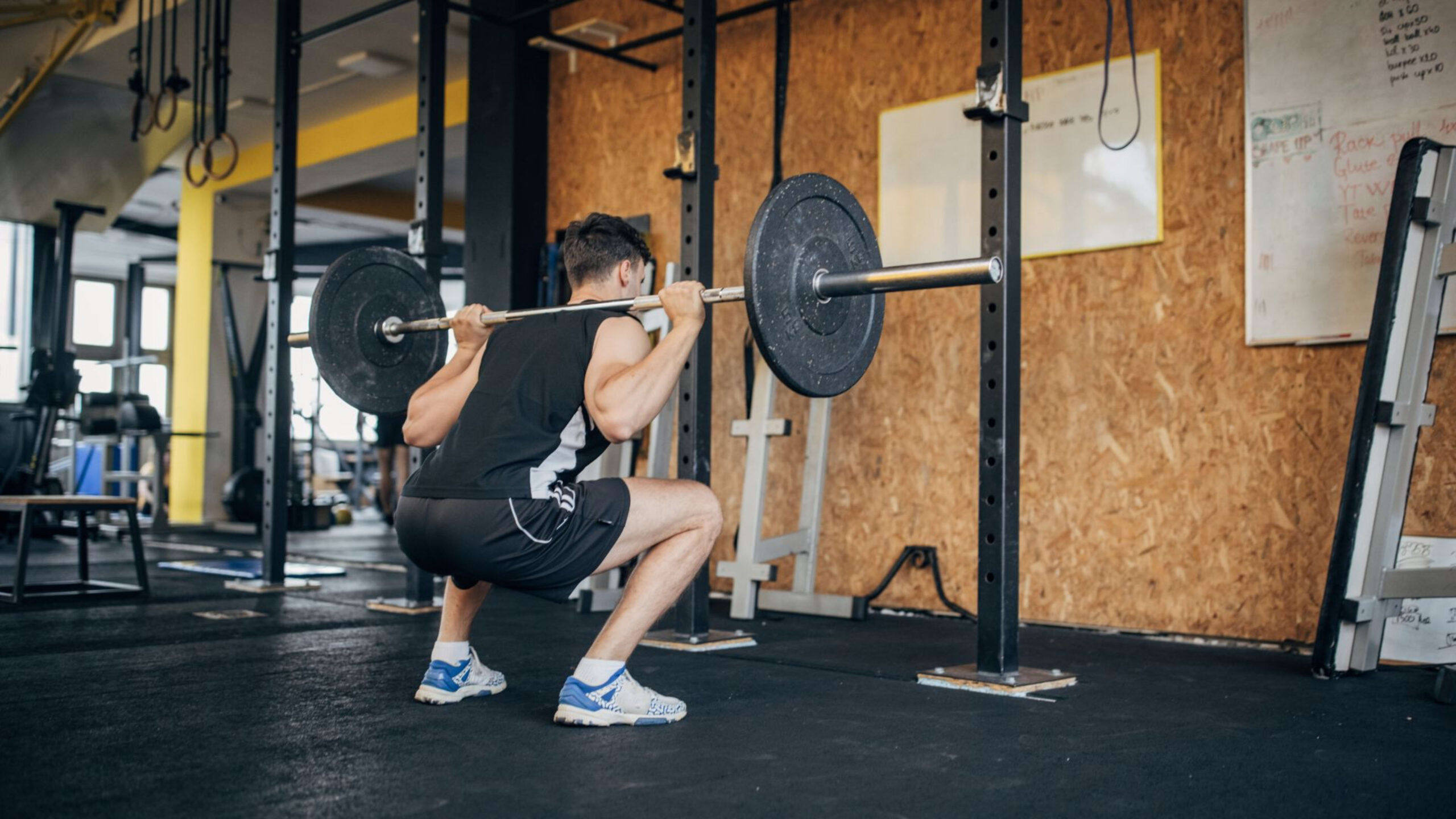
Introduction
Why Squat Depth Matters
Squatting is one of the most fundamental movements in strength training, functional fitness, and everyday life. But not all squats are created equal—depth plays a critical role in both performance and safety. Achieving proper squat depth ensures that the major muscles of the lower body, including the glutes, hamstrings, quadriceps, and core, are fully engaged. Deeper squats can improve mobility, increase strength through a greater range of motion, and enhance overall athletic performance. Additionally, working within a full range of motion can reduce injury risk by promoting balanced muscle development and joint stability.
Common Challenges in Achieving Full Depth
Many lifters struggle to reach proper squat depth, even with consistent practice. Common challenges include tight hips or hamstrings, limited ankle mobility, weak glutes or core muscles, and poor technique. Sometimes, previous injuries or discomfort in the knees or lower back can also restrict how deep you can go. Psychological factors, such as fear of losing balance or discomfort in unfamiliar positions, can further limit depth. Understanding these obstacles is the first step toward improving your squat and unlocking its full benefits.
Understanding Squat Mechanics
Anatomy Involved in Squatting
The squat is a coordinated, multi-joint movement that recruits several muscle groups and relies on multiple joints working together:
- Hips (hip flexors / extensors, glutes): The gluteus maximus is a primary power producer as you drive up from the bottom. Hip flexors (and the length of the hip capsule) influence how comfortably you can fold into a deep squat.
- Knees (quadriceps, hamstrings): The quads control knee extension and contribute most of the visible drive during the ascent, while the hamstrings assist stability and control around the joint.
- Ankles (calves, tibialis anterior): Ankle dorsiflexion (how far your shin can travel forward over your foot) is critical for allowing your knees to move forward and for keeping your heels on the ground.
- Core and spine (transverse abdominis, erector spinae): A braced, neutral spine transfers force from your legs to the load safely and prevents excessive rounding or arching.
- Adductors and abductors (inner/outer thigh): These control valgus/varus at the knees and help with stability and hip positioning—important for wider stances or when balancing depth with stability.
Anatomy also includes bone structure — femur length, tibia length, hip socket orientation, and torso length — which change how a squat looks and how deep different people can go while staying upright.
Range of Motion and Joint Mobility
Squat depth is limited or enabled by the combined range of motion across the ankle, knee, and hip. Key mobility considerations:
- Ankle dorsiflexion: Often the first bottleneck. If the ankle can’t dorsiflex enough, the heels will lift or the torso will lean forward to compensate, both of which make deep squats harder.
- Hip flexion and rotation: You need adequate hip flexion and a comfortable amount of internal/external rotation to let the femur clear the pelvis at depth. Tight hip flexors or a stiff posterior capsule will block depth.
- Thoracic mobility and spinal control: Good upper-back mobility keeps the chest up and prevents excessive forward lean when depth increases.
- Soft tissue constraints: Tight calves, hamstrings, or adductors can feel limiting even when joint ROM is technically sufficient.
Practical note: range of motion is both passive (how far you can be moved by an outside force) and active (how far you can move under your own control). Improving squat depth often requires both mobility work (to increase passive ROM) and strength/control work (to use that ROM under load).
How Depth Affects Strength and Performance
Depth changes muscle recruitment, leverage, and the training carryover you’ll get from squatting.
Common Factors Limiting Squat Depth
Achieving proper squat depth can be challenging, and the reasons often vary from person to person. Identifying what’s holding you back is the first step toward improvement. Below are the most common limiting factors:
Tight Hips and Hip Flexors
The hips play a central role in squat depth. Tight hip flexors or restricted hip mobility can prevent the femur from moving comfortably into a deep position. When the hips are stiff, lifters often compensate by leaning forward excessively or lifting their heels, which reduces stability and limits depth. Regular hip-opening exercises, dynamic stretches, and glute activation drills can help alleviate this restriction over time.
Limited Ankle Mobility
Ankle dorsiflexion—the ability to bend the ankle so the shin moves forward over the foot—is a crucial determinant of squat depth. Limited ankle mobility forces the body to compensate by shifting weight onto the toes or leaning the torso forward, both of which make deep squats difficult and can strain the knees. Simple drills like calf stretches, ankle circles, and wall-assisted dorsiflexion exercises can gradually improve ankle flexibility.
Weak Glutes, Hamstrings, and Core
Even if your joints are mobile, insufficient strength in the lower body or core can prevent you from controlling the bottom position of a squat. Weak glutes or hamstrings reduce hip drive, while a weak core can cause the lower back to round at depth. Building strength in these areas through hip thrusts, deadlifts, and core stability exercises ensures you can reach full depth without losing form.
Poor Technique or Posture
Squat depth is heavily influenced by technique. Common mistakes such as letting the knees collapse inward, leaning too far forward, or failing to brace the core can make deep squats unsafe or uncomfortable. Correcting posture, focusing on proper foot placement, and practicing body awareness in shallow squats can gradually allow for a deeper, more controlled range of motion.
Previous Injuries or Pain
Past injuries to the knees, hips, or lower back can limit mobility, strength, and confidence in squatting deeply. Pain or discomfort may cause subconscious guarding, preventing you from reaching full depth. If injuries are present, working with a physical therapist or qualified coach to tailor modifications, mobility drills, and gradual strength training is essential for safe progression.
Squat Technique Adjustments
Even with good mobility and strength, proper technique is essential for achieving full squat depth safely. Small adjustments to stance, alignment, and breathing can make a significant difference in comfort, stability, and muscle engagement.
Foot Placement and Stance Width
Foot placement is the foundation of a good squat. Your stance should feel natural, allowing your hips to drop between your knees without your heels lifting.
- Width: A shoulder-width stance works for most lifters, but some may need slightly wider or narrower positioning depending on hip anatomy and flexibility.
- Toe angle: Slightly pointing toes outward can help the knees track over the feet and reduce hip tension. Avoid extreme toe flaring; alignment is key.
- Weight distribution: Keep your weight evenly distributed across the midfoot and heels, not just on your toes, to maintain balance and prevent forward lean.
Experiment with small adjustments to find the stance that allows the deepest, most controlled squat for your body.
Knee Tracking and Alignment
Proper knee alignment prevents strain and maximizes depth. Your knees should track in the same direction as your toes throughout the squat.
- Avoid letting the knees collapse inward (valgus), which can stress ligaments and reduce depth.
- Engage the glutes and outer thighs to stabilize the knees.
- Imagine “pushing the knees out” slightly as you descend—this promotes proper alignment without forcing unnatural movement.
Torso Position and Bracing
A strong, stable torso is critical for maintaining depth and protecting the spine.
- Chest up: Keep your chest tall and proud to prevent excessive forward lean.
- Neutral spine: Avoid rounding the lower back; a straight, braced spine transfers force safely from the legs to the load.
- Core engagement: Brace your core as if preparing for a punch—this stabilizes your torso and allows you to descend deeper without losing form.
Breathing and Depth Control Tips
Breathing and mindful control help you reach and maintain proper depth:
- Inhale before descent: Take a deep diaphragmatic breath and brace the core before squatting down.
- Controlled descent: Lower yourself slowly to maintain balance and avoid bouncing at the bottom.
- Exhale while rising: Push through your heels and exhale steadily as you return to standing.
- Pause at depth (optional): A brief pause at the bottom can improve control, strengthen the sticking point, and build confidence in deep positions.
Mobility Exercises to Improve Depth
Improving squat depth often begins with enhancing mobility. Targeting the hips, ankles, and thoracic spine can unlock restricted movement and allow you to safely reach a fuller range of motion. Here are effective exercises and techniques to incorporate into your routine.
Hip Openers and Stretching Techniques
Tight hips are a common barrier to deep squats. These stretches improve flexibility and allow the femur to move freely in the hip socket:
- 90/90 Stretch: Sit with one leg in front at a 90-degree angle and the other leg behind, also at 90 degrees. Lean forward over the front leg to stretch the hip and glutes, then switch sides.
- Pigeon Pose (Yoga Stretch): Opens the hip rotators and glute muscles. Keep your chest upright or fold forward depending on comfort and flexibility.
- Hip Flexor Lunge Stretch: Step one foot forward into a lunge and push the hips forward to stretch the hip flexors. Raise the arms overhead to intensify the stretch.
- Seated Butterfly Stretch: Sit with soles of the feet together and knees dropped outward. Lean forward slightly to target the inner thighs and hips.
Consistency is key—hold each stretch for 20–40 seconds and repeat 2–3 times per side for maximum benefit.
Ankle Mobility Drills
Ankle dorsiflexion is essential for proper squat depth. These exercises help increase flexibility and control:
- Wall-Assisted Dorsiflexion Stretch: Stand facing a wall with one foot forward. Bend the front knee toward the wall while keeping the heel grounded. Perform 10–15 reps per side.
- Calf Stretch on a Step: Place the ball of your foot on a step with the heel hanging off. Lower your heel gently to stretch the calf and Achilles tendon.
- Ankle Circles: Rotate each ankle in large circles in both directions to increase joint mobility.
- Banded Ankle Distraction: Use a resistance band around the ankle and anchor it to a sturdy object. Move the ankle forward/backward to mobilize the joint.
Dynamic Warm-Ups for Squatting
Dynamic movements prepare the joints and muscles for deep squats by improving blood flow, activating key muscles, and rehearsing the movement pattern:
- Leg Swings: Swing one leg forward/backward and side-to-side to loosen the hips and hamstrings.
- Bodyweight Squats: Perform slow, deep squats without weight, focusing on control and range of motion.
- Hip Circles: Standing or on all fours, rotate the hips in controlled circles to warm up the joint.
- Walking Lunges with Twist: Step forward into a lunge and twist the torso toward the front leg, opening the hips and engaging the core.
Foam Rolling and Soft Tissue Work
Addressing tight muscles and fascia with self-myofascial release helps joints move more freely:
- Quadriceps Rolling: Lie face down with a foam roller under the quads. Roll from the hip to the knee for 30–60 seconds per leg.
- Glute and Piriformis Rolling: Sit on the foam roller with one foot crossed over the opposite knee. Roll the glutes and hip rotators for 30–60 seconds per side.
- Calf Rolling: Place the calves on a foam roller and gently roll from ankle to knee.
- Adductor Rolling: Lie face down and roll the inner thigh from knee to groin to loosen tight adductors.
Soft tissue work can be done before or after workouts, but doing it before squatting can help you move deeper with less discomfort.
Conclusion
Achieving deeper squats is a journey that combines mobility, strength, and technique. While progress may feel slow at times, the benefits—stronger legs, improved athletic performance, and better functional movement—are well worth the effort.
Building Consistency and Patience
Improving squat depth doesn’t happen overnight. Daily mobility work, regular strength training, and mindful practice of proper technique are key. Approach each session with patience, focusing on small, incremental improvements rather than forcing extreme depth prematurely. Consistency is what transforms short-term gains into lasting progress.
Celebrating Gradual Gains in Depth
Even a few degrees of added depth represent meaningful progress. Celebrate these small victories—they indicate improved mobility, strength, and control. Tracking your squats with videos or notes can help you see progress that isn’t always immediately obvious in the mirror.
Integrating Depth Improvements Into Overall Strength
Better squat depth enhances not only your leg strength but also your overall performance in lifts, sports, and everyday activities. Incorporate your improved range of motion into regular strength training, whether in back squats, front squats, lunges, or other compound movements. Over time, your improved depth will become a natural part of your lifting repertoire, supporting long-term fitness, mobility, and injury prevention.