 By StretchToStrength.blog
Flexibility is often celebrated as the key to pain-free movement. Touching your toes, opening tight hips, or gaining shoulder range can feel like major wins—and they are. But flexibility alone doesn’t guarantee healthy joints. In fact, without strength, new flexibility can sometimes lead to more instability, discomfort, or even injury.
The real goal isn’t just to move farther—it’s to control that movement. That’s where joint stability and strength come in. This article will show you how to turn your flexibility gains into strong, stable joints that support long-term health, performance, and confidence in movement.
Why Flexibility Alone Isn’t Enough
Flexibility simply means your muscles and tissues can move through a larger range of motion. Stability means your joints can control that range under load.
When you stretch and increase range without strengthening the surrounding muscles:
- Joints may feel loose or unstable
- Movements can feel awkward or weak
- Injury risk can increase, especially during daily activities or workouts
This is common in people who stretch regularly but avoid strength training. They gain range—but not control.
Strong joints need both mobility and muscular support.
The Stretch-to-Strength Principle

The stretch-to-strength approach follows a simple rule:
Every new range you gain should be trained with strength.
That means:
- Stretch to access new movement
- Strengthen inside that range
- Teach the joint how to stabilize itself
This combination creates joints that are not just flexible—but resilient.
Step 1: Stretch With Intention, Not Excess
Stretching should prepare your body for strength—not replace it.
Focus on:
- Controlled, slow stretches
- Active stretches (where muscles stay engaged)
- Breathing to reduce tension
Avoid:
- Aggressive forcing into end ranges
- Long passive stretches without follow-up movement
Example:
Instead of holding a deep hamstring stretch for minutes, move gently into the stretch, then come out and repeat. This keeps the nervous system involved and prepares the muscles for activation.
Step 2: Strengthen at End Ranges
This is where flexibility becomes usable.
End-range strength means training muscles where they are usually weakest—at the edges of movement.
Examples:
- Strengthening hamstrings while they’re lengthened
- Training shoulder stability at overhead positions
- Building hip strength in deep squat ranges
Simple exercises:
- Split squats with a slow descent
- Romanian deadlifts with controlled depth
- Overhead carries with light weight
These teach your body: “I’m safe and strong here.”
Step 3: Use Slow, Controlled Movements
Speed hides weakness. Control builds stability.
When turning flexibility into strength:
- Move slowly
- Pause briefly at challenging positions
- Focus on balance and alignment
Slow training:
- Improves joint awareness
- Builds connective tissue strength
- Reduces reliance on momentum
This is especially important for knees, hips, shoulders, and ankles.
Step 4: Train Stability Before Load
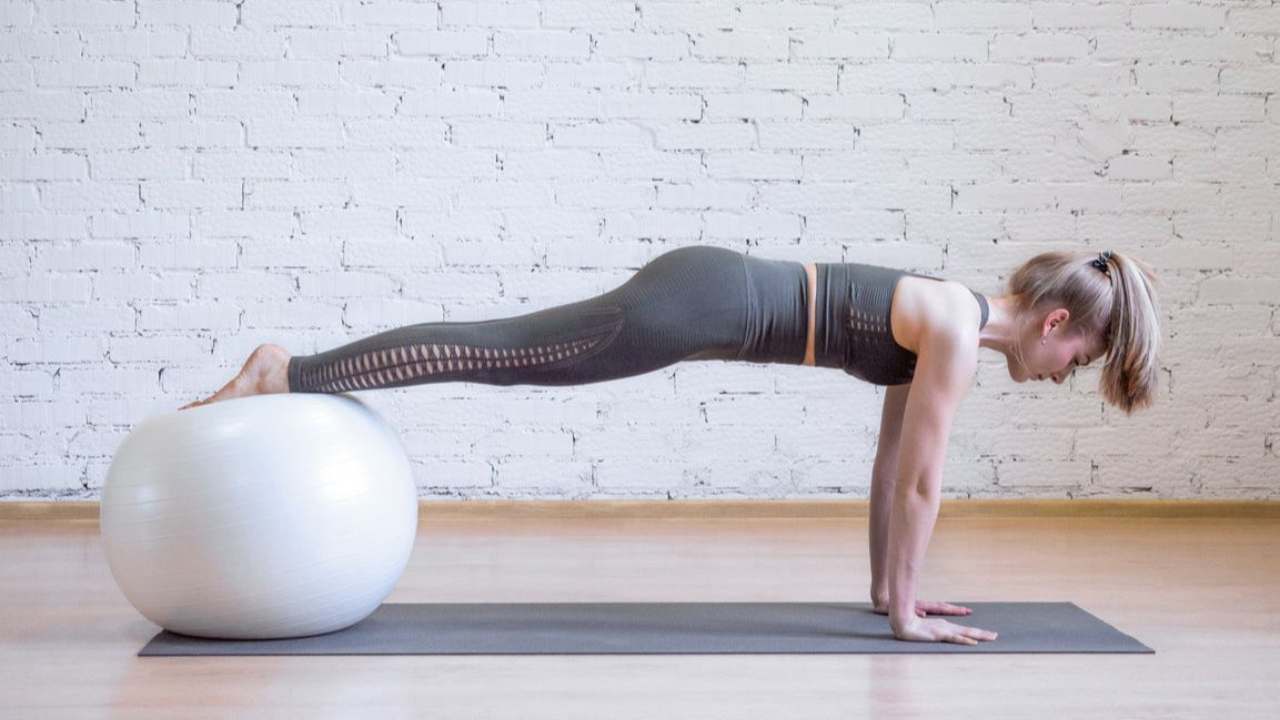
Joint stability comes before heavy weights.
Before adding load, ensure you can:
- Control your bodyweight
- Maintain alignment through the full range
- Balance without compensation
Examples:
- Single-leg exercises for knee and ankle stability
- Planks and carries for core and shoulder control
- Controlled lunges before weighted squats
Stability is not about being stiff—it’s about being responsive and strong.
Step 5: Integrate Strength Into Daily Movement
Your joints don’t just need strength in the gym—they need it in life.
Carry strength into:
- Standing up and sitting down
- Walking and climbing stairs
- Reaching, lifting, and twisting
This is where flexibility truly pays off. When joints are stable, movement feels easier, lighter, and safer.
Common Mistakes to Avoid
Many people unknowingly sabotage their flexibility gains. Watch out for these:
1. Stretching Without Strength
You gain range but lose control.
2. Avoiding End Ranges
You stay strong only where it’s comfortable.
3. Rushing Progress
Stability takes time—respect it.
4. Ignoring Pain Signals
Stability should feel challenging, not painful.
Example: Turning Hip Flexibility Into Stability

Let’s take tight hips—a common issue.
Step 1: Mobility
- Hip flexor stretch
- Deep squat hold with breathing
Step 2: Strength
- Split squats
- Glute bridges
- Step-backs
Step 3: Control
- Slow tempo
- Pauses at the bottom
- Balanced stance
Result: Hips that move freely and support your knees and lower back.
Long-Term Benefits of Strong, Flexible Joints
When you pair flexibility with strength, you get:
- Fewer aches and pains
- Better posture and balance
- Increased confidence in movement
- Reduced injury risk
- Sustainable progress as you age
This is not about becoming extreme—it’s about becoming capable.
Final Thoughts: Control Is the Goal
Flexibility opens the door. Strength teaches you how to walk through it safely.
If you want joints that last, stop chasing flexibility alone. Train the body to own every inch of movement you gain. Stretch with purpose. Strengthen with control. Build joints that are not just flexible—but strong, stable, and reliable.
That’s the real stretch-to-strength transformation.
Here are clear, practical key points for “Turning Flexibility Gains Into Strong, Stable Joints” — perfect for summaries, blog sections, infographics, or social posts.
Key Points
- Flexibility Without Strength Creates Instability
Gaining range of motion without strengthening it can make joints feel loose, weak, or vulnerable to injury. - Strength Gives You Control Over New Range
True mobility means being able to actively control the positions you can now reach. - Train Strength at End Ranges
Muscles must be strengthened where they are longest and weakest to support joint stability. - Slow, Controlled Movements Build Stability
Control, pauses, and tempo training teach joints how to stay aligned under stress. - Active Stretching Is Better Than Passive Stretching Alone
Keeping muscles engaged while stretching prepares them for strength work. - Stability Comes Before Heavy Load
Master bodyweight and balance before adding resistance to protect joints. - Joint Stability Reduces Pain and Injury Risk
Strong joints absorb force better and rely less on passive structures like ligaments. - Strength Makes Flexibility Useful in Daily Life
Stable joints improve walking, lifting, reaching, and posture—not just workouts. - Avoid Forcing End Ranges
Pushing flexibility without control increases strain instead of resilience. - Long-Term Joint Health Requires Both Mobility and Strength
Sustainable movement comes from owning your full range, not just accessing it.