 By StretchToStrength.blog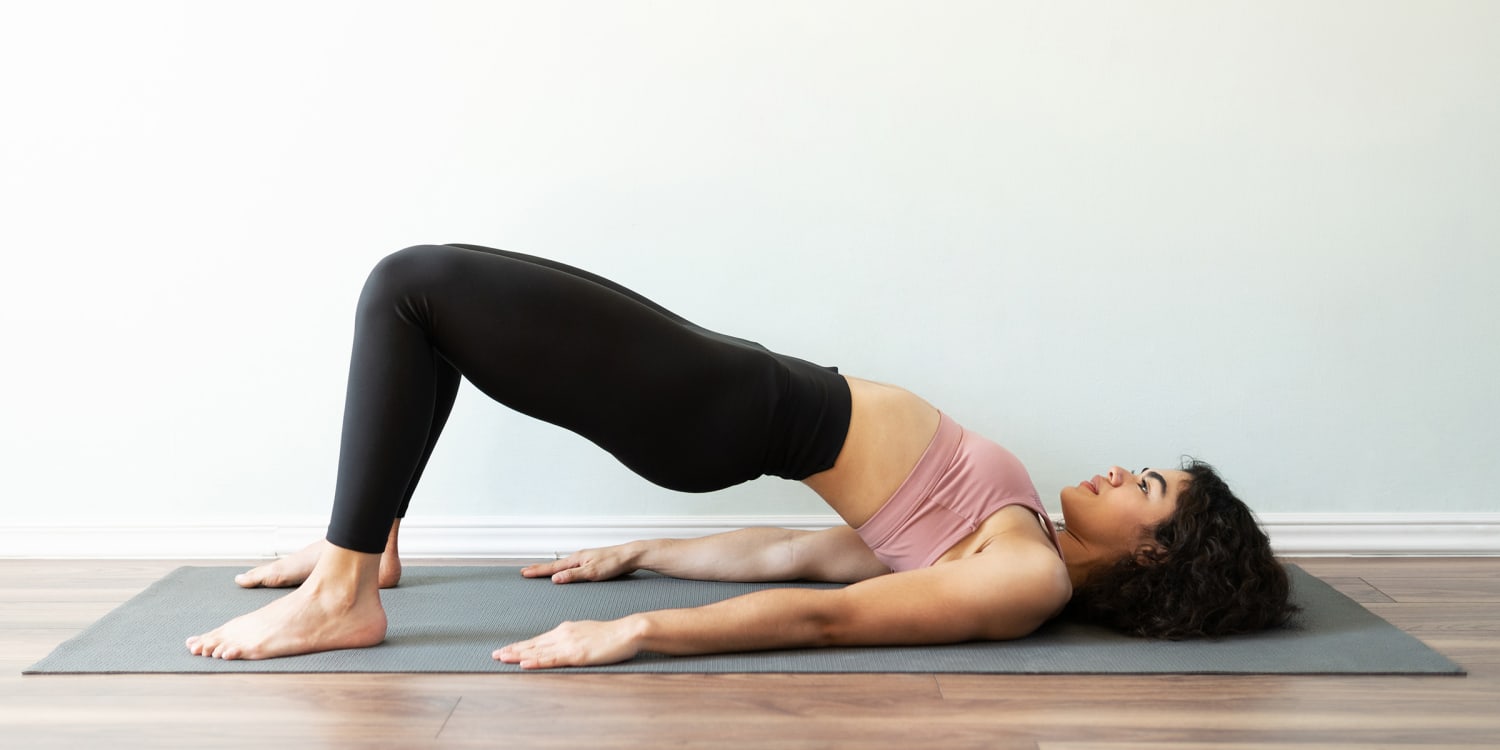
Introduction
Why lower back pain is so common — and how stretching helps
Lower back pain is one of the most widespread complaints in adults. Modern life — long hours sitting, poor posture, weak gluts and core, and repetitive bending or lifting — all load the lumbar spine in ways it wasn’t designed to tolerate for long. Add aging changes (disc wear, joint arthritis), prior injuries, and simple muscle stiffness from inactivity, and you get a recipe for a tight, painful lower back.
Stretching helps by easing the muscle tension and protective guarding that amplify pain, restoring smoother movement through the hips and spine, and giving the nervous system a chance to calm down. Done correctly, stretches reduce tightness, improve range of motion, and make everyday movements (standing up, bending, walking) less painful — especially when paired with light movement and later with strength work to keep the gains.
Understanding Lower Back Pain
Common causes of lower back stiffness and discomfort
- Muscle strain or spasm: sudden lifting, awkward twisting, or simply prolonged static postures can overload the muscles and cause guarding.
- Poor posture and sitting: a rounded or slumped sitting posture shortens hip flexors and changes load on the lumbar spine, causing chronic tightness.
- Tight hips and hamstrings: limited hip mobility forces the lower back to move more than it should, leading to stiffness and soreness.
- Joint stiffness / facet irritation: when small spinal joints become stiff or irritated they create localized pain and guarded movement.
- Degenerative changes: disc degeneration or osteoarthritis can produce chronic stiffness, often worse after sitting or in the morning.
- Referred pain / nerve irritation: sciatica or nerve irritation may cause radiating pain and numbness — not always solved by stretching alone.
When stretching helps vs. when to seek medical care
Stretching is most helpful when pain is primarily from muscle tightness, poor posture, or mild overuse — especially if movement eases the pain, not worsens it. You’ll often notice gradual improvement after gentle stretches and light movement.
Seek urgent medical care if you have any of these “red flags”:
- Severe, sudden pain after trauma (fall, accident).
- Nerve signs — progressive numbness, tingling, or weakness in one or both legs.
- Bowel or bladder changes (incontinence or new difficulty urinating).
- Fever, unexplained weight loss, or history of cancer combined with back pain.
If pain persists beyond a few weeks, limits daily life, or returns frequently, see a clinician or physical therapist for an evaluation — stretching may be only one part of the solution.
How Stretching Relieves Lower Back Pain
Reducing muscle tension and guarding
Tight muscles around the lumbar spine and hips protect the area by staying contracted (guarding). Gentle stretching decreases this protective contraction, reduces trigger points, and helps the muscles relax — which often leads to immediate, though sometimes temporary, pain relief.
Improving spinal and hip mobility
Many lower-back problems start because the hips or thoracic spine don’t move well. Stretching the hips, hamstrings, and thoracic spine restores range of motion so the lumbar spine doesn’t have to compensate. Better hip extension and hamstring flexibility reduce shear and bending forces on the lower back during everyday tasks.
Supporting better posture and movement
Regular stretching, combined with posture awareness, helps un-do the forward-slumped shapes we adopt while sitting. Lengthened hip flexors and improved thoracic mobility make it easier to stand tall, hinge from the hips, and recruit the right muscles — all of which lowers ongoing stress to the lower back.
Key Principles for Safe Lower Back Stretching
Move slowly and stay pain-free
- Use smooth movements and avoid bouncing.
- Stretch to a point of gentle tension or mild discomfort (think 1–4 on a 0–10 pain scale), never sharp or shooting pain.
- If a stretch increases radiating pain, stop and reassess.
Breathing and relaxation techniques
- Breathe slowly and fully — diaphragmatic (belly) breaths help the nervous system relax and the muscles let go.
- Exhale as you move deeper into a stretch; inhale to prepare and soften.
- Combine 20–30 seconds of a held stretch with slow breathing (3–5 deep breaths per hold).
How long and how often to stretch
- Hold times: 20–60 seconds per stretch for most people. Shorter holds (15–20s) work if you’re very sore; longer holds (45–60s) can be effective for chronic tightness.
- Repetitions: 2–4 repeats per side or per stretch.
- Frequency: Daily is ideal when dealing with tightness or acute stiffness. For maintenance, 3–5 times per week works well.
- Progression: Start gentle and increase range slowly as pain allows. Combine stretching with light movement (walking, cat–cow, pelvic tilts) to reinforce mobility.
Best Lower Back Stretches for Pain Relief
These stretches are gentle, accessible, and effective for reducing tension in the lower back while improving overall movement. Move slowly, breathe deeply, and stay within a pain-free range.
Knee-to-Chest Stretch
This stretch gently decompresses the lower spine and relaxes tight back muscles.
- Lie on your back with knees bent and feet flat on the floor.
- Bring one knee toward your chest, clasping it with both hands.
- Keep the opposite leg bent or extended, whichever feels more comfortable.
- Hold for 20–40 seconds while breathing deeply, then switch sides.
Tip: For deeper relief, pull both knees to your chest at once.
Cat–Cow Stretch
Cat–Cow improves spinal mobility and helps relieve stiffness through controlled movement.
- Start on all fours with hands under shoulders and knees under hips.
- Inhale as you arch your back, lifting your chest and tailbone (Cow).
- Exhale as you round your spine, tucking your chin and pelvis (Cat).
- Move slowly between positions for 6–10 controlled repetitions.
Tip: Focus on smooth breathing rather than forcing range.
Child’s Pose
Child’s Pose gently stretches the lower back while calming the nervous system.
- From all fours, sit your hips back toward your heels.
- Reach your arms forward or rest them alongside your body.
- Let your chest relax toward the floor.
- Hold for 30–60 seconds with slow breathing.
Tip: Place a pillow or block under your chest or hips if needed.
Seated Forward Fold (Modified)
This version reduces strain while stretching the lower back and hamstrings.
- Sit upright on the floor or a chair with legs extended or knees slightly bent.
- Hinge forward from the hips, keeping the spine long.
- Rest hands on thighs, shins, or a support — not the feet.
- Hold for 20–40 seconds without rounding aggressively.
Tip: Bending the knees reduces tension on the lower back.
Supine Spinal Twist
This stretch releases tension in the lower back and surrounding muscles.
- Lie on your back with arms extended out to the sides.
- Bend one knee and gently guide it across your body.
- Keep shoulders relaxed against the floor if possible.
- Hold for 20–40 seconds, then switch sides.
Tip: Move slowly and stop if twisting causes sharp pain.
Pelvic Tilts
Pelvic tilts activate deep core muscles and gently mobilize the lumbar spine.
- Lie on your back with knees bent and feet flat.
- Gently flatten your lower back into the floor by tilting your pelvis.
- Hold for 3–5 seconds, then relax.
- Perform 8–12 slow repetitions.
Tip: Think “ribcage down, pelvis tucked” for better control.
Hip Flexor Stretch (for back relief)
Tight hip flexors often contribute to lower back pain, especially from sitting.
- Start in a half-kneeling position or standing split stance.
- Gently tuck your pelvis and shift weight forward slightly.
- You should feel the stretch in the front of the hip, not the lower back.
- Hold for 20–40 seconds per side.
Tip: Avoid arching your lower back — keep glutes lightly engaged.
Stretches for Specific Types of Lower Back Pain
Lower Back Pain From Sitting Too Much
Prolonged sitting shortens hip flexors and stiffens the spine. Focus on:
- Hip flexor stretch
- Cat–Cow
- Pelvic tilts
- Supine spinal twist
Perform these once or twice daily, especially after long sitting periods.
Tight Lower Back After Workouts
Post-training tightness often comes from fatigue and temporary muscle guarding.
- Knee-to-chest stretch
- Child’s pose
- Supine spinal twist
Use slow breathing and longer holds (40–60 seconds) to promote relaxation.
Morning Lower Back Stiffness
Morning stiffness is common due to overnight immobility. Emphasize gentle movement over deep stretching:
- Cat–Cow
- Pelvic tilts
- Knee-to-chest stretch
Keep movements slow and controlled before getting out of bed or soon after waking.
Common Stretching Mistakes to Avoid
Forcing Range of Motion
Pushing too hard increases muscle guarding and irritation. Stretching should feel relieving, not aggressive. Progress gradually over days and weeks.
Stretching Through Sharp Pain
Sharp, shooting, or radiating pain is a signal to stop. Stretching should never worsen symptoms or create nerve-like pain down the leg.
Ignoring Hips and Hamstrings
The lower back often tightens to compensate for stiff hips or hamstrings. Neglecting these areas limits results and can keep pain recurring. Include hip and leg stretches consistently for lasting relief.
How to Build a Simple Daily Lower Back Stretch Routine
Here’s a compact, practical 5–10 minute routine you can do anywhere. It’s relief-focused, safe, and balanced — mobility + a little nervous-system calming.
5–10 minute relief-focused routine (ready-to-use)
- Cat–Cow — 60 seconds
6–10 slow reps, inhale into Cow, exhale into Cat. Move with the breath to wake up spinal mobility. - Pelvic tilts — 60 seconds
8–12 slow reps lying on your back. Tilt the pelvis, hold 2–3 seconds, relax. Focus on control, not force. - Knee-to-Chest (single side) — 40 seconds per side
Hold 20–30s, slow diaphragmatic breaths, switch sides. Option: bring both knees in for added comfort. - Hip Flexor Stretch (half-kneel) — 30–40 seconds per side
Light tuck of the pelvis, don’t overarch the low back. Hold and breathe. - Child’s Pose or Supine Spinal Twist — 30–60 seconds
Finish with a calming hold to settle the nervous system and integrate the movement.
Total time ≈ 5–10 minutes depending on hold lengths and transitions.
Progression & tweaks
- If you’re tight or sore: shorten holds (15–20s) and reduce reps.
- For more relaxation: increase holds to 45–60s and slow the breathing.
- If stretching temporarily increases pain, reduce intensity or skip that stretch and substitute a gentle dynamic movement (walking, standing hip swings).
When to stretch: morning vs. evening
- Morning: focus on gentle movement (Cat–Cow, pelvic tilts, knee-to-chest). Aim to reduce stiffness before getting out of bed — slow, short sessions (3–6 minutes) are ideal.
- During the day / after long sitting: do short breaks (1–3 minutes) every 60–90 minutes if possible — hip flexor release, standing back bends, or a quick walk.
- Evening: longer, slower holds (30–60s) work well to calm muscle guarding and the nervous system. Combine with diaphragmatic breathing for better sleep and sustained relaxation.
Combining stretches with light movement
- Warm first if needed: 1–3 minutes of walking or marching in place increases tissue temperature and makes stretching easier.
- Follow stretching with activation: brief low-load strength or stability work (see Section 8) helps maintain range of motion. Example: 1–2 sets of 8–12 glute bridges after hip flexor stretches.
- Use movement patterns, not isolated holds only: integrate hinge patterns (soft Romanian deadlift with light weight or bodyweight hip hinges) to teach the lumbar spine to move safely while hips contribute.
When Stretching Isn’t Enough
Signs your pain may need professional evaluation
Seek a clinician (primary care, physiotherapist, or emergency care) when you have any of the following:
- Red flags: severe acute pain after trauma, fever with back pain, unexplained weight loss, history of cancer.
- Neurological signs: progressive numbness, tingling, or weakness in the legs; foot drop; saddle anesthesia.
- Bladder or bowel changes: new incontinence or difficulty urinating.
- Persistent or worsening pain: symptoms that don’t improve after a few weeks of conservative care and limit daily function.
(If any red-flag symptoms appear, seek urgent care.)
Role of strength and stability for long-term relief
Stretching fixes short-term tightness and gives immediate relief, but long-term resilience comes from strength, control, and movement quality. Key points:
- Stability: teach the core and hips to control the lumbar spine through everyday tasks.
- Hip and glute strength: strong glutes reduce lumbar compensation during standing, walking, and lifting.
- Progressive loading: gradually adding resistance (bodyweight → bands → weights) builds durable tissue and reduces recurrence.
Simple strength/stability exercises to pair with stretching
Do these 2–4 times per week as tolerated — 1–3 sets each.
- Glute Bridge — 8–15 reps
Cue: drive through the heels, squeeze glutes at the top, keep ribs down. - Bird Dog — 8–12 reps per side
Cue: maintain a neutral spine, extend opposite arm & leg slowly, avoid rotating the hips. - Dead Bug — 8–12 reps per side
Cue: press low back lightly to the floor, move opposite arm/leg slowly with control. - Side Plank (or knee-supported) — 15–45 seconds per side
Cue: stack hips, avoid sagging; if too hard, perform it with knees bent.
These exercises target the core, hips, and coordination that prevent the lower back from taking excessive load.
Who Benefits Most From These Stretches
- Desk workers and office professionals — relieves hip flexor shortening and counteracts prolonged sitting.
- Beginners and inactive adults — gentle, low-risk way to reduce stiffness and restore movement confidence.
- Athletes and regular exercisers — helps recover mobility after training and reduces compensatory lumbar loading.
- Older adults with stiffness — short, gentle daily routines can reduce morning stiffness and improve function (modify intensity as needed).
Conclusion
Consistent, gentle stretching reduces muscle guarding, restores mobility in the hips and spine, and makes everyday movement easier. For lasting results, pair stretches with light movement and a progressive strength/stability program that teaches the hips and core to share the load. Stretch smart — slow, pain-free, and consistent — and your lower back will feel more resilient over time.
Final Tips
- Keep it short & regular. Daily 5–10 minute sessions beat occasional, intense stretching.
- Breathe. Diaphragmatic breathing unlocks muscle tension faster than holding your breath.
- Move before and after. A quick walk or dynamic warm-up makes stretching safer and more effective.
- Progress with strength. Add glute, core, and hip-strength exercises to keep gains.
- Watch the signals. If a stretch produces sharp, radiating, or worsening symptoms, stop and seek professional input.