 By StretchToStrength.blog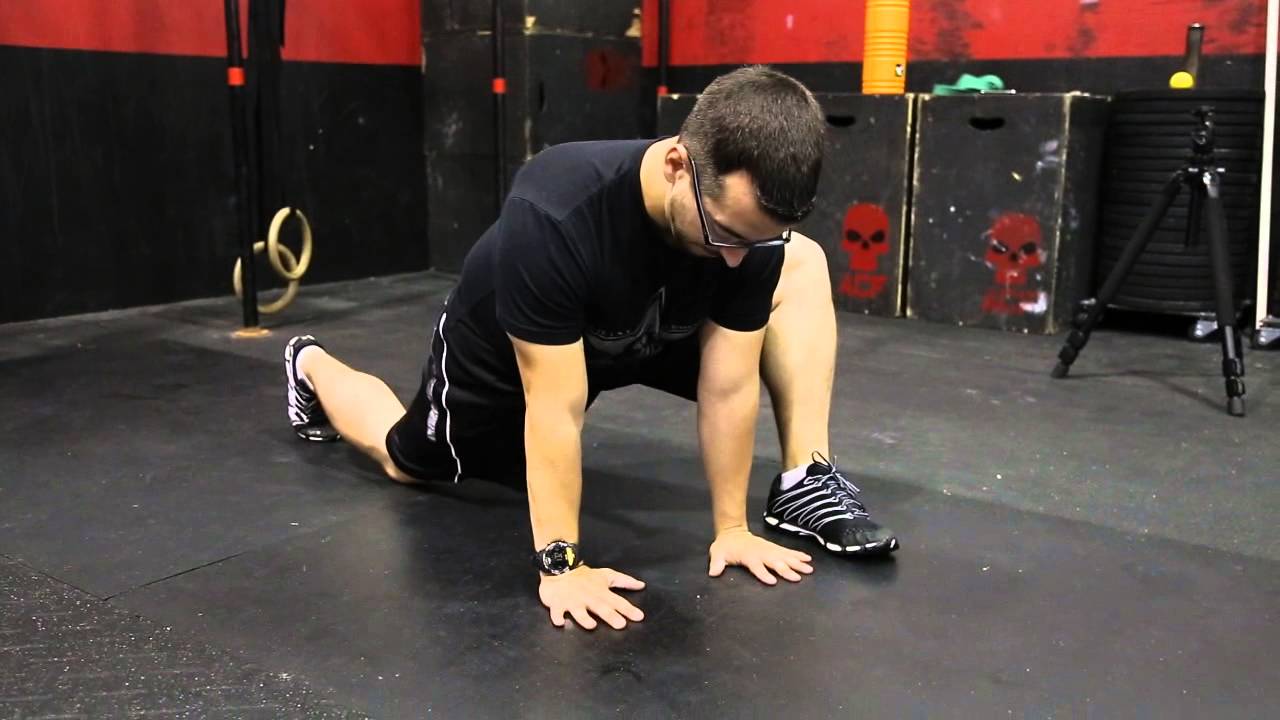
Introduction
Why “Tight” Bodies Need Strength — Not Just Stretching
If your body feels stiff, restricted, or uncomfortable during movement, your first instinct is probably to stretch more. Tight hips? Stretch. Stiff shoulders? Stretch. Achy back? Stretch again.
But for many people, constant stretching brings only short-term relief—or none at all.
That’s because tightness is often not just a flexibility problem. It’s a strength and control problem.
When your body lacks strength in certain positions, it responds by creating tension as a protective strategy. Strength training—done correctly—teaches your joints and muscles that movement is safe, controlled, and supported. Over time, this reduces unnecessary tension and helps your body move more freely than stretching alone ever could.
What Does a “Tight Body” Really Mean?
Feeling “tight” doesn’t necessarily mean your muscles are short or inflexible. In many cases, it means your body doesn’t feel stable or strong in certain ranges of motion.
Common Areas of Tightness
Most people experience tightness in predictable areas:
- Hips (especially hip flexors and glutes from sitting)
- Shoulders (limited overhead or behind-the-back movement)
- Spine (stiff upper back or guarded lower back)
These areas often feel restricted because they’re asked to compensate for weakness elsewhere.
Mobility vs Flexibility vs Strength
- Flexibility is passive range of motion—how far a muscle can stretch.
- Mobility is active range of motion—how well you can control that movement.
- Strength is what allows you to own and stabilize those positions.
You can be flexible and still feel tight if you lack strength and control in those ranges.
Why Weakness Often Hides Behind Stiffness
When a joint or muscle isn’t strong enough, the nervous system increases tension to protect it. This creates the sensation of tightness. Adding strength tells your body it’s safe to relax—because now it has support.
Why Traditional Strength Training Can Feel Hard When You’re Tight
Many standard strength programs assume full mobility and joint freedom. If you’re tight, these workouts can feel frustrating or even painful.
Limited Joint Range of Motion
Squats feel awkward. Pressing overhead feels blocked. Deadlifts strain the back. Limited range makes it hard to perform exercises as they’re traditionally taught.
Compensation Patterns and Discomfort
When your body can’t move where it should, it moves somewhere else instead. This leads to:
- Excess stress on the lower back
- Shoulder discomfort during presses or rows
- Knee or hip irritation during leg exercises
These compensations reinforce tightness rather than fixing it.
The Risk of Forcing Depth or Load
Trying to “push through” stiffness by adding weight or forcing deeper positions often backfires. Instead of improving mobility, it increases tension, reinforces poor movement patterns, and raises injury risk.
Principles of Strength Training for Tight Bodies
Training a stiff or guarded body is less about ego and more about signal — clear, safe signals that tell the nervous system movement is okay. Follow these principles and you’ll build strength while reducing the very tension that’s limiting you.
Train within your current range
- What it means: choose joint angles you can control with good form (not the textbook depth).
- Why it works: strength built in a safe range transfers to nearby ranges and teaches the nervous system to relax.
- How to apply: if a squat to parallel feels unsafe, do box squats to a height you own. Gradually lower the box as range improves.
Slow, controlled movements
- What it means: move deliberately (2–3 seconds eccentric, 1–2 seconds concentric) and avoid jerky momentum.
- Why it works: slower reps expose weak links, reduce compensation, and improve motor control.
- How to apply: add a 2-second lowering phase to all lifts and pause briefly at the point of tension to practice control.
Prioritizing joint positions and posture
- What it means: lock in alignment before adding load — neutral spine, ribs stacked, hips and shoulders tracking.
- Why it works: correct joint positions distribute forces evenly and prevent protective bracing that feels like “tightness.”
- How to apply: regress an exercise (e.g., incline press instead of standing press) until you can maintain the position throughout the set.
Breathing and tension management
- What it means: coordinate breath with movement and use diaphragmatic breathing to lower background tension.
- Why it works: holding breath all the time raises systemic stiffness; controlled breathing helps the nervous system relax and improves movement quality.
- How to apply: inhale during the easier/lengthening phase, exhale on exertion (for many lifts), and practice a few diaphragmatic breaths before heavy sets to calm the system. If you’re very guarded, try slow nasal inhales and long, controlled exhales between reps.
The Best Strength Exercises for Tight Bodies
Below are joint-friendly strength choices that build control without forcing end ranges. For each exercise I’ve included why it’s good, simple cues, regressions, and progressions.
Lower Body
Box Squats (controlled depth)
- Why: teaches squat mechanics without forcing deep hip or ankle range.
- How: sit back to a box/chair with control, lightly tap the surface, then drive up keeping chest tall and weight on heels.
- Cues: “sit back, chest up, drive through heels.”
- Regression: higher box or partial sit-to-stands.
- Progression: lower box, tempo pause at bottom, add kettlebell/dumbbell.
- Sets/Reps: 3–4 sets of 6–10.
Split Squats (hip-friendly range)
- Why: unilateral work improves hip control and reduces compensations from the spine or opposite leg.
- How: long stance, lower knee straight down until comfortable; keep torso upright.
- Cues: “kneecap toward floor, front knee tracks over toes.”
- Regression: hold onto a support, reduce range.
- Progression: add weight, elevate front foot, or perform Bulgarian split squats.
- Sets/Reps: 3 sets of 8–12 per leg.
Glute Bridges & Hip Thrusts
- Why: build posterior chain strength without heavy spinal loading; great for tight hip flexors.
- How: bridge the hips up by squeezing glutes; progress to barbell hip thrusts as control improves.
- Cues: “squeeze the glutes, don’t overextend the low back.”
- Regression: single-leg bridge, banded bridges.
- Progression: weighted hip thrusts, pause at top.
- Sets/Reps: 3–4 sets of 8–15.
Step-Ups (low height)
- Why: functional, low-impact single-leg strength that’s easy on tight hips if step height is modest.
- How: drive through the heel of the lead foot to stand on the step; control the descent.
- Cues: “push the step, control down.”
- Regression: lower step, use support.
- Progression: increase step height, hold weights.
- Sets/Reps: 3 sets of 8–12 per leg.
Upper Body
Incline Push-Ups
- Why: reduces shoulder strain by changing angle and is easier to control than floor push-ups.
- How: hands on elevated surface, maintain a straight line from head to heels, lower with control.
- Cues: “brace core, lower chest to edge, press.”
- Regression: higher surface, wall push-ups.
- Progression: lower surface, add tempo or single-arm variations.
- Sets/Reps: 3 sets of 8–15.
Supported Rows (chest-supported or band rows)
- Why: builds scapular and upper-back strength without taxing a stiff lower back or shoulders.
- How: chest-supported dumbbell rows or seated band rows; pull the elbows back and squeeze the shoulder blades.
- Cues: “elbows back, chest tall, scapula squeeze.”
- Regression: use bands or lighter loads.
- Progression: heavier dumbbells, single-arm rows, bent-over rows when back mobility allows.
- Sets/Reps: 3–4 sets of 8–12.
Half-Kneeling Presses
- Why: teaches anti-rotation and shoulder control in a stable, hip-friendly position.
- How: kneel on one knee, press a dumbbell or kettlebell overhead or in front; keep hips square and core engaged.
- Cues: “brace core, press without twisting hips.”
- Regression: floor press from half-kneel or seated press.
- Progression: standing single-arm presses, overhead carries.
- Sets/Reps: 3 sets of 6–10 per side.
Scapular Push-Ups
- Why: trains shoulder blade control and reduces compensatory shrugging that feels like stiffness.
- How: in a plank or incline position, keep arms straight and only move the scapulae — push them away (protract) and let them settle (retract).
- Cues: “keep arms long; feel shoulder blades moving.”
- Regression: wall scapular pushes.
- Progression: combine with full push-ups or add holds at end ranges.
- Sets/Reps: 2–4 sets of 10–20 slow reps.
How These Exercises Improve Mobility While Building Strength
These exercises don’t “stretch” you loose — they give your body the strength and control it needs to use a range of motion without fear. Short summary of the mechanics:
Strength at end ranges
When you train in a controlled portion of a joint’s range (even if it’s not full range), you develop force production there. That strength makes the nervous system more confident in that position, which leads to safer, easier expansion of range over time.
Reducing protective tension
Tightness is often a protective reflex. When muscles learn they can support a joint under load, the nervous system lowers unnecessary guarding. Repeated exposure to safe, controlled loading = less background tension.
Better joint control and confidence
Exercises that emphasize posture, scapular control, hip control and unilateral stability (split squats, supported rows, half-kneeling presses, etc.) teach coordination. Better coordination distributes forces correctly, reducing painful compensations and allowing smoother, freer movement.
Common Mistakes to Avoid (and quick fixes)
Chasing depth instead of quality
Mistake: forcing deeper positions (full squat, deep overhead) before you can control them.
Fix: keep a box, use incline variations, or reduce ROM. Quality reps at a controlled depth beat sloppy deep reps every time.
Ignoring warm-ups and regressions
Mistake: jumping straight into heavy sets cold or skipping easier regressions.
Fix: 5–10 minutes of movement prep + 2 light warm sets. Use regressions (higher boxes, bands) until you can hold form.
Training through pain
Mistake: confusing soreness with pain and pushing through sharp or joint-focused pain.
Fix: stop movements that cause sharp pain, regress to a safer variation, or remove load. Pain is feedback — not a badge of effort.
Skipping recovery and breathing work
Mistake: neglecting rest, sleep, and diaphragmatic breathing; staying in a high-tension state.
Fix: schedule rest days, practice slow belly breaths before sets, and include light mobility or walking on off days.
How to Progress Safely as Your Body Loosens Up
Progression should favor range first, then load. A simple, reliable ladder:
- Increase range before increase load
- Lower the box height, decrease incline, or deepen the lunge as control improves. Only after the new range looks solid should you add weight.
- Add tempo and pauses
- Slow eccentrics (2–4s down) and 1–2s pauses at the bottom expose weak points and increase time under tension without big jumps in load.
- Transition to deeper or more dynamic movements
- Once you have control and no pain for several sessions, move toward full squats, standing presses, or controlled plyometrics. Introduce slowly — single session changes, then 1–2 weeks to adapt.
- Layer complexity last
- Move from bilateral to unilateral, from supported to unsupported, from static to dynamic. Example: supported row → bent-over row → single-arm bent-over row.
Practical timeline example (beginner): 4–8 weeks of controlled-range work → 2–4 weeks adding range & tempo → start loading deeper ranges. Adjust speed based on how your body responds.
Sample Full-Body Strength Routine for Tight Bodies
Below is a beginner-friendly, twice-weekly routine that balances strength, control, and mobility. Each session takes ~30–45 minutes.
Warm-up (8–10 minutes)
- 3–4 minutes easy cardio (marching, biking, or brisk walk)
- Joint circles & band pull-aparts: 1–2 minutes total
- Movement prep (perform each 30–45s): hip hinge drills, cat–cow, half-kneeling hip flexor stretch, scapular push-ups (slow)
- 1–2 light warm-up sets of the first main lift, very easy load
Session A — Lower emphasis + upper support
- Box Squat — 3 sets × 6–8 reps (controlled; 2s down)
- Supported Rows (chest-supported or band) — 3 sets × 8–12 reps
- Glute Bridges — 3 sets × 10–15 reps (pause 1s at top)
- Half-Kneeling Press (single side) — 2 sets × 6–8 reps per side
- Farmer Carry or Short Walk — 2 × 30–45 seconds (focus on posture, braced core)
- Breathing/Reset — 2 minutes of diaphragmatic breaths before finish
Session B — Upper emphasis + single-leg stability
- Incline Push-Ups — 3 sets × 8–15 reps
- Split Squats — 3 sets × 8–10 reps per leg (use support if needed)
- Supported Single-Arm Row or Band Row — 3 sets × 8–12 reps per side
- Scapular Push-Ups — 3 sets × 10–15 reps (slow)
- Step-Ups (low height) — 2–3 sets × 8–10 reps per leg
- Core: Dead Bug — 2–3 sets × 8–12 reps per side (slow, controlled breathing)
Weekly Frequency & Progression
- Beginner: 2 full-body sessions per week (A and B), 48–72h between sessions. Add 1 short mobility/active recovery day (20 min walk + breathing).
- Intermediate: 3 sessions per week (A, B, A or A, B, B) if recovery allows.
- Progression rule: When you can complete all sets with solid form and minimal extra effort for 2 consecutive sessions, either add 1–2 reps per set or slightly reduce box/incline height (increase range). After 2–3 successful range increases, consider adding small load (2.5–5 kg).
Recovery tips
- 7–9 hours sleep when possible.
- Light movement on off days (walk, gentle yoga).
- 5 minutes of breathing practice twice daily to reduce baseline tension.
Who These Exercises Are Best For
These joint-friendly, control-first exercises are versatile — but they’re especially useful for specific groups who tend to feel “tight.” Below I explain why each group benefits and a quick modification tip.
Desk workers
Why it helps: Prolonged sitting shortens hip flexors, weakens glutes, and creates upper-back rounding. The routine restores hip control, strengthens posterior chain, and trains scapular stability — all while being easy to insert between meetings.
Quick mod: Start with higher box squats, short 10-minute sessions, and add seated breathing breaks every hour.
Beginners returning to training
Why it helps: Returning athletes often have strength gaps and fear movement. These exercises re-teach safe mechanics in a low-stress way and build confidence without overwhelming the nervous system.
Quick mod: Use bodyweight or light bands, focus on 3× per week consistency, and prioritise perfect form over load.
Adults with chronic stiffness
Why it helps: Chronic stiffness is frequently protective tension. Controlled loading at comfortable ranges trains the nervous system to relax and the muscles to support joints, which reduces long-term guarding.
Quick mod: Emphasise diaphragmatic breathing, very slow tempos, and allow longer rest between sets; consider splitting sessions into shorter twice-daily practices.
Athletes rebuilding movement quality
Why it helps: Sport demands range, power, and tolerance under load. These exercises target weak links, correct asymmetries (unilateral work), and establish durable, repeatable joint positions before reintroducing high-impact work.
Quick mod: Progress from supported to unloaded dynamic versions, then to loaded, sport-specific transfers (e.g., step-up → single-leg hop).
Conclusion
Why strength is the fastest way to feel less tight long-term
Tightness is rarely just “short muscles.” It’s often your nervous system protecting weak or unstable positions. The fastest, most durable way to reduce that protective tension is to train strength in the ranges you want to use. Doing so teaches your body that movement is safe — which lowers guarding, improves control, and expands usable range far more effectively than passive stretching alone.
Three final, practical takeaways:
- Consistency beats intensity. Short, regular sessions win.
- Range before load. Improve control, then add weight.
- Breathe and recover. Diaphragmatic breathing and rest reduce baseline tension and speed progress.