 By StretchToStrength.blog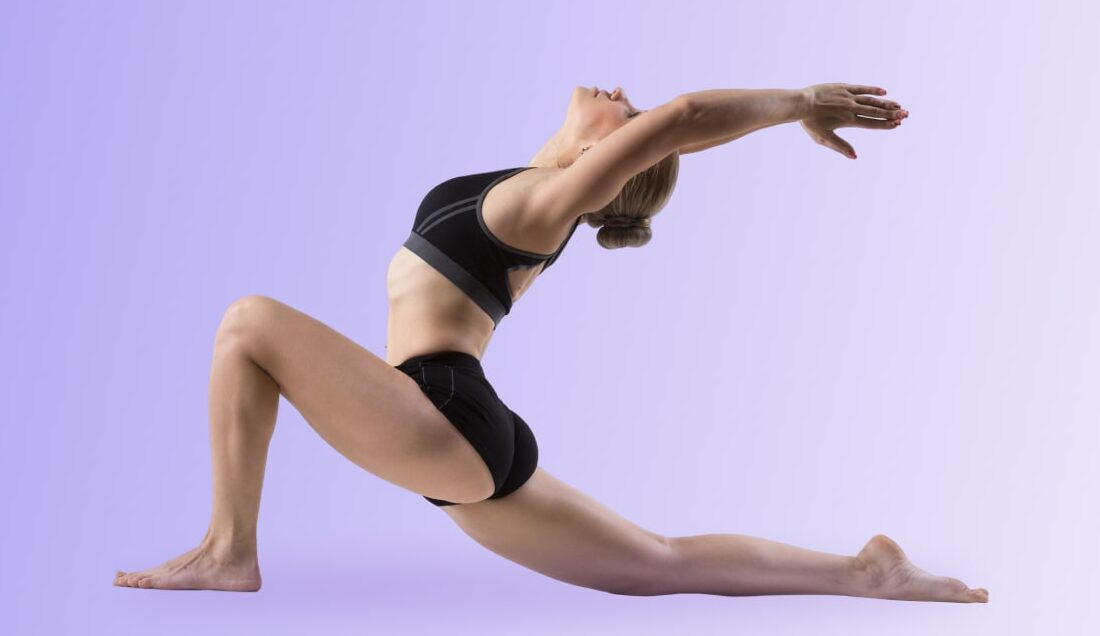
Introduction
Tight hips have become one of the most common movement issues in modern life. Whether you exercise regularly or spend most of your day sitting, restricted hips can quietly limit how you move, feel, and perform. The hips are a central hub of the body—when they lose mobility, other areas are forced to compensate, often leading to discomfort or injury. Understanding why hips get tight and how that tightness affects your body is the first step toward fixing it.
Why Tight Hips Are So Common Today
Modern lifestyles are a major contributor to tight hips. Prolonged sitting—at desks, in cars, or on couches—keeps the hips in a shortened position for hours at a time. Over time, muscles like the hip flexors adapt to this position and lose their ability to fully lengthen.
Training habits can also play a role. Repetitive movements, lack of warm-ups, and focusing only on strength without mobility work often lead to stiffness. Add daily stress, which increases muscle tension and reduces recovery, and it’s no surprise that tight hips are so widespread today.
How Hip Tightness Affects Posture, Pain, and Performance
When hips are tight, posture often suffers. Shortened hip flexors can pull the pelvis forward, contributing to excessive lower-back arching and poor alignment. This imbalance increases strain on the spine and surrounding muscles.
Pain is another common result. Tight hips are frequently linked to lower back pain, knee discomfort, and even hip joint irritation. In terms of performance, restricted hips limit stride length, squat depth, rotation, and power output—making everyday movements and workouts feel harder than they should.
Understanding Tight Hips
Hip tightness isn’t just about muscles feeling “stiff.” It usually involves a combination of muscle shortening, joint restriction, and poor neuromuscular control. The hips need both flexibility and strength across multiple directions—flexion, extension, rotation, and abduction. When one or more of these elements is lacking, movement becomes limited and inefficient.
Common Causes of Hip Tightness (Sitting, Training, Stress)
- Sitting too much: Keeps hip flexors constantly shortened and reduces joint movement.
- Imbalanced training: Overemphasis on certain muscles while neglecting mobility and stability.
- Lack of movement variety: Repeating the same motions without exploring full ranges of motion.
- Stress and tension: Chronic stress increases muscle tone, making relaxation and stretching harder.
These factors often work together, gradually reducing hip mobility over time.
Signs Your Hips Need More Mobility
You may need more hip mobility if you notice:
- Difficulty squatting deeply or lunging comfortably
- Lower back tightness after sitting or walking
- Knees collapsing inward during movement
- Limited rotation when turning or changing direction
- A general feeling of stiffness in the hips, especially in the morning
These signs indicate that your hips aren’t moving as freely or as strongly as they should.
Why Stretching the Hips Matters
Stretching the hips helps restore balance between strength and flexibility. By improving hip range of motion, you reduce unnecessary stress on nearby joints and allow your body to move more naturally. Regular hip stretching also improves circulation, reduces muscle tension, and supports better movement mechanics in daily life and training.
Benefits for Lower Back, Knees, and Daily Movement
Healthy hip mobility takes pressure off the lower back by allowing the hips to do their share of movement. This can significantly reduce back discomfort and stiffness.
For the knees, mobile hips improve alignment and control, lowering the risk of pain and injury. In daily life, better hip mobility makes walking, climbing stairs, bending, and lifting feel smoother and more effortless.
Flexibility vs. Mobility: What Your Hips Really Need
Flexibility is the ability of muscles to lengthen, while mobility includes flexibility plus strength and control through a range of motion. For lasting results, hips need more than passive stretching.
True hip health comes from combining stretches with active movements that teach your body how to use its new range. This approach not only improves flexibility but also helps you maintain it—making your hips stronger, more resilient, and less likely to tighten up again.
How to Stretch Your Hips Safely
Stretching your hips can be highly effective—but only when done correctly. Safe hip stretching focuses on controlled movement, proper alignment, and gradual progress. The goal isn’t to force flexibility but to encourage the hips to relax and move more freely over time. Breathing deeply, moving slowly, and respecting your current limits will help you improve mobility without increasing the risk of strain or injury.
When and How Often to Stretch
Hip stretching works best when done consistently. Light stretching can be performed daily, especially if you sit for long hours. Short sessions of 5–10 minutes are often more effective than long, infrequent routines.
Stretching after workouts or at the end of the day is ideal, as the muscles are already warm. You can also include gentle mobility drills in the morning to reduce stiffness and improve circulation. The key is regular practice rather than intensity.
Mistakes to Avoid While Stretching Tight Hips
One of the most common mistakes is pushing into pain. Stretching should create mild discomfort, not sharp or intense sensations. Ignoring pain signals can lead to muscle guarding and setbacks.
Another mistake is poor posture—allowing the lower back to arch excessively or the knees to collapse reduces the effectiveness of the stretch. Finally, relying only on passive stretches without strengthening the hips can lead to temporary gains that don’t last. Mobility improves fastest when flexibility is paired with control.
The 7 Best Stretches to Fix Tight Hips
Below are some of the most effective stretches for improving hip mobility. Move slowly, breathe deeply, and focus on quality rather than depth.
Hip Flexor Stretch (Kneeling Lunge)
This stretch targets the hip flexors, which often become tight from prolonged sitting. By gently lengthening the front of the hip, it helps restore proper pelvic alignment and reduce lower back strain.
Focus on keeping the torso upright and lightly squeezing the glutes to deepen the stretch without arching the lower back.
Figure-4 Stretch
The figure-4 stretch improves external hip rotation and releases tension in the glutes. It’s especially helpful for people who experience stiffness after walking, running, or sitting for long periods.
Maintain relaxed breathing and avoid forcing the knee downward—let gravity and time do the work.
90/90 Hip Stretch
This stretch is excellent for building both internal and external hip rotation. It addresses common mobility restrictions that limit squatting, lunging, and rotational movements.
By actively controlling the position, the 90/90 stretch improves not just flexibility but also joint awareness and stability.
Butterfly Stretch
The butterfly stretch targets the inner thighs and groin while gently opening the hips. It’s effective for improving hip range of motion and reducing stiffness in lateral movements.
Keep the spine tall and focus on hinging slightly forward from the hips rather than rounding the back.
Deep Squat Hold
The deep squat is a natural human position that restores full hip movement. Holding this position improves hip flexibility, ankle mobility, and overall movement control.
Use support if needed, and focus on even weight distribution and relaxed breathing.
Pigeon Pose (Modified if Needed)
Pigeon pose releases the deep hip rotators and glute muscles, making it particularly useful for those with limited external rotation.
Modifications—such as supporting the hips or using a reclined version—help reduce knee or lower back strain while still providing effective hip release.
How to Build a Daily Hip Mobility Routine
A daily hip mobility routine doesn’t need to be long or complicated to be effective. Consistency matters far more than duration. By choosing a few key movements and performing them with control, you can gradually restore hip flexibility, improve movement quality, and reduce stiffness from daily activities. The goal is to make hip mobility a habit—something that fits naturally into your day.
5–10 Minute Hip Stretch Sequence
A short sequence can deliver powerful results when done regularly. Begin with gentle movements to warm up the hips, then move into deeper stretches:
- Start with standing or quadruped hip circles to lubricate the joints
- Perform a hip flexor stretch to counteract prolonged sitting
- Add a 90/90 hip stretch to address rotation
- Finish with a deep squat hold or butterfly stretch to open the hips
Hold each stretch for 30–60 seconds while breathing slowly. Move smoothly between positions and avoid rushing. Even five focused minutes can significantly improve how your hips feel and move.
Best Time of Day for Hip Stretching
The best time to stretch your hips is the time you’ll do it consistently. That said, different times offer different benefits. Morning stretching helps reduce stiffness and prepare your body for the day. Post-workout stretching supports recovery and restores range of motion. Evening sessions can reduce tension from sitting and promote relaxation.
Many people benefit from light mobility in the morning and deeper stretches later in the day, but any consistent routine will produce results.
Progressing Your Hip Flexibility Over Time
Hip mobility improves gradually. Instead of chasing quick gains, focus on steady progress. Track improvements in comfort, depth, and control rather than how far you can push a stretch. As your hips become more mobile, movements should feel smoother and more stable—not just deeper.
Increasing Range Without Forcing It
Forcing a stretch often leads to muscle guarding and setbacks. Instead, use controlled breathing and gentle contractions to relax the muscles around the hips. Gradually increase range by spending more time in comfortable positions and exploring small movements within the stretch.
Progress happens when your body feels safe in a new range, not when it’s pushed there aggressively.
Adding Strength to Maintain Mobility
Flexibility without strength is temporary. To keep your new range of motion, include light strengthening exercises such as controlled lunges, glute bridges, and standing hip rotations. These movements teach your body to use and control the increased range, making your mobility gains last longer and reducing the risk of re-tightening.
Conclusion
Healthy hips are essential for pain-free movement, good posture, and long-term physical independence. While occasional long stretching sessions can feel helpful, they rarely create lasting change without consistency
Why Consistent Hip Stretching Beats Long Sessions
Short, daily mobility work reinforces healthy movement patterns and keeps stiffness from building up. Five to ten minutes a day is easier to maintain and far more effective than sporadic, intense stretching sessions.
Final Tips for Healthy, Pain-Free Hips
Stay consistent, move with control, and listen to your body. Combine stretching with strength, avoid forcing range, and prioritize regular movement throughout the day. With these habits in place, your hips can remain mobile, strong, and pain-free for years to come.